
Table of Contents
Ramayana Controversy 2026 teaser backlash, VFX criticism, Hrithik Roshan defends film, Bollywood industry divided, Ranbir Kapoor as Ram, Sai Pallavi casting, bad VFX vs wait for final film debate — complete breakdown.
एक Teaser जो Release होते ही India के दो हिस्से कर गया — एक तरफ VFX Critics, दूसरी तरफ Bollywood का पूरा Star System
जब India की सबसे Ambitious Film का पहला Glimpse Viral हुआ तो Praise और Backlash एक साथ आए — और Industry इससे बाहर नहीं रह सकी
कुछ films release होने से पहले ही एक cultural event बन जाती हैं। Ramayana उनमें से एक नहीं — वो उस category में अकेली है। यह केवल एक Bollywood film नहीं है — यह India की सबसे sacred story का सबसे expensive cinematic retelling है, जिसमें Ranbir Kapoor Ram के रूप में और Sai Pallavi Sita के रूप में हैं, जो Nitesh Tiwari direct कर रहे हैं, और जिसका budget reportedly ₹600 से ₹700 करोड़ के बीच है। जब इस film का teaser आया तो social media पर जो हुआ वो केवल एक film की discussion नहीं था — यह एक nation की उस collective anxiety का expression था जो अपनी सबसे पवित्र story को screen पर देखने से पहले ही judge करने के लिए तैयार बैठी थी। VFX को लेकर trolling शुरू हुई, फिर filmmakers ने indirect comments दिए, फिर Hrithik Roshan जैसे stars ने film को defend किया — और एक controversy ने जन्म लिया जो आज India का most debated cinematic topic है।
यह blog उन सभी के लिए है जो India में हों, या USA, UK, Canada, UAE, Singapore, Australia और दुनिया के हर उस कोने में हों जहाँ Hindu diaspora अपनी mythology को screen पर dignified और spectacular देखना चाहती है। Ramayana controversy को समझने के लिए उसे केवल एक film criticism की तरह नहीं बल्कि उस पूरे intersection की तरह देखना होगा जहाँ religion, cinema, social media virality, industry politics और national identity एक साथ मिलती हैं। यह blog वो सब करेगा।
इस blog में हम Ramayana project की पूरी backstory explore करेंगे, teaser में exactly क्या था जिसने backlash trigger किया, VFX criticism की technical validity, Bollywood industry का वो divide जो publicly सामने आया, Hrithik Roshan का वो intervention जिसने conversation को एक नई direction दी, Ranbir Kapoor और Sai Pallavi की casting पर audience reaction, Nitesh Tiwari का creative vision, और वो bigger question कि क्या India की audience अपनी mythology को screen पर judge करने के लिए कभी ready होगी — या यह expectation vs reality का एक eternal conflict है।
Ramayana 2026 — वो Project जो Years की Planning और Crores की Investment के बाद एक Teaser में Exposed हो गया
₹600 Crore Budget, Bollywood का Biggest Casting, और वो Ambition जो India को RRR से भी बड़ा Cinematic Moment देना चाहती थी
Ramayana project की कहानी कई सालों पुरानी है। Nitesh Tiwari — जिन्होंने Dangal दिया — ने जब यह announce किया कि वो Ramayana बना रहे हैं, तो पहली reaction excitement की थी। Dangal ने prove किया था कि Tiwari एक emotionally authentic director हैं जो real stories को epic scale पर tell कर सकते हैं। Ramayana उनके लिए logical next step था — India की सबसे universal story, largest possible audience, और एक cinematic canvas जिस पर सब कुछ possible था।
Casting announcements के साथ excitement और बढ़ी। Ranbir Kapoor as Ram — एक choice जो initially divisive थी क्योंकि Ranbir की screen persona में वो raw vulnerability है जो Ram की divine और flawless image से match नहीं करती, लेकिन जिन्होंने यह argument दिया उन्होंने Barfi, Sanjay Dutt biopic और Animal देखा था और समझते थे कि Ranbir transformation में believe करने वाले actor हैं। Sai Pallavi as Sita — यह casting universally celebrated थी। Sai Pallavi की natural grace, South Indian cinema में उनकी proven versatility और उनकी screen presence जो genuinely spiritual feel होती है — यह combination Sita के लिए almost tailor-made लगा। Yash as Ravana — एक choice जो KGF की उनकी brutal intensity को देखते हुए both exciting और slightly typecast लगी।
Budget ₹600 से ₹700 करोड़ — जो Bollywood की अब तक की most expensive film बनाती है। Part 1 और Part 2 में divided, international release planned, multiple languages में simultaneous release — यह सब मिलाकर एक ambition था जो Baahubali को challenge करने की बात कर रहा था। और फिर teaser आया।
वो Teaser जिसने Sab Kuch Badal Diya — Exactly क्या था जिसने India को Divide किया
Visual Effects से लेकर Color Grading तक — वो Technical Complaints जो Social Media पर Viral हुईं
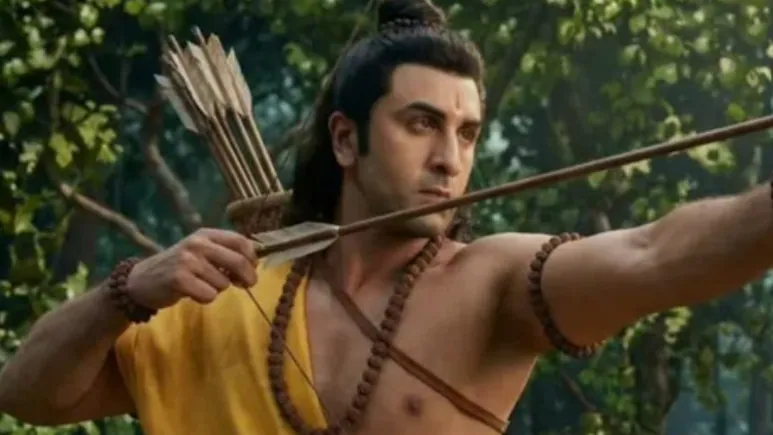
Teaser release हुआ और पहले कुछ घंटों में जो reaction आई वो mixed थी। एक fraction ने Ranbir की Ram के रूप में presence को genuinely compelling पाया, Sai Pallavi का एक brief moment था जो hauntingly beautiful था, और overall scale impressive थी। लेकिन जो viral हुआ वो यह नहीं था।
VFX criticism तेज थी और specific थी। कुछ scenes में background CGI उस level पर नहीं दिखी जो एक ₹600 करोड़ film से expect होती है। “Plastic look” — यह phrase Twitter और Instagram पर trending हो गया। KGF 2 और RRR के VFX के screenshots के साथ comparisons किए गए। कुछ critics ने यह argue किया कि Ram की costumes और makeup unnaturally bright और “theatrical” लगे — जो screen पर real feel की बजाय stage performance feel करा रहे थे।
Color grading पर भी specific criticism थी — कि एक mythological epic के लिए जो visual texture चुनी गई वो या तो too saturated या too CG-heavy थी। Aragorn की Lord of the Rings जैसी earthiness नहीं थी, Baahubali की handcrafted grandeur नहीं थी — बल्कि एक certain “video game cutscene” quality थी जो immersion को break करती थी। यह criticism technical थी और partially valid भी थी — क्योंकि VFX का एक teaser में incomplete होना expected है, लेकिन जो glimpses दिखे वो उस standard पर नहीं थे जिसकी audience को expectation थी।
लेकिन criticism यहीं नहीं रुकी। Religious sentiments भी involved हो गए। कुछ लोगों का कहना था कि Ram का portrayal “dignified enough” नहीं था, कि Sita का एक particular angle “disrespectful” था — यह criticism technical से personal और religious हो गई जिसने controversy को एक entirely different dimension दे दिया।
Industry का वो Public Divide जो Usually Private रहता है
जब Filmmakers ने Indirect Comments दिए और Stars ने Direct Defense किया — Bollywood एक साथ Divided और United भी दिखा
Bollywood industry publicly divided होना rare है — यह एक ऐसा club है जो अपने disagreements को usually private रखता है। लेकिन Ramayana controversy इतनी massive थी कि इसे ignore करना possible नहीं था।
एक senior Bollywood filmmaker — जिनका नाम directly नहीं लिया गया लेकिन industry में सबको पता था context — ने एक interview में यह comment किया कि “India में mythological films बनाना technically सबसे challenging है क्योंकि audience का एक pre-existing visual reference है जो generations की imagination से बना है — और उसे beat करना almost impossible है।” यह indirect था लेकिन timing ने इसे Ramayana teaser के context में place कर दिया।
दूसरे filmmaker ने यह कहा कि “VFX तब impressive लगता है जब वो story की service में हो, न कि story VFX की service में।” यह भी indirect था लेकिन industry insiders ने इसे Ramayana के reference में read किया। यह comments एक pattern बना रहे थे जो Nitesh Tiwari और उनकी team के लिए comfortable नहीं था।
दूसरी तरफ, कई stars ने openly defend किया। Ayan Mukerji ने कहा कि एक film का teaser उसकी final visual quality का accurate representation नहीं होता — post-production का large chunk release तक continue होता है। Karan Johar ने social media पर Ramayana को support किया। और फिर Hrithik Roshan ने step in किया।
Hrithik Roshan का वो Intervention — जब Bollywood के सबसे Respected Action Star ने Speak Up किया
Hrithik ने जो कहा वो एक Film की Defense नहीं थी — यह Indian Cinema की एक Bigger Battle की बात थी
Hrithik Roshan का Ramayana से कोई direct connection नहीं है — वो इस film में नहीं हैं। लेकिन उन्होंने publicly इसके बारे में speak किया और यह एक meaningful gesture थी। Hrithik ने यह point उठाया कि Indian film industry अभी VFX capabilities build कर रही है और यह process years की investment और iteration से होती है — एक teaser के based पर किसी film को dismiss करना unfair है और ultimately Indian cinema के लिए harmful है।
Hrithik का यह कहना था कि जब international films के early test screenings में VFX incomplete होते हैं तो वो press में नहीं जाता — लेकिन Indian films के साथ ऐसा नहीं होता। वो audience जो Marvel और DC films के behind-the-scenes देखती है और जानती है कि final film में VFX कितनी polish हो जाती है — वही audience Indian mythological film के teaser को उसी standard पर judge करने लगती है जो final Hollywood blockbuster का है। यह double standard Hrithik ने point out किया।
यह intervention इसलिए meaningful था क्योंकि Hrithik का खुद एक visually spectacular film — Krrish franchise — बनाने का experience है। वो जानते हैं कि Indian VFX industry के constraints क्या हैं, timelines कैसी होती हैं, और एक teaser में क्या intentionally incomplete छोड़ा जाता है। उनकी voice को industry और audience दोनों ने seriously लिया।
“Bad VFX” Debate vs “Wait for Final Film” Narrative — दोनों Arguments की Full Anatomy
कौन सही है? — एक Honest और Nuanced Analysis जो Neither Side को Blindly Support करती है
VFX criticism side का argument: एक ₹600 करोड़ की film जो Pan-India और international release के साथ आ रही है, जो Baahubali की legacy को carry करने का ambition रखती है, उसका teaser उस visual standard पर होना चाहिए जो उस investment को justify करे। RRR के teaser में जो detail थी, जो texture थी, जो “this is real” feel थी — वो Ramayana के teaser में कमी थी। यह criticism valid है। Indian audience अब globally exposed है, वो latest VFX standards जानती है, और उनकी bar genuinely higher है।
“Wait for Final Film” narrative का argument: Film के VFX पूरे नहीं हुए थे जब teaser release किया गया — यह Bollywood में standard practice है। Brahmastra का teaser भी criticize हुआ था VFX के लिए और final film में कई scenes genuinely impressive थे। Avengers के early trailers में deliberate VFX downgrades होती हैं। एक mythological film की visual language stage theater से inspired होती है जो hyperrealistic नहीं होती — और वो choice valid हो सकती है।
Honest verdict: दोनों sides में merit है। VFX criticism technically valid थी लेकिन premature थी। “Wait” narrative genuine है लेकिन यह accountability को avoid करने का तरीका भी बन जाता है। जो clearly problematic था वो यह था कि criticism जब religious dimension में गई — कि Ram का portrayal “disrespectful” था — तब वो एक legitimate cinematic debate से एक dangerous territory में move हो गई जहाँ कोई भी creative choice safe नहीं रहती।
Ranbir Kapoor as Ram — वो Casting जो आज भी Debate का Centre है
जब एक Actor की Personal Life को उसके Mythological Role से Judge किया जाए — यह Cinema नहीं, Witch Hunt है
Ranbir Kapoor की casting as Ram से backlash का एक और dimension था जो purely cinematic नहीं था। कुछ लोगों ने यह argue किया कि Ranbir की “personal life” — उनके past relationships, उनके public image के कुछ aspects — उन्हें Ram जैसे divine character के लिए “unfit” बनाती है। यह argument absurd है और यह important है कि इसे clearly call out किया जाए।
Acting एक craft है जिसमें personal life और screen character के बीच कोई logical connection नहीं होता। Amitabh Bachchan ने Sholay में villain के against जो hero play किया वो उनकी personal values का reflection नहीं था — वो acting था। Ranbir Kapoor का काम यह है कि वो Ram की essence को screen पर truthfully translate करें — और उनका track record यह suggest करता है कि वो genuinely capable हैं। Barfi में उनकी innocence, Rockstar में उनकी raw intensity, Brahmastra में उनकी cosmic presence — यह सब indicate करती है कि Ram की complexity उनके range में है।
Nitesh Tiwari ने Ranbir को choose करने के पीछे शायद यही vision होगी — एक Ram जो impeccably divine नहीं बल्कि humanly struggling है, जो अपनी divinity को एक journey में discover करता है। यह interpretation Valmiki की Ramayana में भी exist करती है — Ram एक perfect God नहीं, एक perfect human हैं जो extraordinary circumstances में divine choices करते हैं।
Social Media और Mythology — एक Dangerous और Inevitable Mix
जब 1.4 Billion लोगों की सबसे Personal Story को Screen पर Translate किया जाए तो हर Viewer एक Critic बन जाता है
Ramayana controversy का एक deeper sociological dimension है। Ramayana भारतीयों के लिए केवल एक story नहीं है — यह उनकी cultural DNA में है। हर region की अपनी Ramayana version है — Valmiki Ramayana, Tulsidas की Ramcharitmanas, South Indian versions, tribal versions — सबमें Ram, Sita, Ravana थोड़े different हैं। जब Nitesh Tiwari एक specific cinematic version बनाते हैं तो वो simultaneously 1.4 billion लोगों के उतने ही versions के साथ compete करते हैं जो उनके दिल और minds में exist करते हैं।
Doordarshan पर Ramanand Sagar की Ramayana ने एक generation की visual reference set कर दी — वो Ram जो Arun Govil थे, वो Sita जो Dipika Chikhlia थीं। उस generation के लिए Ranbir Kapoor और Sai Pallavi automatically एक replacement नहीं बल्कि एक challenge हैं। यह emotional resistance को rational criticism की भाषा में express किया जाता है — और यही reason है कि VFX criticism इतनी intense थी।
Social media ने इस dynamic को और amplify किया। Reels, Twitter threads, YouTube reaction videos — हर platform ने backlash को एक echo chamber effect दिया जहाँ negative opinions louder हो गईं। यह modern virality का वो dark side है जिसमें nuanced appreciation की जगह nहीं होती।
Nitesh Tiwari का Vision — वो Director जिसने Dangal से Prove किया कि वो Epic Emotional Stories Tell कर सकते हैं
Bollywood के सबसे Emotionally Honest Director की Ramayana — क्यों यह Combination Actually Hopeful है
Nitesh Tiwari को judge करने का सबसे fair तरीका उनकी filmography है। Chillar Party — एक heartwarming children’s film। Bhoothnath Returns — a surprisingly effective political comedy। और Dangal — जो India की highest-grossing film बनी, जिसने international markets में India की story को genuinely translate किया, जिसमें Aamir Khan की transformation को उन्होंने direct किया बिना melodrama के।
Dangal में Tiwari का जो approach था वो यह था कि extraordinary story को ordinary human emotions से ground किया जाए। Geeta और Babita की जीत केवल wrestling victory नहीं थी — वो एक father-daughter relationship की healing थी, एक patriarchal society में individual ambition की victory थी। यही approach अगर Ramayana में apply होती है तो राम-सीता की story को उसकी human depth में show किया जाएगा — न कि केवल divine spectacle।
यह approach controversial भी है। जो audience Ram को एक flawless divine figure की तरह देखना चाहती है वो potentially uncomfortable होगी अगर Tiwari Ram को एक human की तरह treat करें जो divine path choose करता है। लेकिन यही वो storytelling risk है जो great films लेती हैं — और Dangal ने prove किया कि Tiwari वो risk लेने की capability रखते हैं।
RRR और Baahubali का Shadow — वो Standard जिसे Beat करना Ramayana का Unspoken Target है
जब South Indian Cinema ने Mythology को इतने Confidently Handle किया तो Bollywood पर Pressure Naturally ज्यादा है
RRR और Baahubali के बाद Indian audience की visual expectation permanently raise हो गई है। SS Rajamouli ने यह prove किया कि Indian cinema genuinely world-class spectacle deliver कर सकती है — और उस proof ने Bollywood पर एक implicit pressure create किया। जब Ramayana का teaser आया तो audience के minds में automatically एक comparison हुआ — और वो comparison unfavorable था।
लेकिन यहाँ एक important distinction है। Baahubali एक fictional universe था जिसमें Rajamouli की complete creative freedom थी। Ramayana एक sacred text है जिसमें हर detail को billion लोगों की expectations meet करनी हैं। यह constraint actually harder है। Rajamouli के पास freedom थी कि Mahishmati empire कैसा दिखे — Tiwari के पास वो freedom नहीं है क्योंकि हर viewer की अपनी Ayodhya है, अपना Lanka है, अपने Ram हैं।
यह context Ramayana की challenge को genuinely difficult बनाता है — और shायद इसीलिए Bollywood ने decades तक इस project को attempt नहीं किया था। Tiwari का यह attempt already brave है — और brave attempts occasionally imperfect होते हैं।
Backlash का Bigger Picture — क्या यह Indian Cinema के लिए Healthy है या Harmful?
Constructive Criticism vs Mob Mentality — वो Line जो Social Media हमेशा Blur करता है
Ramayana controversy के context में यह सवाल important है — क्या यह backlash Indian cinema के लिए ultimately healthy है? एक argument यह है कि audience की high expectations filmmakers को अपना best deliver करने के लिए push करती हैं। अगर audience ने VFX criticism नहीं की होती तो क्या production team ने उसे seriously लिया होता?
दूसरा argument यह है कि जब criticism mob mentality में convert हो जाती है — जब reasonable technical feedback के साथ personal attacks, religious outrage और online bullying mix हो जाती है — तब वो creative environment को poison करती है। Filmmakers को genuine artistic risks लेने से डर लगने लगता है। यह ultimately mediocre, safe, offend-nobody cinema को encourage करता है।
जो ideal होगा वो यह है — technical VFX criticism valid है और filmmakers को उसे seriously लेना चाहिए। Casting choices पर debate healthy है। लेकिन personal attacks, religious ultimatums और mob-driven outrage वो territory है जहाँ Indian social media को evolve करना होगा। Ramayana जैसी film — जो India की most ambitious cinematic project है — deserve करती है कि उसे उस maturity के साथ receive किया जाए जिसके साथ वो बनाई जा रही है।
Ramayana Film 2026 — वो Important Details जो हर Curious Fan को जाननी चाहिए
Cast, Budget, Release, और वो Everything जो Officially Confirmed है
Ramayana film Nitesh Tiwari द्वारा directed है और Namit Malhotra और Madhu Mantena produce कर रहे हैं। Ranbir Kapoor Ram के role में हैं, Sai Pallavi Sita के role में हैं, और Yash Ravana के role में हैं। Film दो parts में release होगी जिसमें Part 1 Diwali 2026 पर और Part 2 Diwali 2027 पर release होने की planning है। Budget ₹600 से ₹700 करोड़ के बीच है जो Bollywood की most expensive film है।
Film simultaneously Hindi, Tamil, Telugu, Kannada और Malayalam में release होगी — truly Pan-India। VFX का काम primarily Mumbai और international studios में हो रहा है और team ने confirm किया है कि teaser में जो visuals थे वो final cut के 40% से भी कम completed थे — यानी audiences जो judge कर रहे थे वो essentially एक unfinished product था।
FAQ — Ramayana Controversy 2026 के बारे में सबसे ज्यादा Search होने वाले सवाल
Ramayana 2026 Film की Release Date क्या है?
Ramayana Part 1 की planned release Diwali 2026 है और Part 2 Diwali 2027 पर आने की planning है। यह simultaneously Hindi, Tamil, Telugu, Kannada और Malayalam में release होगी।
Ramayana Film में Ram का Role कौन Play कर रहा है?
Ranbir Kapoor Ramayana film में Ram का role play कर रहे हैं। Sai Pallavi Sita के role में हैं और Yash Ravana के role में हैं। Film Nitesh Tiwari direct कर रहे हैं।
Ramayana Teaser को Backlash क्यों मिला?
Ramayana teaser को primarily VFX quality को लेकर backlash मिली। कुछ scenes में CGI background incomplete या “plastic” लगे। इसके साथ कुछ लोगों ने Ranbir Kapoor की casting पर भी objection किया। Production team ने clarify किया कि teaser में visuals final cut का 40% से कम था।
Hrithik Roshan ने Ramayana Controversy में क्या कहा?
Hrithik Roshan ने publicly Ramayana film को defend किया और यह point उठाया कि Indian audience को international films के teaser और Indian films के teaser को same standard पर judge नहीं करना चाहिए। उन्होंने कहा कि VFX post-production तक continue होती है और एक teaser से film की final visual quality judge नहीं होती।
Ramayana Film का Budget कितना है?
Ramayana film का budget ₹600 से ₹700 करोड़ के बीच है जो इसे Bollywood की अब तक की most expensive film बनाता है। यह दो parts में बनेगी और internationally भी release होगी।
क्या Ramayana Film Successful होगी?
Ramayana film की potential enormous है — India की most beloved mythology, massive star cast, proven director, Pan-India release और international audience। अगर final VFX final cut तक significantly improved हो — जैसा production team claim कर रही है — और Nitesh Tiwari का Dangal जैसा emotional storytelling approach work करे, तो यह Bollywood की biggest ever film हो सकती है।

Written & curated by Ansarul Haque