
Table of Contents
Discover Nagoya in 2026: A Travel Guide to Culture, Cuisine & the Asian Games Buzz
Nagoya rarely tops the lists of must-visit Japanese cities for travelers arriving from the United States, the United Kingdom, or Germany. Unlike Tokyo’s frenetic energy or Kyoto’s temple-lined streets, this industrial powerhouse in central Japan presents a more grounded, lived-in Japan—one where centuries-old samurai heritage coexists with the global headquarters of Toyota and a manufacturing legacy that helped rebuild the nation after World War II. From 19 September to 4 October 2026, Nagoya and surrounding Aichi Prefecture will host the 20th Asian Games, bringing approximately 15,000 athletes from 45 nations to 53 venues across the region. For sports enthusiasts, culture seekers, and families seeking an alternative to the usual Japan itinerary, this event offers a compelling reason to discover a city that feels refreshingly unpolished compared to more polished tourist hubs.
The Games mark Japan’s third time hosting the Asian Games after Tokyo in 1958 and Hiroshima in 1994. Opening and closing ceremonies will take place at the newly renovated Paloma Mizuho Stadium (also known as Nagoya City Mizuho Park Athletic Stadium), with capacity expanded to around 35,000. Events span athletics, swimming, basketball, and more, with some disciplines—such as swimming and equestrian—held in Tokyo facilities for logistical reasons. Many venues, including Nagoya’s historic sites, will operate with heightened security and temporary infrastructure, creating a unique atmosphere for visitors who wish to combine spectator experiences with sightseeing.
This guide addresses the practical needs of international travelers from Europe and North America. It examines why Nagoya merits attention beyond the Games, provides detailed explorations of major attractions such as Nagoya Castle and Ghibli Park, suggests secondary experiences, recommends local dining with a focus on signature miso katsu, and delivers straightforward advice on transportation, accommodations, and budgeting. Readers will find honest assessments of the city’s strengths and limitations, including its industrial character that may feel less romantic than European cathedral towns or American coastal cities, yet delivers genuine cultural depth and efficient modern infrastructure.


Why Nagoya Matters
Nagoya’s strategic location has shaped its identity for centuries. Situated roughly midway between Tokyo and Kyoto on the historic Tokaido route, the city served as a vital post station during the Edo period. Tokugawa Ieyasu ordered construction of Nagoya Castle in 1610 to secure the region after his victory at Sekigahara, establishing the Owari branch of the Tokugawa family. The castle’s golden shachihoko roof ornaments remain one of Japan’s most recognizable symbols, representing guardianship and prosperity.
In the modern era, Nagoya evolved into Japan’s manufacturing heartland. The region’s textile industry laid the foundation for Toyota’s rise, transitioning from automatic looms under Sakichi Toyoda to automobiles under his son Kiichiro. Today, Aichi Prefecture produces more automobiles than any other prefecture in Japan, and the economic ripple effects extend to aerospace, robotics, and precision machinery. For visitors from Detroit or Manchester, the parallels to industrial powerhouses are striking—yet Nagoya integrates heavy industry with meticulous urban planning and green spaces in ways that many Western cities still strive to achieve.
Geographically, Nagoya sits on the Nobi Plain with easy access to the Japan Alps to the north and the Ise Bay to the south. Chubu Centrair International Airport, located on an artificial island 30 minutes from the city center, provides direct connections from major European and American hubs via Tokyo or Seoul. This positioning makes the city an efficient base for the Asian Games, with most venues reachable within 45 minutes of central hotels. The region’s temperate climate during late September and early October—daytime highs around 22–25°C and cooler evenings—offers comfortable conditions for outdoor events, though occasional typhoon remnants can bring rain, requiring flexible planning similar to autumn weather in the American Midwest or northern Europe.
The city also carries complex historical layers. Like many Japanese urban centers, Nagoya endured devastating air raids in 1945 that destroyed much of its historic core, including large sections of the castle. Reconstruction efforts reflect resilience, but they also prompt reflection on wartime legacies. Contemporary Nagoya addresses these histories thoughtfully through museums and preserved sites, encouraging visitors to engage with Japan’s full narrative rather than a sanitized version.
Main Attraction Deep-Dives
Nagoya Castle: The Enduring Symbol of Regional Power
Few structures capture Nagoya’s layered history as effectively as Nagoya Castle. Originally completed in 1612 under Tokugawa Ieyasu’s orders, the fortress served as the seat of the Owari Tokugawa clan for over 250 years. The main keep, reconstructed in reinforced concrete in 1959 after wartime destruction, houses exhibits detailing the castle’s construction and the Owari domain’s governance. In 2018, the Honmaru Palace reopened after meticulous reconstruction using traditional techniques, allowing visitors to admire intricate screen paintings and architectural details that rival those in Kyoto’s imperial villas.
Practical visiting information includes a 500 yen entry fee for adults, with the site open daily from 9:00 a.m. to 4:30 p.m. (last admission 4:00 p.m.). The castle grounds feature extensive gardens ideal for autumn strolls, and English signage plus free audio guides accommodate international guests. Compared to European castles like Windsor or Versailles, Nagoya Castle feels more compact yet equally imposing in its defensive design, with massive stone walls built by feudal lords from across Japan. Cultural significance extends beyond architecture: the site hosted important political events and now serves as a venue for seasonal festivals. During the Games period, expect crowds and possible temporary closures for security; arrive early or visit on weekdays.
For deeper context, guided tours by the Aichi Goodwill Guides Network provide free English-language insights into the castle’s role in Japanese unification. Families with children will appreciate the open spaces where kids can run without the strict rules sometimes found at more crowded Tokyo sites.
Ghibli Park: Immersive Animation in a Natural Setting
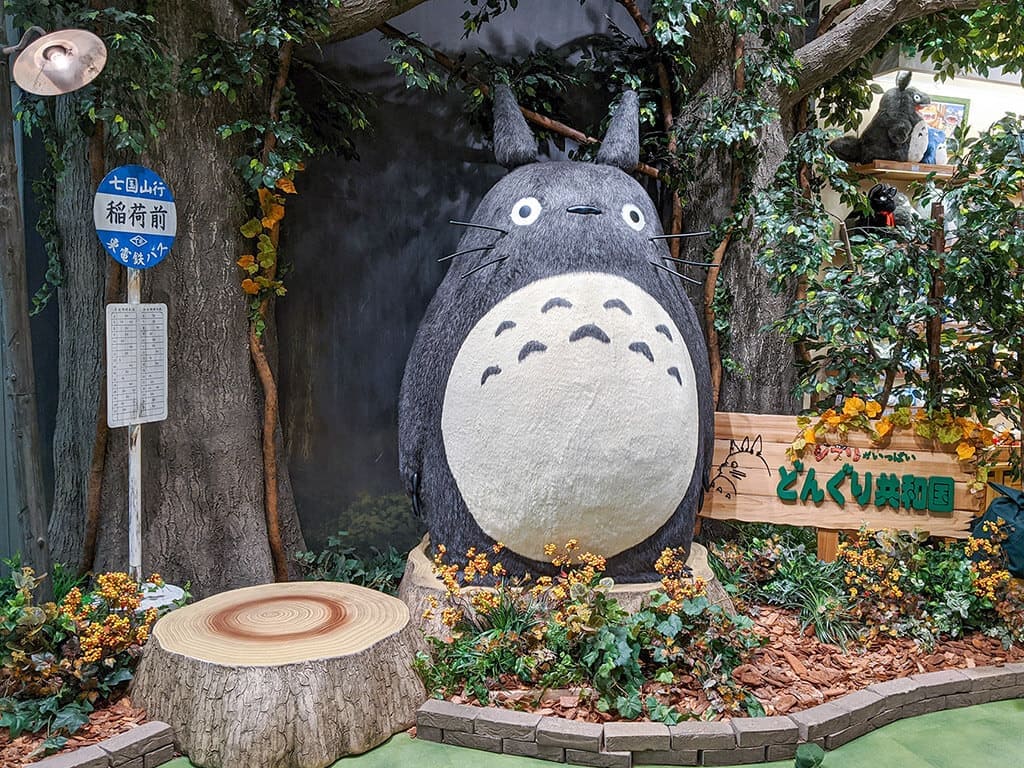
Located in Nagakute, about 35 minutes from central Nagoya via the Linimo maglev train and Expo 2005 Aichi Commemorative Park, Ghibli Park opened in 2022 as a tribute to Studio Ghibli’s beloved films. Unlike traditional theme parks with roller coasters, this attraction emphasizes walking trails, recreated scenes from “My Neighbor Totoro,” “Spirited Away,” and “Howl’s Moving Castle,” and interactive exhibits that reward attentive exploration.
Tickets require advance reservation—typically two months ahead—and sell out quickly. International buyers can purchase through Klook or the official English site, with prices ranging from 3,900 to 7,800 yen for adults depending on the pass (one-area or multi-area). The Premium O-Sanpo Pass grants access to all five zones: Ghibli’s Grand Warehouse, Hill of Youth, Dondoko Forest, Mononoke Village, and Valley of Witches. Visitors should allocate at least four to six hours and wear comfortable shoes for the hilly terrain.
From a European or American perspective, Ghibli Park offers a gentler alternative to Disney parks, prioritizing atmosphere over thrill rides. The park’s deliberate limit on daily visitors prevents overcrowding, creating a serene experience reminiscent of English countryside estates or Pacific Northwest forest trails. During the Asian Games, expect higher demand; combine a morning visit with afternoon events at nearby venues.
Asian Games Venues and Spectator Experiences
The centerpiece remains Paloma Mizuho Stadium, recently upgraded with modern seating and accessibility features. Other key sites include Nagoya Dome (Vantelin Dome Nagoya) for potential indoor sports, Aichi Sky Expo for breaking and esports, and various municipal gymnasiums across Aichi. Official schedules released in early 2026 detail exact timings, but athletics and ceremonies will dominate central Nagoya venues.
Tickets for the Games will be available through the official Aichi-Nagoya 2026 site, with prices varying by session and category. International fans should note that English-language support and multilingual signage will be enhanced, though less comprehensive than at the Tokyo 2020 Olympics. Transportation between venues relies on subway lines and special shuttle buses; purchasing a one-day subway pass (around 740 yen) simplifies movement.
Compared to major American sports arenas or European football stadiums, Japanese venues prioritize efficiency and cleanliness, with excellent public transport integration that reduces reliance on cars—a practical advantage for visitors accustomed to traffic-heavy events in the U.S. or UK.

Secondary Attractions and Experiences
Beyond the flagship sites, Nagoya rewards exploration of its neighborhoods. Osu Kannon district blends Buddhist temples with vibrant shopping arcades filled with anime goods and retro electronics, offering a relaxed alternative to Tokyo’s Akihabara. A short subway ride leads to the Toyota Commemorative Museum of Industry and Technology, where visitors trace the evolution from looms to automobiles—particularly insightful for those familiar with Henry Ford’s legacy in the United States or the industrial museums of Manchester.
Day trips prove straightforward. The historic town of Inuyama, 30 minutes north by train, features Japan’s oldest surviving castle keep and riverside views reminiscent of Rhine Valley towns. Hikers can reach trails in the nearby mountains within an hour, providing a natural contrast to urban venues.
Sakae district serves as Nagoya’s downtown core, with department stores, underground malls, and observation decks offering panoramic views. During Games season, temporary fan zones and cultural performances will likely appear here, creating lively evening atmospheres without the overwhelming scale of larger metropolises.
Food and Dining
Nagoya’s cuisine reflects its working-class roots and robust flavors. Miso katsu—crispy pork cutlet smothered in thick, sweet-savory Hatcho miso sauce—stands as the city’s most distinctive dish. The sauce, fermented from soybeans in nearby Okazaki, delivers an umami depth absent in standard tonkatsu found elsewhere in Japan. Yabaton remains the benchmark restaurant, with multiple branches including the flagship in Osu and one near Nagoya Station. Expect generous portions priced between 1,500 and 2,500 yen, served alongside rice, miso soup, and shredded cabbage. For budget options, chain outlets deliver consistent quality, while upscale versions appear in hotel restaurants.
Other local specialties include hitsumabushi (grilled eel over rice served three ways), kishimen (flat udon noodles), and tebasaki (spicy chicken wings). These dishes cost less than comparable meals in Tokyo or Osaka, making Nagoya appealing for travelers mindful of exchange rates. European and American palates accustomed to hearty pub food or Midwest comfort classics will find familiar satisfaction in the richness, though the sweetness of miso sauce may surprise at first.
Restaurant recommendations span price points: budget travelers can enjoy miso katsu sets under 1,200 yen at casual spots, mid-range diners will appreciate Yabaton’s atmosphere, and those seeking refinement can try contemporary interpretations at Sakae establishments. Vegetarian adaptations exist but remain limited; advance inquiry helps. During the Games, many venues will offer special bento boxes, providing convenient, affordable sustenance between events.
Practical Information
Getting There and Transportation
Chubu Centrair International Airport connects directly to Nagoya Station via the Meitetsu μ-Sky Limited Express in 28 minutes (1,230 yen). From Tokyo, the Tokaido Shinkansen takes approximately 100 minutes (around 11,000 yen). Within the city, six subway lines and extensive bus networks cover most attractions efficiently. An IC card such as Manaca or Suica simplifies payments across transport modes.
Taxis and ride-sharing services operate reliably but prove more expensive than in many U.S. cities. For Games attendees, organizers will provide additional shuttles; downloading the official app will be essential for real-time updates.
Climate and Best Times
September and October bring mild temperatures averaging 18–24°C, with lower humidity than summer months. Rainfall remains possible, similar to autumn in the Pacific Northwest or parts of Germany. Pack layers, comfortable walking shoes, and a light rain jacket. The period aligns perfectly with early autumn foliage in surrounding areas.
Accommodation Recommendations and Pricing
Central options near Nagoya Station or Sakae offer convenience. Nagoya Marriott Associa Hotel and JR Gate Tower Hotel provide modern comfort with direct station access, priced from 15,000 to 25,000 yen per night during peak Games season. For proximity to Nagoya Dome and potential venues, consider Hotel Route Inn Nagoya Imaike Ekimae or Nagoya Tokyu Hotel (around 10,000–18,000 yen). Budget travelers will find reliable business hotels and capsule options from 6,000 yen. Book early, as demand will surge; platforms like Booking.com or direct hotel sites often yield better rates than aggregators during major events.
Budget Planning
A realistic daily budget for a mid-range traveler from Europe or the U.S. totals 15,000–25,000 yen (approximately 90–150 euros or 100–170 USD), covering accommodation (10,000 yen), meals (3,000–5,000 yen), local transport (1,000 yen), and attractions or Games tickets (2,000–5,000 yen). Families or those attending multiple events should allocate higher for tickets. Compared to Tokyo or European capitals, Nagoya delivers better value, though Games-period surcharges may narrow the gap. Track expenses with apps, and consider the Nagoya Subway Pass for savings.
FAQ
How do I obtain Ghibli Park tickets during the Asian Games period? Reservations open two months in advance on the official site or through Klook for international visitors. Demand will be high; set calendar reminders and consider weekday mornings to avoid crowds.
Is Nagoya safe for solo travelers from Europe or the US? Japan maintains exceptionally low crime rates. Standard precautions apply, particularly around crowded venues during the Games. English support at major sites and police boxes is improving.
What transportation is needed to reach Games venues from central hotels? Subway lines connect most sites efficiently. Official shuttles will supplement services; download the Aichi-Nagoya 2026 app for schedules.
How does Nagoya’s weather in September-October compare to European autumns? Milder than northern Europe with less rain than UK Octobers, though typhoon risks exist. Expect pleasant daytime conditions suitable for outdoor activities.
Are there concerns about altitude or other health issues? Nagoya sits at low elevation with no significant altitude challenges. Standard travel insurance covering sports events is advisable.
Is renting a car recommended? Public transport suffices for most visitors. Driving involves international permits, left-side traffic, and parking difficulties during the Games—best avoided unless planning extensive countryside trips.
How does Nagoya compare to other Japanese cities for culture seekers? Less crowded than Kyoto yet richer in industrial heritage than smaller towns. It suits those preferring authentic experiences over polished tourism.
What budget should beer enthusiasts or hikers plan? Local craft beer scenes are growing, with affordable options around 600–800 yen per pint. Hikers can access trails cheaply via train; allocate 2,000–4,000 yen daily for transport and entry.
How long should I stay in Nagoya for the Games and sightseeing? Four to seven days allows time for events, major attractions, and day trips. Shorter stays work if focused solely on sports.
Will language barriers pose significant issues? English signage and translation apps handle most situations. Staff at tourist sites and hotels increasingly speak basic English, though patience helps in smaller venues.
Discovering Nagoya’s Lasting Appeal
Nagoya during the 20th Asian Games presents a rare opportunity to experience a Japanese city on its own terms—efficient, industrious, and quietly proud of its contributions to modern Japan. While it lacks the postcard-perfect aesthetics of more famous destinations and may initially feel more functional than enchanting to visitors accustomed to Europe’s grand squares or America’s vibrant downtowns, the city rewards those willing to engage with its history, cuisine, and contemporary vitality.
Responsible tourism here means supporting local businesses, respecting venue protocols, and approaching cultural sites with awareness of their complex pasts. The Games will showcase athletic excellence, yet Nagoya’s deeper value lies in its everyday authenticity: a place where families picnic near historic castles, office workers queue for miso katsu, and Studio Ghibli’s whimsical worlds sit minutes from high-tech factories.
Not everyone will fall in love with Nagoya. Those seeking constant stimulation or Instagram-ready scenery may find it understated. But for travelers who appreciate honest encounters with Japan’s working heartland, efficient urban living, and the satisfaction of discovering underappreciated gems, this 2026 season offers an enriching chapter. Plan thoughtfully, remain flexible with weather and schedules, and allow time to wander beyond the venues. In doing so, visitors will likely depart with a nuanced appreciation for a city that quietly powers much of what the world associates with Japanese precision and resilience.
Discover. Learn. Travel Better.
Explore trusted insights and travel smart with expert guides and curated recommendations for your next journey.