
Table of Contents
एक ऐसा इंसान जिसने 9 साल की उम्र में पिता खोया, 23 साल की उम्र में Hinduism छोड़ Islam Adopt किया, और 43 साल की उम्र में Oscar Speech में कहा — “Ella Pugazhum Iraivanukke” — सब कुछ भगवान का है
AR Rahman biography, music journey, Oscar win, Grammy awards, Slumdog Millionaire, best compositions, net worth 2026, Roja to global icon — the complete story of India's most legendary music composer.
Roja के उस 1992 के Background Score से Academy Awards के Los Angeles Stage तक — यह Journey केवल एक Musician की नहीं, एक Soul की है
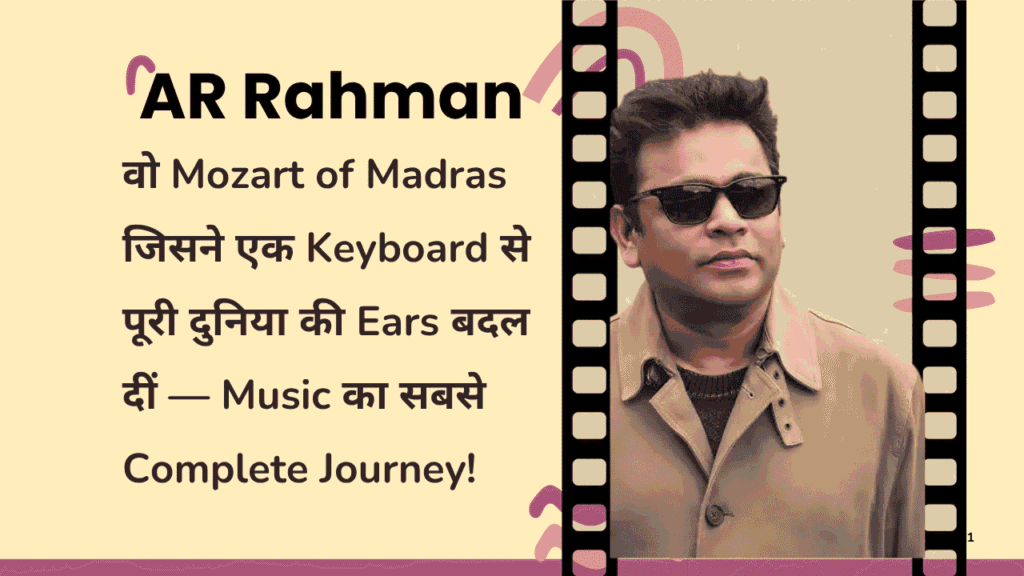
कुछ लोग music बनाते हैं। AR Rahman music से बनते हैं। यह distinction important है। जब 1992 में Mani Ratnam की Roja release हुई और उसका background score पूरे India में बज उठा, तो किसी को नहीं पता था कि वो Madras के एक 26 साल के लड़के का काम था जो पहले Dilip Kumar नाम से जाना जाता था। उस score में जो था वो ordinary film music नहीं था — वो कुछ और था, कुछ ऐसा जो simultaneously ancient और futuristic था, simultaneously Tamil और Universal था। Time Magazine ने बाद में AR Rahman को Mozart of Madras कहा — और यह title appropriate था लेकिन incomplete। Mozart एक genius था जो अपने time का product था। Rahman एक genius है जो अपने time से ahead है।
यह blog उन सभी के लिए है जो India में हों, या USA, UK, Canada, Australia, Germany, UAE और दुनिया के हर उस कोने में हों जहाँ music language की barrier को cross करता है। Rahman की story सिर्फ songs और awards की नहीं — यह faith की, grief की, transformation की और उस relentless pursuit की है जो एक ordinary middle-class Madras family के बच्चे को दो Oscars, two Grammys, एक BAFTA और India के highest civilian honors तक ले जाती है।
इस blog में हम Rahman के उस Chennai के बचपन से शुरू करेंगे जहाँ पिता की मृत्यु ने सब बदल दिया, उनकी spiritual transformation, Roja से Bollywood की discovery, international journey, Slumdog Millionaire का वो historic Oscar moment, उनकी composition philosophy, best works, net worth, और वो 2026 में जो projects उन्हें एक नए chapter की तरफ ले जा रहे हैं।
Madras का वो बचपन — जब Music Hobby नहीं, Survival था
एक Film Composer के घर में पैदा हुए, 9 साल में Orphan हुए, और फिर Music ही Life बन गई
AR Rahman का जन्म 6 January 1967 को Chennai (तब Madras) में हुआ। Original नाम AS Dileep Kumar। उनके पिता RK Shekhar एक Tamil film composer थे — इसलिए music घर में था, पर professionally। घर में harmonium, keyboard और film industry के लोगों का आना-जाना — यह environment naturally musical था।
लेकिन जो tragedy आई वो किसी के लिए भी unbearable होती। 1976 में — Rahman सिर्फ 9 साल के थे — उनके पिता RK Shekhar की unexpectedly death हो गई। अचानक घर की income बंद। माँ Kareema पर चार बच्चों की जिम्मेदारी आ गई। जो instruments पिता के पास थे वो rent पर देने पड़े, कुछ sell करने पड़े। उस age में Rahman ने professional keyboard playing शुरू की — Ilayaraaja जैसे established composers के orchestra में session musician के रूप में।
11 साल की उम्र में professional session musician। यह detail important है क्योंकि यह बताती है कि Rahman का music school में theory पढ़कर नहीं बल्कि actual professional environment में काम करते हुए developed हुआ। Zakir Hussain, Ilayaraaja, MSV — इन legends के साथ early exposure ने उनकी musical sensibility को एक foundation दिया जो purely academic education नहीं दे सकती।
Trinity College of Music, London से scholarship — Western classical training। Madras की Eastern roots और London की Western training — यह combination later उनकी signature sound की foundation बनी। वो इंसान जो simultaneously Carnatic scales और Western orchestration को natural feel करता है वो दुनिया में बहुत कम होते हैं। Rahman उनमें से एक हैं।
Spiritual Transformation — वो Chapter जिसने एक Musician को एक Mystic बनाया
जब AS Dileep Kumar AR Rahman बना — और उस Conversion में जो Depth थी वो उनकी Music में आज भी Hear होती है
1980s के late years में Rahman की family ने Qadiri Sufi order को follow करना शुरू किया। यह conversion gradual था और deeply personal था — किसी pressure का result नहीं बल्कि एक genuine spiritual seeking का। उनकी माँ Kareema पहले convert हुईं और family ने Islam adopt किया। AS Dileep Kumar Allah Rakha Rahman बने — जिसका meaning है “भगवान की देन जो भगवान ने रखा।”
यह name change केवल identity change नहीं था — यह एक philosophy का statement था। Rahman का Sufi connection उनकी music में deeply embedded है। जब आप Dil Se का title track सुनते हैं, जब Vande Mataram album की spirituality feel होती है, जब Jai Ho में वो universal optimism होती है — यह सब एक Sufi’s perspective है जो music को prayer की तरह देखता है।
Rahman ने कई interviews में कहा है कि वो recording से पहले pray करते हैं, कि हर composition में वो उस source से connect होने की कोशिश करते हैं जो उनके अनुसार divine है। यह approach उन्हें most commercial composers से fundamentally different बनाता है। जब आप music को art नहीं बल्कि worship की तरह approach करते हैं तो output में एक different quality होती है — और Rahman की best works में यह quality unmistakably present है।
Roja 1992 — वो Genesis जिसने एक New Era की शुरुआत की
Mani Ratnam का वो Phone Call जिसने Indian Film Music को हमेशा के लिए Divide कर दिया — Before Roja और After Roja
1992 में Mani Ratnam एक film बना रहे थे — Roja। उनके regular composer Ilayaraaja के साथ कुछ creative differences थे। किसी ने Rahman का नाम suggest किया — एक 25 साल का लड़का जो jingles और ad music में known था लेकिन film music में unknown। Mani Ratnam ने risk लिया।
Roja का score release हुआ और Indian film music में एक before और after बन गया। Chinna Chinna Aasai, Roja Jaaneman, Ye Haseen Vadiyan — यह songs थे जो cinematically integrated थे बजाय separately enjoyable होने के। Background score में orchestration थी जो Indian film में नहीं सुनी गई थी। Electronic और acoustic का वो blend जो simultaneously modern और rooted था।
Rahman को Best Music Director का National Film Award मिला — पहली film के लिए। यह Indian cinema में unprecedented था और remains extremely rare। लेकिन जो truly remarkable था वो National Award नहीं था — वो यह था कि Roja के बाद पूरी Indian film industry ने realize किया कि music composition का एक नया standard set हो गया है।
Mani Ratnam Trilogy और वो Years जब Rahman ने एक के बाद एक Masterpiece दिए
Bombay, Dil Se, Taal — तीन Albums जो तीन अलग Universes थे और तीनों में Rahman अकेले थे
Bombay 1995 — Mani Ratnam की film जो Hindu-Muslim tensions पर थी। Bombay Theme जो आज भी world music में referenced होता है। Kehna Hi Kya, Humma Humma, Tu Hi Re — हर song एक different emotion था, हर song एक different musical world था। Humma Humma में Carnatic percussion के ऊपर western dance beats — यह fusion इतना seamless था कि audience को notice भी नहीं हुआ कि यह दो different musical traditions का marriage है।
Dil Se 1998 — शायद Rahman का most musically ambitious Hindi film project। Chaiyya Chaiyya जो train की छत पर choreographed था और जो आज भी globally Rahman का most recognizable work है। Dil Se Re का वो haunting quality। Satrangi Re का वो ethereal texture। यह album एक musical journey था जिसमें listener को feel होता था कि वो कहीं travel कर रहे हैं।
Taal 1999 — Subhash Ghai की film। Taal Se Taal Mila, Ishq Bina, Ramta Jogi — यह album commercially most successful था और prove किया कि Rahman mass entertainment और musical artistry को simultaneously achieve कर सकते हैं। Taal का album USA में Billboard charts पर गया — यह किसी Indian film album के लिए that time एक milestone था।
Lagaan 2001 — जब Rahman ने Prove किया कि Period Drama भी उनसे कम नहीं हो सकती
Mitwa, Radha Kaise Na Jale, O Rey Chhori — वो Songs जो 1890s की Feeling को Musically Recreate करते हैं
Lagaan 2001 में Ashutosh Gowariker के साथ Rahman का काम unique था क्योंकि यह period film था — British India, 1893। Music को उस era की authenticity capture करनी थी बिना boring हुए, और simultaneously modern audience को appeal करना था।
Mitwa — जो film का most iconic song है — एक Kabir-inspired Sufi composition है जो Sanskrit words को उर्दू phrases के साथ blend करती है। यह song acoustically simple है लेकिन emotionally overwhelming। Radha Kaise Na Jale में folk music elements हैं जो Rajasthan और UP की village music से inspired हैं। यह research-based composition थी — Rahman ने उस period की folk traditions को actually study किया।
Lagaan Oscar nominated हुई Best Foreign Language Film के लिए — और Rahman का music उस nomination में एक significant factor था। यह international attention का पहला serious signal था।
Bombay Dreams और International Stage — जब Rahman London’s West End पर पहुँचे
Andrew Lloyd Webber के साथ Collaboration — Indian Music को Broadway और West End की Language मिली
2002 में Andrew Lloyd Webber — Phantom of the Opera और Cats के creator — ने Rahman से collaborate किया Bombay Dreams के लिए जो West End musical था। यह collaboration Indian और Western theatrical music का वो meeting था जो genuinely unprecedented था।
Bombay Dreams London में run हुआ, फिर Broadway पर। यह Rahman के लिए एक important milestone था — वो internationally not just recognized थे, वो actively sought after थे। Lloyd Webber जैसा legendary composer किसी के साथ collaborate करे तो वो automatically एक global endorsement था।
इस international exposure ने Rahman को एक ऐसा network दिया जो बाद में Slumdog Millionaire की opportunity तक पहुँचा। Music industry globally small है और जब Lloyd Webber recommend करते हैं तो doors genuinely open होते हैं।
Slumdog Millionaire 2008 — वो Moment जो Indian Music History का Most Glorious Page है
February 22, 2009, Kodak Theatre, Hollywood — “Jai Ho” और वो Oscar Speech जिसे पूरा India आज भी याद करता है
Danny Boyle की Slumdog Millionaire — एक British film जो Mumbai की slums में set थी। Rahman को approach किया गया score के लिए। यह एक risk था — एक Indian composer को Western film के लिए hire करना जो India के बारे में थी — लेकिन Danny Boyle का instinct सही निकला।
Jai Ho, O Saya, Latika’s Theme — Rahman का score Slumdog Millionaire की soul था। Film की energy, chaos, hope और heartbreak — सब कुछ music में था। Jai Ho में जो universal optimism है वो merely energetic नope से नहीं आती — वो एक spiritual conviction से आती है।
22 February 2009 — 81st Academy Awards। Slumdog Millionaire ने 8 Oscars जीते। AR Rahman ने Best Original Score और Best Original Song (Jai Ho) दोनों जीते। जब वो stage पर आए और उन्होंने अपनी माँ की तरफ देखा और Tamil में कहा — “Ella Pugazhum Iraivanukke” — जिसका अर्थ है “सब कुछ भगवान का है” — तो वो moment केवल एक award acceptance नहीं था। वो एक 9 साल के उस बच्चे का moment था जिसने पिता खोए थे, जो जीवित रहने के लिए instruments rent पर देता था, जो session musician था। उस रात वो दुनिया के सबसे celebrated composer थे।
Same night Grammy भी जीता — यह एक ही रात में Oscar और Grammy, जो किसी Indian के लिए पहली बार था।
Rahman की Composition Philosophy — वो Workshop जो Reclusive है और जिसे Industry “AM Studios” कहती है
रात 3 बजे काम शुरू होता है, सुबह तक चलता है — और उस Darkness में जो Music बनता है वो Day में Possible नहीं होता
Rahman के काम करने के तरीके के बारे में Bollywood में well-known है कि वो primarily रात में काम करते हैं — अक्सर 2-3 AM के बाद। उनका AM Studios Chennai में है जो state-of-the-art recording facility है। Singers को typically रात में बुलाया जाता है और sessions सुबह तक चलती हैं।
यह schedule eccentric लग सकता है लेकिन Rahman का explanation logical है — रात में world की noise कम होती है, distractions नहीं होते, और उस silence में वो music सुन सकते हैं जो background में हमेशा बज रही है। यह Sufi concept से aligned है — divine music को सुनने के लिए worldly noise बंद करनी होती है।
Rahman personally हर instrument को deeply understand करते हैं। वो केवल composition करते हैं नहीं — वो production, mixing और mastering में deeply involved होते हैं। यही reason है कि उनका sound signature है — वो texture जो immediately recognizable है बिना credit देखे। कोई भी Rahman song का पहला 10 seconds सुनकर identify कर सकता है।
Best Compositions — वो Definitive List जो एक Career की Width दिखाती है
Roja से Rockstar तक — 30 साल में वो Songs जो Different Universes में Exist करते हैं
1990s Masterpieces: Chaiyya Chaiyya (Dil Se), Bombay Theme (Bombay), Roja Theme, Kehna Hi Kya (Bombay), Dil Se Re (Dil Se), Taal Se Taal Mila (Taal), Humma Humma (Bombay), Tu Hi Re (Bombay)।
2000s Landmarks: Mitwa (Lagaan), Radha Kaise Na Jale (Lagaan), Jai Ho (Slumdog Millionaire), O Saya (Slumdog Millionaire), Maa Tujhe Salaam (Vande Mataram album), Khwaja Mere Khwaja (Jodhaa Akbar), Piya Haji Ali (Fiza), Barso Re (Guru), Jai Ho Democracy।
2010s Evolution: Kun Faya Kun (Rockstar) — शायद Rahman का most spiritually profound Hindi film composition। Katiya Karun (Rockstar), Nadaan Parinde (Rockstar), Nenjukkul Peidhidum (Vinnaithaandi Varuvaayaa), Mental Manadhil (OK Kanmani), Roobaroo (Rang De Basanti), Lukka Chuppi (Rang De Basanti), Tere Bina (Guru)।
Kun Faya Kun special mention deserve करता है क्योंकि यह song formally Sufi qawwali format में है, Imtiaz Ali की Rockstar के लिए बना, Javed Ali और AR Rahman की आवाजों में है, और यह arguably Indian film music का most genuinely spiritual song है। Rahman ने कहा था कि इस song को record करते हुए उन्हें एक ऐसी presence feel हुई जो describe नहीं होती।
Vande Mataram — जब Rahman ने दिखाया कि Music Politics से बड़ा होता है
1997 में India की 50th Independence Anniversary पर वो Album जो Patriotism को Global Sound दे गया
1997 में India की independence की 50th anniversary। Rahman ने Vande Mataram album बनाया जिसमें title track एक new arrangement था — traditional lyrics, futuristic production। यह album Internationally released हुआ और India की patriotic music को पहली बार globally relevant बनाया।
Maa Tujhe Salaam album का highlight था जो original composition थी — एक invocation जिसमें India के विभिन्न musical traditions को एक single tapestry में weave किया गया था। यह album prove करती है कि Rahman केवल film composer नहीं — वो cultural ambassador हैं।
Rockstar 2011 — जब Rahman और Imtiaz Ali ने Indian Film Music का Most Cohesive Album बनाया
Ranbir Kapoor की वो Film और उसका वो Soundtrack जो Film से भी Bigger हो गया
Rockstar 2011 — Imtiaz Ali की film। इस film के बारे में debates हैं लेकिन album के बारे में कोई debate नहीं है — यह one of the best Bollywood soundtracks ever बनाया। Nadaan Parinde, Kun Faya Kun, Katiya Karun, Tum Ho, Phir Se Ud Chala — यह songs एक complete emotional arc बनाते हैं जो film के narrative को parallel run करती है।
इस album की special quality यह है कि इसे film से independent सुना जा सकता है और यह एक complete musical experience है। Rahman ने इसके लिए Mohit Chauhan, Javed Ali और खुद को singers की तरह use किया — और हर voice perfect casting थी। Filmfare Best Music Director Award इस film के लिए।
Oscar के बाद — Hollywood Projects और Global Stage पर India का Sound
127 Hours, Million Dollar Arm और वो Hollywood Work जिसने Prove किया कि Oscar One-Time Fluke नहीं था
Slumdog के बाद Hollywood ने Rahman को seriously pursue किया। 127 Hours 2010 में Danny Boyle के साथ फिर collaboration। यह film James Franco की solo performance थी और Rahman के score ने isolation और desperation को musically translate किया। Golden Globe nomination मिला।
Million Dollar Arm 2014 — Disney production में score। Couples Retreat जैसी smaller Hollywood projects। यह projects commercially major नहीं थीं लेकिन इन्होंने prove किया कि Rahman Hollywood में work कर सकते हैं और उनका sensibility केवल Indian context में नहीं जाता।
Rahman का global reach यह है कि वो आज simultaneously Bollywood, Tamil cinema, Hollywood, world music events और live concerts में equally present हैं। यह versatility virtually no other Indian musician के पास है।
Best Achievements — वो Complete Award List जो एक Career का Official Record है
2 Oscars, 2 Grammys, 1 BAFTA, 6 National Awards — Indian Music History की सबसे Decorated List
2 Academy Awards — Best Original Score और Best Original Song दोनों Slumdog Millionaire 2009 के लिए। यह किसी Indian के लिए पहली बार था। 2 Grammy Awards — Slumdog Millionaire soundtrack के लिए। 1 BAFTA — Best Film Music। 6 National Film Awards — Roja, Minsara Kanavu, Vandemataram, Alaipayuthey, Lagaan और Rang De Basanti के लिए। 15 से अधिक Filmfare Awards। Padma Bhushan 2010 — India का तीसरा highest civilian honor। Padma Shri 2000। Time Magazine’s 100 Most Influential People in the World। Stanford University ने honorary degree दी।
6 National Awards — यह record Indian film music में unmatched है। कोई अन्य composer इतने National Awards नहीं जीते। यह achievement इसलिए meaningful है क्योंकि National Awards merit-based हैं, commercial success-based नहीं।
Net Worth और KM Music Conservatory — वो Legacy जो Music से Music को Deti है
₹750 Crore से ज्यादा की Net Worth और वो School जो Next Generation के Rahmans बना रहा है
AR Rahman की estimated net worth 2026 तक ₹750 करोड़ से अधिक है। यह income multiple streams से आती है — film compositions (Bollywood और Tamil दोनों जहाँ उनकी per-film fee India में highest है), international scoring projects, live concerts और tours जो globally sell-out होते हैं, AM Studios rental, brand endorsements, और KM Music Conservatory।
KM Music Conservatory Chennai में है — Rahman की own music school। यह शायद उनका most meaningful non-musical contribution है। यह conservatory world-class music education provide करती है Indian students को जो नहीं चाहते कि केवल those जिनके पास London या Berkeley जाने के resources हैं वो professionally train हों। Rahman ने own tuition fees partially subsidize किए हैं deserving students के लिए।
AM Studios Chennai — यह facility not only Rahman’s own work के लिए है बल्कि अन्य composers और artists के लिए rent पर available है। यह Indian music production infrastructure को strengthen करता है।
Live concerts — “AR Rahman Live in Concert” globally tour करता है और consistently sell-out होता है। Wembley Arena, Madison Square Garden — Rahman concerts में Indian diaspora की वो emotional response होती है जो किसी अन्य Indian musician के concerts में नहीं होती।
Rahman और Tamil Cinema — जहाँ उनका Heart है और जहाँ उनकी Roots हैं
Mani Ratnam Partnership और वो Tamil Songs जो Bollywood से भी Deeper हैं
Rahman का primary identity Tamil cinema में है — Roja, Bombay, Dil Se, Kannathil Muthamittal, Alaipayuthey, Vinnaithaandi Varuvaayaa, OK Kanmani, Chekka Chivantha Vaanam — यह Tamil filmography arguably उनकी Hindi filmography से equally या more impressive है।
Mani Ratnam के साथ partnership Indian cinema में most celebrated director-composer partnership है। यह relationship केवल professional नहीं — यह two artists की mutual respect और creative alignment है। जब Mani Ratnam कहते हैं कि Rahman उनकी films की soul देते हैं तो यह hyperbole नहीं — Bombay का title theme, Dil Se का score, Kannathil Muthamittal की sensitivity — यह music films से separate exist नहीं करती।
2026 में AR Rahman — वो Current Chapter
New Projects, Concerts और वो Continuous Evolution जो Prove करती है कि 59 साल की उम्र में वो अभी Peak पर नहीं रुके
2026 में AR Rahman 59 साल के हैं और उनकी creative energy undiminished है। Several film projects simultaneously — Tamil और Hindi दोनों में। International collaborations जो officially announce नहीं हुई हैं। Live concerts जो globally planned हैं। KM Music Conservatory का expansion।
जो interesting है वो यह है कि Rahman की recent work में वो experimentation है जो एक established artist normally नहीं करता — वो comfortable और proven formulas पर नहीं जाते। वो continuously seek करते हैं new sounds, new collaborations और new ways to express वो music जो उनके अनुसार पहले से exist करता है और उन्हें बस सुनना होता है।
FAQ — AR Rahman के बारे में सबसे ज्यादा Search होने वाले सवाल
AR Rahman ने कितने Oscars जीते हैं?
AR Rahman ने 2 Academy Awards जीते हैं — दोनों 2009 में Slumdog Millionaire के लिए। एक Best Original Score के लिए और दूसरा Best Original Song “Jai Ho” के लिए। वो पहले Indian हैं जिन्होंने Oscar जीता।
AR Rahman की Net Worth 2026 में कितनी है?
AR Rahman की estimated net worth 2026 में ₹750 करोड़ से अधिक है। यह film compositions, international projects, global live concerts, AM Studios और KM Music Conservatory से मिलकर बनती है।
AR Rahman का असली नाम क्या है?
AR Rahman का जन्म नाम AS Dileep Kumar था। बाद में family के साथ Islam convert करने के बाद वो Allah Rakha Rahman बने। AR Rahman इसी नाम का short form है।
AR Rahman का सबसे Famous Song कौन सा है?
Internationally Chaiyya Chaiyya (Dil Se) और Jai Ho (Slumdog Millionaire) उनके most recognized songs हैं। Spiritually उनका most profound work Kun Faya Kun (Rockstar) माना जाता है। Commercially Jai Ho (film version) और Taal Se Taal Mila among their biggest hits हैं।
AR Rahman कहाँ के रहने वाले हैं?
AR Rahman Chennai (Madras), Tamil Nadu के रहने वाले हैं। उनका AM Studios और KM Music Conservatory दोनों Chennai में हैं। वो primarily Chennai में based रहते हैं हालाँकि काम के लिए globally travel करते हैं।
AR Rahman को कौन-कौन से Awards मिले हैं?
AR Rahman को 2 Oscars, 2 Grammys, 1 BAFTA, 6 National Film Awards, 15+ Filmfare Awards, Padma Bhushan 2010, Padma Shri 2000, और Stanford University की Honorary Degree मिली है। यह किसी भी Indian musician की most decorated achievements list है।
Kun Faya Kun किसने Compose किया?
Kun Faya Kun AR Rahman ने compose किया। यह Rockstar 2011 film का song है जो Imtiaz Ali ने direct की थी। Song में AR Rahman खुद और Javed Ali ने vocals दिए। यह Sufi qawwali format में है और Rahman का most spiritually significant Hindi film composition माना जाता है।

Written & curated by Ansarul Haque