
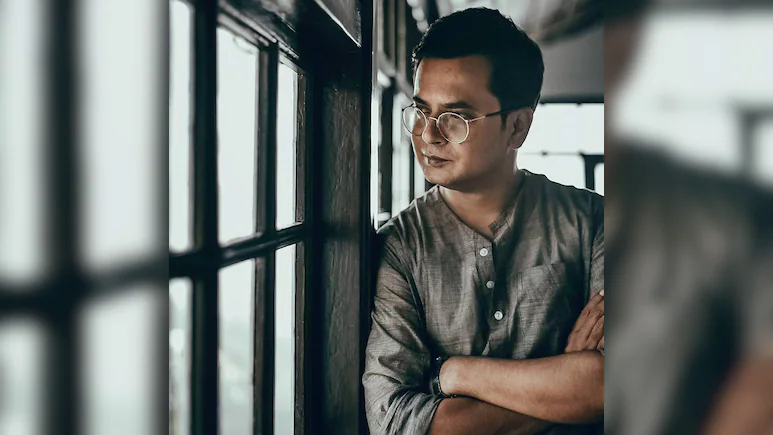
The Bengali entertainment industry is in a state of profound shock and mourning following the tragic death of popular actor Rahul Arunoday Banerjee. On Sunday evening, March 29, 2026, the 43-year-old actor met with a fatal accident while shooting for his upcoming television series, “Bhole Baba Paar Karega,” near the scenic Talsari beach, close to the West Bengal-Odisha border. What was supposed to be a routine day of filming turned into a nightmare when Rahul was reportedly swept away by a sudden massive wave or fell into a submerged ditch while performing a sequence in knee-deep water. Despite the immediate efforts of the crew and local lifeguards to rescue him and rush him to the Digha Sub-divisional Hospital, he was tragically declared dead upon arrival. The news has sent ripples of grief across the country, with fans and colleagues struggling to process the loss of a talent who had become a household name through his versatile performances in both cinema and television.
Why This Tragedy Matters to the Industry
A Void in Versatility Rahul Arunoday Banerjee was not just another face on the screen; he was a powerhouse of talent known for bridging the gap between commercial blockbusters and intellectually stimulating art-house cinema. His debut in “Chirodini Tumi Je Amar” changed the trajectory of Bengali mainstream films, and his subsequent work in the “Byomkesh” franchise as Ajit showcased a rare depth. The loss of such a nuanced actor leaves a significant void in the creative landscape of Tollywood.
The Question of On-Set Safety This incident has reignited the critical conversation regarding safety protocols on Indian film and television sets. Preliminary reports from the police indicate that the production team might not have secured the necessary permissions for shooting at that specific location. In an industry where deadlines often override safety measures, this tragedy serves as a grim reminder of the high stakes involved in outdoor filming without professional safety divers or proper site assessments.
A Cultural Icon Lost Beyond his acting, Rahul was an articulate voice in the cultural sphere, often engaging in deep discussions about theatre and literature through his podcast. His ability to connect with the younger generation while respecting the roots of Bengali heritage made him a unique figure. His sudden departure is not just a loss for his family but for the entire cultural fabric of West Bengal.
The Drowning Incident: What Really Happened
The Final Sequence at Talsari Reports from the set suggest that the tragedy unfolded during the final moments of the day’s work. While the main shoot had reportedly wrapped up, there are accounts that Rahul insisted on an unscripted drone shot to capture the natural beauty of the coastline. He was filming a scene with co-actor Sweta Mishra in what appeared to be safe, knee-deep water. Witnesses state that a larger-than-expected wave struck the pair, causing them to lose their footing and slip into a deeper section or a ditch hidden beneath the surface.
The Rescue Mission and Medical Timeline Panic erupted on the beach as crew members realized Rahul had not resurfaced. Technicians and local lifeguards immediately jumped into the water and managed to pull him out within minutes. He was reportedly still responsive during the initial moments of the transport, but his condition deteriorated rapidly. By the time the vehicle reached Digha Hospital, approximately 12 kilometers away, the medical team confirmed he had passed away. Initial assessments point to drowning as the cause, though a formal post-mortem is being conducted to rule out a sudden cardiac event brought on by the shock of the water.
Police Investigation and Legal Standpoint The Balasore and Digha police have launched a joint investigation into the sequence of events. A major point of contention is the lack of formal intimation to the local authorities regarding the shoot. In European and American film industries, shooting near water bodies requires stringent permits, on-site medical teams, and certified safety officers. The absence of such rigorous standards in regional Indian productions is now under intense scrutiny, with police questioning the production manager and director about the safety equipment present on site.
Reactions from the Film Fraternity and State
Political and Personal Condolences West Bengal Chief Minister Mamata Banerjee expressed her deep sadness, describing Rahul as one of her favorite actors and a wonderful human being. She emphasized that his death is an “irreparable loss” to the industry. High-profile actors like Prosenjit Chatterjee and Jeet, along with director Raj Chakraborty, have visited the family’s residence to offer their support, highlighting the deep personal bonds Rahul shared with his colleagues.
The Family’s Plea for Privacy Rahul’s wife, acclaimed actor Priyanka Sarkar, issued a poignant statement requesting space and privacy for their 13-year-old son, Shohoj. The family is navigating a time of immense grief, compounded by the circulation of insensitive images and videos of the actor’s final moments on social media. Fellow actors have joined Priyanka in slamming the “digital voyeurism” that often follows celebrity tragedies, urging the public to remember Rahul for his art rather than his demise.
Local Context: Safety and Tourism in Digha
The Changing Landscape of Talsari Talsari and Digha are popular tourist destinations, but the coastal geography is known for its shifting sands and sudden depth changes. For international travelers used to the highly regulated and clearly flagged beaches of Florida or the French Riviera, the lack of visible warning signs and consistent patrolling in these areas can be jarring. Tourists and professional crews alike often underestimate the power of the Bay of Bengal’s currents, especially during the transition into the summer months.
Dining and Culture in the Region Digha is famous for its local seafood, particularly the “Parshe” and “Prawn” delicacies served in the beachside shacks. While the area is a hub for relaxation and culinary exploration, this tragedy casts a shadow over the local tourism industry. There is now a growing demand for the tourism department to implement better safety infrastructure, including more trained lifeguards and better communication systems for remote filming locations to ensure that visitors and professionals are protected.
Practical Information for Visitors and Production Crews
Travel and Safety Standards If you are planning a visit to the Digha-Talsari belt, it is vital to only enter the water in designated safe zones. Unlike the Mediterranean where tides are often negligible, the Bay of Bengal has a significant tidal range. For production houses, it is now more critical than ever to hire professional safety consultants. The cost of a safety diver or a medical standby team is a fraction of the cost of a life lost, yet these roles are often missing in budget-constrained regional projects.
Emergency Contacts and Facilities Digha Sub-divisional Hospital is the primary medical facility for the region, but for advanced trauma or critical emergencies, the nearest major multi-specialty hospitals are in Kolkata, which is a four-hour drive away. This logistical gap means that on-site first aid and immediate response are the only real defenses against drowning or major accidents in these coastal towns.
FAQ Section
Who was Rahul Arunoday Banerjee? He was a highly respected 43-year-old Bengali actor who rose to fame with the 2008 film “Chirodini Tumi Je Amar.”
What was the cause of his death? He died due to accidental drowning while shooting for a television series at Talsari beach.
Which show was he filming when the incident occurred? He was filming a Bengali television soap titled “Bhole Baba Paar Karega.”
Who is his family? Rahul is survived by his wife, actor Priyanka Sarkar, and their 13-year-old son, Shohoj.
Where did the drowning take place? The incident happened at Talsari beach, located on the border of West Bengal and Odisha, near Digha.
Was the shooting team authorized to film there? According to the Balasore police, the production team had not obtained the necessary permissions for filming at that location.
How have his colleagues reacted? The entire Tollywood industry is in shock, with senior actors and directors calling it a dark day for Bengali cinema.
What are the safety concerns raised by this event? The tragedy has highlighted the lack of professional safety protocols and the absence of lifeguards or safety divers during water-based shoots.
Is there an ongoing investigation? Yes, both the West Bengal and Odisha police are conducting a joint investigation into the circumstances of the accident.
Will there be a tribute to his work? Many industry members have suggested a retrospective of his films, though the family is currently focused on private funeral rites.
Final Thoughts on a Stolen Talent
The death of Rahul Arunoday Banerjee is a sobering moment for anyone who appreciates the craft of acting and the vibrancy of Indian regional cinema. At just 43, he had so much more to give, from his insightful podcasts to his compelling screen presence. This tragedy is not just a personal loss for his family but a systemic failure that exposes the vulnerabilities within the entertainment industry’s operational standards. While we celebrate the legacy he leaves behind—a filmography filled with heart and intellect—we must also demand better for those who remain. No artistic vision or production schedule is worth the life of a human being. As the sun sets over the Bay of Bengal today, it carries with it the memory of an artist who loved the sea but was ultimately taken by it far too soon. The industry must now reflect on how to ensure that such a preventable loss never happens again.
