

Costa Rica occupies a distinctive position among honeymoon destinations through its combination of dense rainforests, active volcanoes, diverse wildlife, and extensive coastlines on both the Pacific Ocean and Caribbean Sea. Covering approximately 51,000 square kilometers, this Central American nation hosts over five percent of the world’s biodiversity despite its modest size, offering couples opportunities for intimate encounters with nature alongside periods of seclusion. The national ethos of “pura vida”—literally “pure life”—manifests in a relaxed pace that contrasts with the urgency often experienced in North American or European urban centers, allowing newlyweds time for reflection and connection away from structured schedules.
For couples from the United States, direct flights from major hubs such as Miami, Houston, or Atlanta reduce travel time to under six hours, while Europeans from London, Frankfurt, or Madrid face longer journeys of ten to fourteen hours with connections, often via American gateways. This accessibility benefits North Americans particularly, though the destination’s appeal extends globally to those prioritizing ecological depth over manufactured luxury. Unlike the resort-heavy environments of parts of Mexico or the Caribbean, Costa Rica emphasizes eco-conscious experiences, with many lodgings integrated into protected areas rather than isolated enclaves.
This guide provides an exhaustive examination tailored to honeymoon planning, addressing romantic viability alongside practical realities. Coverage includes historical and cultural foundations, principal regions with detailed visitation guidance, supplementary experiences, culinary traditions, logistical considerations including current 2026 cost estimates, and responses to common inquiries. Assessments draw from recent traveler reports and official data, acknowledging both strengths—such as conservation leadership—and challenges like seasonal weather variability and localized overcrowding in peak periods.

Why Costa Rica Resonates for Honeymoons
Costa Rica distinguishes itself through environmental stewardship and cultural stability, providing a backdrop where natural immersion fosters intimacy without reliance on overt opulence.
Historical and Cultural Foundations
Indigenous groups such as the Bribri and Boruca inhabited the region for millennia before Spanish arrival in the sixteenth century, leaving archaeological traces in stone spheres and ceremonial sites. Colonial influence remains evident in architecture and Catholic traditions, yet the nation’s 1948 abolition of its army—redirecting funds to education and health—sets it apart from Central American neighbors marked by conflict. Contemporary culture emphasizes environmental protection, with over twenty-five percent of land designated as national parks, reflecting a deliberate choice for sustainability over exploitation.
Distinctive Romantic Characteristics
The interplay of adventure and tranquility suits couples seeking shared discovery: private hot spring soaks after hikes, or quiet beach walks observing nesting turtles. Compared to European alpine retreats, volcanic landscapes offer geothermal warmth year-round; relative to Mediterranean coasts, Pacific beaches provide wilder, less developed settings with superior wildlife viewing.
Geographic and Strategic Positioning
Bridging North and South America, Costa Rica features microclimates from Caribbean lowlands to highland cloud forests. This diversity enables itineraries combining volcanic interiors with coastal relaxation within short drives, though road conditions demand careful planning—unlike Europe’s efficient rail networks or North America’s interstates.
Principal Honeymoon Regions
Four core areas dominate honeymoon itineraries, each offering layered experiences.
Arenal Volcano and La Fortuna Region
The iconic cone of Arenal, dormant since 2010 but surrounded by geothermal activity, anchors this northern highlands zone.
Thermal Springs and Relaxation
Natural hot springs, heated by subterranean magma, range from developed resorts with multiple pools to rustic riverside settings. Evening visits allow private soaking under stars, with water temperatures 30–40°C (86–104°F).
Adventure Integration
Options include guided hikes around the volcano base, waterfall rappelling, or suspended bridge walks. Practical access involves shared shuttles from San José (€80–120 per person) or rental vehicles.
Cultural note: Local communities maintain traditional farming; visits to organic fincas provide context on sustainable practices.

Manuel Antonio National Park and Quepos Area
This Pacific central coast combination delivers beach-wildlife synergy.
Park Trails and Beaches
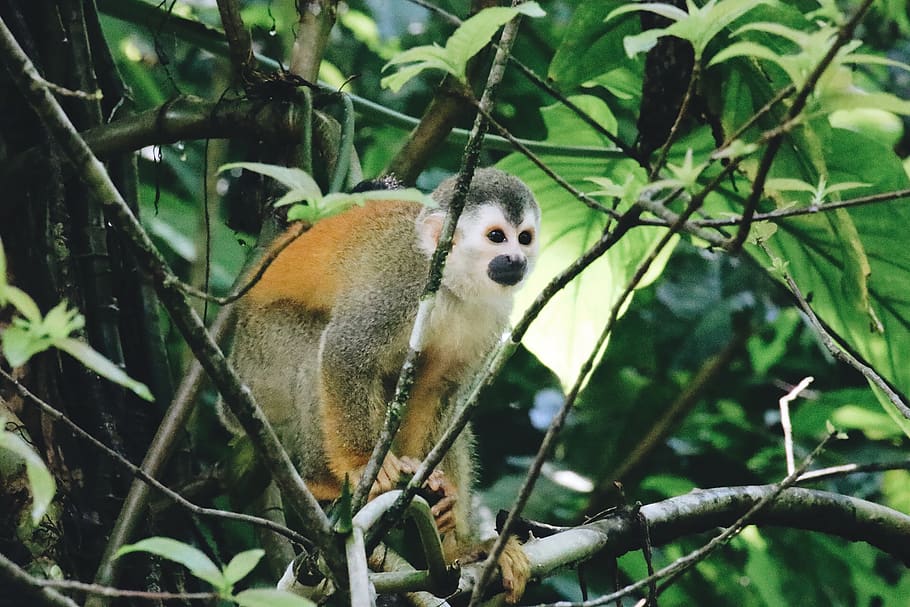
Guided dawn tours (€50–70 per person) maximize sightings of sloths, monkeys, and birds while avoiding midday crowds. Internal beaches offer calm waters suitable for swimming.
Coastal Accommodations
Hilltop lodgings provide ocean views; many include infinity pools. Note park closures on Tuesdays and capacity limits requiring advance tickets.
Significance: The area exemplifies conservation challenges—early development threats led to stricter protections, highlighting ongoing tensions between tourism and preservation.
Monteverde Cloud Forest Reserve
High-elevation mist-shrouded forests characterize this central highlands zone.
Canopy Exploration
Suspended bridges and guided night walks reveal epiphytic plants and nocturnal species. Zip-line courses add adrenaline for active couples.
Birdwatching Emphasis
Over 400 avian species, including resplendent quetzals (peak visibility March–June), attract observers.
Access requires winding roads; four-wheel-drive vehicles recommended. Cooler temperatures (15–25°C/59–77°F) contrast coastal heat.
Guanacaste Pacific Beaches
Northwestern dry tropical forests transition to expansive beaches.
Tamarindo and Conchal Areas
Surfing lessons, sunset catamarans (€100–150 per couple), and secluded coves suit varied preferences.
Luxury Eco-Options
Many properties incorporate sustainable design—solar power, water conservation—without sacrificing comfort.
Dry season reliability makes this region favored by North Americans escaping winter.

Supplementary Experiences
Caribbean Coast and Tortuguero
Boat-only access to canals facilitates turtle nesting observations (July–October) and remote lodge stays, though humidity and mosquitoes intensify.
Adventure Extensions
Zip-lining networks span multiple regions; white-water rafting on Pacuare River offers day excursions from San José.
Peninsula Explorations
Nicoya’s emerging wellness focus includes yoga retreats; Osa Peninsula provides advanced rainforest immersion with higher costs and logistics.
Culinary Landscape
Costa Rican cuisine prioritizes fresh ingredients over complexity.
Core Dishes
Gallo pinto—rice and beans with cilantro and Lizano sauce—forms breakfast staple, often with eggs, plantains, and cheese. Casado plates combine protein, rice, beans, salad, and tortillas.
Regional Variations
Pacific seafood yields ceviche; Caribbean influences add coconut milk to rice and beans preparations. Coffee tours highlight high-quality arabica production.
Dining ranges from sodas (€8–15 per person) to resort restaurants (€40–80). Alcohol moderation aligns with cultural norms; imperial beer predominates locally.

Practical Considerations
Arrival and Internal Transport
International airports in San José (SJO) and Liberia (LIR) serve most flights. Domestic services or private transfers connect regions; rental cars (€50–90 daily including insurance) offer flexibility but require navigation skills on unpaved roads.
Climate and Timing
Dry season (December–April) ensures reliable sunshine; green season (May–November) brings lower rates and lush vegetation but afternoon rains. Shoulder months offer balance.
Lodging and Costs (2026 Estimates)
Mid-range eco-lodges €150–300 nightly; luxury options €400–800. Sample 10-day itinerary for two: flights €800–1,600 each from Europe/USA, accommodations €2,000–4,000, meals/activities €1,500–2,500, transport €600–1,000. Total €6,000–12,000 reflects comfort level.

Frequently Asked Questions
- What budget range applies to a Costa Rican honeymoon in 2026? Mid-range couples allocate €6,000–10,000 for 10–14 days, covering international flights, internal transport, lodging, meals, and activities; luxury exceeds €15,000.
- Which season optimizes weather and romance? December–April dry season provides consistent sunshine, though higher costs and crowds; May/June or November shoulder periods balance conditions and value.
- How does safety compare for honeymooners? Tourist zones maintain relative safety with petty theft as primary concern—avoid visible valuables, use hotel safes, and arrange registered transport. Violent incidents remain rare but warrant standard precautions.
- What cultural etiquette should couples observe? Public affection stays moderate; greetings involve handshakes or cheek kisses. Dress respectfully at rural sites; “pura vida” responses acknowledge local warmth.
- How does Costa Rica differ from Mexican Riviera options? Greater emphasis on biodiversity and eco-integration versus all-inclusive beach focus; wildlife encounters surpass built entertainment, though infrastructure lags European standards.
- Is car rental necessary? Recommended for flexibility outside resorts, but four-wheel-drive essential; alternatives include private drivers (€150–250 daily) or domestic flights.
- What duration suits honeymoon pacing? Ten to fourteen days allow multi-region coverage without rush; shorter stays limit depth.
- Are environmental concerns significant? Overtourism pressures popular parks—select certified operators, minimize single-use plastics, and consider carbon offsets.
- How accessible for varying activity levels? Options range from gentle walks and hot springs to strenuous hikes and zip-lines; many lodgings accommodate relaxation-focused itineraries.
- What visa and health requirements apply in 2026? Most Europeans and North Americans receive 180-day visa-free entry; proof of onward travel required. Standard vaccinations plus hepatitis A recommended; mosquito protection advised in humid zones.
Parting Perspectives on a Costa Rican Honeymoon
Costa Rica rewards couples who value natural authenticity over polished resort isolation, delivering moments of quiet wonder amid biodiversity that few destinations match. Challenges—variable roads, seasonal rains, or crowded trails during peak periods—require realistic expectations, yet the nation’s conservation commitment and welcoming disposition often transform these into shared anecdotes. Those drawn to ecological depth and gentle adventure find profound satisfaction; pairs seeking constant luxury or urban energy may discover limitations. Ultimately, respectful engagement with landscapes and communities ensures the experience aligns with the pura vida philosophy it embodies.
Discover. Learn. Travel Better.
Explore trusted insights and travel smart with expert guides and curated recommendations for your next journey.
