
Table of Contents
Sustainable Honeymoon Destinations
The honeymoon serves as a meaningful opportunity for newlyweds to commence their shared life in a manner that aligns with personal values, including environmental responsibility. In recent years, couples increasingly prioritize sustainable travel options that minimize ecological impact while maximizing intimacy and connection with nature. Sustainable honeymoons emphasize low-carbon accommodations, conservation-supporting activities, and resorts committed to renewable energy, waste reduction, and community benefits.
Destinations renowned for eco-friendly practices include those with strict environmental policies, carbon-neutral resorts, and biodiversity protection initiatives. For travelers worldwide, including those from India, these locations offer accessible visa options—often e-visas or visa-on-arrival—and flight connections via major hubs. Many feature luxury eco-resorts providing honeymoon amenities such as private dinners, couples’ wellness treatments, and guided nature experiences that contribute positively to local ecosystems.
The following ten destinations stand out for their commitment to sustainability, drawing from expert recommendations and traveler insights on regenerative tourism. Each includes suggested itineraries focused on low-impact activities, along with practical travel details.
1. Costa Rica
Costa Rica exemplifies sustainable tourism through its extensive national parks, renewable energy usage, and regenerative resorts. The Osa Peninsula and Arenal region offer rainforest immersion with minimal environmental footprint.
Couples can engage in guided wildlife tours, tree-planting activities, and organic farm-to-table dining. Eco-lodges like Lapa Rios or Nayara Gardens provide private bungalows with solar power and conservation programs.
From India, flights via Europe or the U.S. take 20-24 hours; e-visa available. Best time: December-April (dry season).
Suggested 10-Day Itinerary:
- Days 1-3: Arrive in San José; transfer to Arenal for volcano hikes and hot springs soaking.
- Days 4-7: Osa Peninsula; rainforest treks, birdwatching, and beach relaxation.
- Days 8-10: Manuel Antonio; snorkeling and departure.

2. Maldives
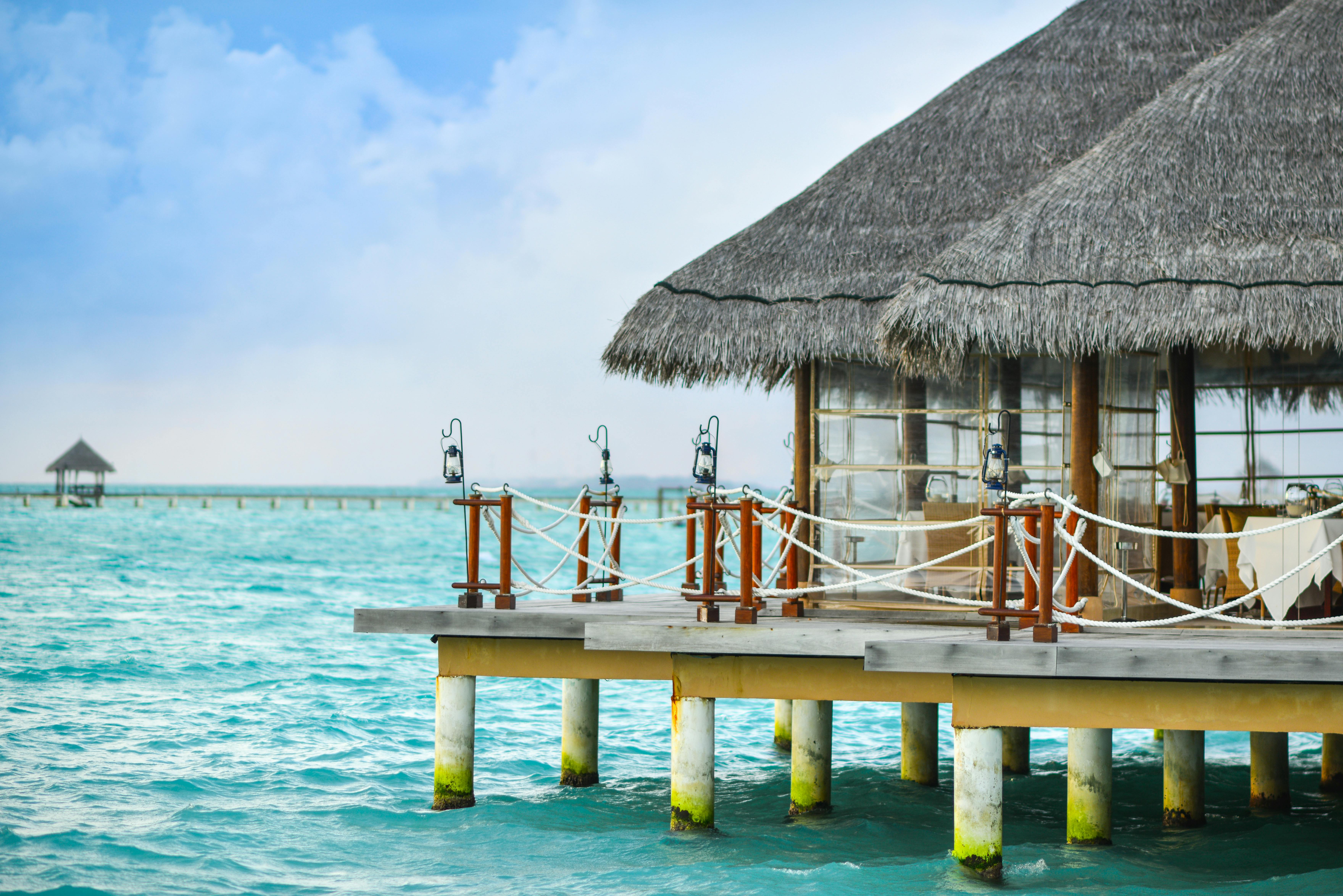
The Maldives leads in sustainable luxury with resorts achieving carbon neutrality and coral restoration projects. Properties like Soneva Fushi and Gili Lankanfushi use solar energy, ban single-use plastics, and support marine conservation.
Romantic options include overwater villas, private reef snorkeling, and marine biologist-led excursions. Many offer honeymoon packages with tree-planting offsets.
Direct flights from India take 2-3 hours; visa-on-arrival. Optimal period: November-April.
Suggested 7-Day Itinerary:
- Day 1: Arrival; seaplane transfer and villa relaxation.
- Days 2-4: Snorkeling house reefs, couples’ spa with organic treatments.
- Day 5: Coral planting excursion and sunset cruise.
- Days 6-7: Private island picnic; departure.

3. Tetiaroa, French Polynesia (The Brando)
The Brando, on private atoll Tetiaroa, operates as a fully carbon-neutral resort powered by renewable sources, with deep commitment to Polynesian ecology and research stations.
Activities feature lagoon kayaking, Polynesian cultural experiences, and stargazing with minimal light pollution. Villas offer private plunge pools and beachfront access.
Flights from India via Australia or U.S., 20-24 hours total. Dry season: May-October. Visa-free for Indian citizens up to 90 days.
Suggested 7-Day Itinerary:
- Day 1: Arrival and eco-tour orientation.
- Days 2-4: Lagoon excursions, cycling, spa treatments.
- Day 5: Private motu picnic.
- Days 6-7: Marine research participation; departure.
4. Seychelles
The Seychelles prioritizes conservation, with protected marine areas and eco-certified resorts on islands like North Island or Denis Private Island.
Couples enjoy granite boulder beaches, nature reserve hikes, and giant tortoise encounters. Resorts emphasize zero-waste and local sourcing.
Flights from India: 5-6 hours direct; visa-on-arrival. Best: November-April.
Suggested 10-Day Itinerary:
- Days 1-4: Mahé; valley hikes and beach time.
- Days 5-8: Praslin/La Digue; cycling and reef protection snorkeling.
- Days 9-10: Relaxation and departure.
5. Bhutan
Bhutan’s high-value, low-impact tourism policy ensures sustainability, with daily tariffs funding conservation and community projects. Paro and Punakha valleys provide serene Himalayan settings.
Experiences include monastery visits, hot stone baths, and forest meditation. Luxury lodges like Six Senses incorporate traditional architecture and organic farms.
Flights from India: 1-2 hours to Paro; visa via approved operators. Best: March-May or September-November.
Suggested 7-Day Itinerary:
- Days 1-2: Paro; Tiger’s Nest hike.
- Days 3-5: Thimphu/Punakha; cultural tours and river rafting.
- Days 6-7: Wellness retreats; departure.
6. Slovenia
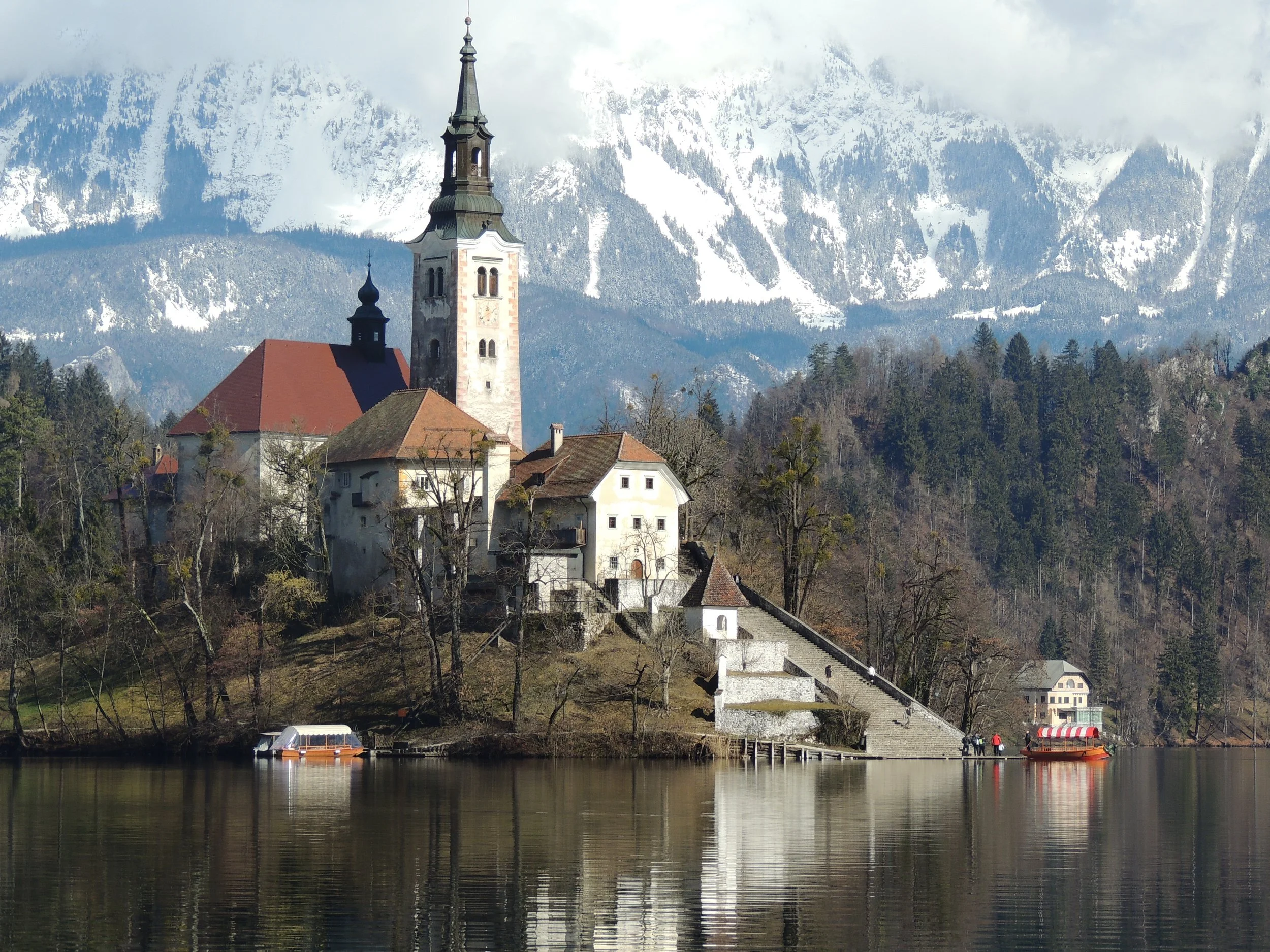
Slovenia holds Europe’s first Green Destination title, with Lake Bled and Julian Alps offering pristine nature and sustainable boutique hotels.
Romantic pursuits include rowing to Bled Island, vineyard cycling, and farm stays. Eco-hotels use geothermal energy.
Direct/indirect flights from India via Europe, 12-15 hours; Schengen visa. Best: May-September.
Suggested 7-Day Itinerary:
- Days 1-3: Lake Bled; castle visits and hiking.
- Days 4-6: Ljubljana and Postojna Cave; eco-tours.
- Day 7: Departure.
7. New Zealand
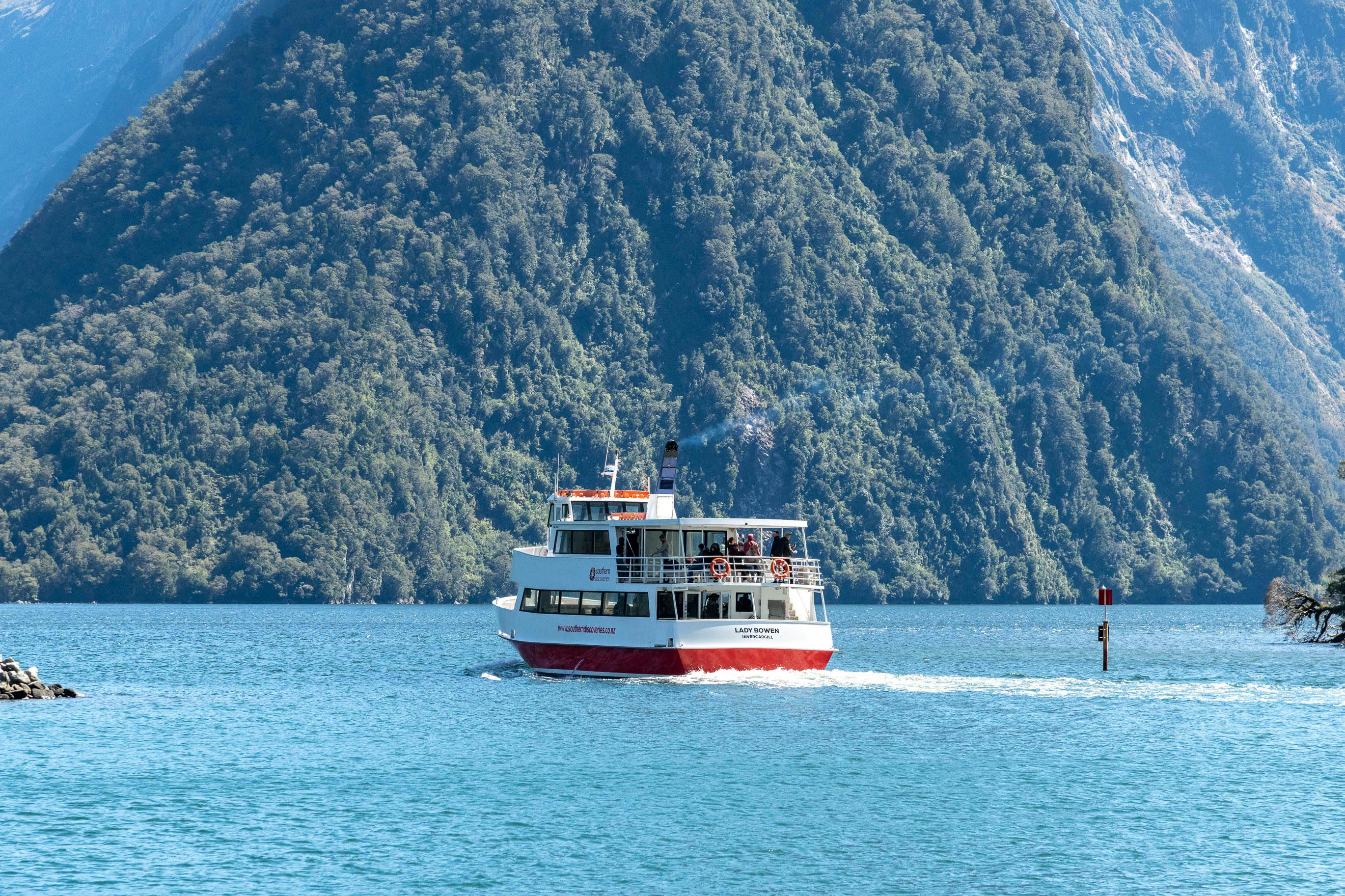
New Zealand’s Tiaki Promise promotes responsible travel, with South Island fjords and geothermal sites accessible via eco-operators.
Milford Sound cruises and hiking trails feature low-emission vessels. Lodges prioritize conservation.
Flights from India: 14-18 hours; e-visa. Best: December-March.
Suggested 10-Day Itinerary:
- Days 1-4: Queenstown; fjord cruises.
- Days 5-8: Rotorua; geothermal parks.
- Days 9-10: Relaxation.
8. Norway
Norway pioneers electric fjord cruises and zero-emission initiatives in regions like Geirangerfjord.
Aurora viewing and hiking occur with sustainable operators. Eco-hotels integrate Nordic design.
Flights via Europe, 12-16 hours; visa-free for Indians up to 90 days in Schengen. Best: September-March for lights.
Suggested 7-Day Itinerary:
- Days 1-4: Oslo to Bergen; rail and fjord cruise.
- Days 5-7: Tromsø; northern lights chasing.

9. Iceland
Iceland utilizes geothermal energy extensively, with Blue Lagoon and national parks offering sustainable access.
Hot springs soaking and glacier hikes use renewable-powered tours.
Flights via Europe, 12-15 hours; e-visa. Best: September-March for aurora.
Suggested 7-Day Itinerary:
- Days 1-3: Reykjavik; Golden Circle.
- Days 4-6: South Coast; ice caves.
- Day 7: Blue Lagoon departure.

10. Rwanda
Rwanda’s conservation success with mountain gorillas features high-end lodges funding community and habitat protection.
Trekking and volcano hikes provide profound wildlife connections.
Flights via Middle East/Africa, 10-14 hours; e-visa. Best: June-September.
Suggested 7-Day Itinerary:
- Days 1-4: Volcanoes National Park; gorilla treks.
- Days 5-6: Lake Kivu relaxation.
- Day 7: Departure.
Sustainable honeymoons allow couples to celebrate love while contributing to planetary preservation. Selecting certified eco-resorts and responsible operators ensures meaningful impact. Advance booking for permits (e.g., Bhutan, Rwanda) and carbon offset flights enhance sustainability.
Frequently Asked Questions (FAQ)
What defines a sustainable honeymoon? It involves destinations and accommodations minimizing environmental harm through renewable resources, conservation support, and local community benefits.
How can we offset travel emissions? Purchase verified carbon credits via airline programs or organizations like Gold Standard.
Are sustainable options more expensive? Premium eco-luxury may cost more initially, but inclusive packages and long-term value often balance expenses.
Which certifications should we seek? Look for EarthCheck, GSTC, or B Corp for resorts; prefer operators with responsible wildlife guidelines.
Is sustainable travel suitable for luxury honeymoons? Many top-rated properties combine high-end amenities with strong sustainability commitments.
How to plan responsibly from India? Choose direct routes where possible, pack reusable items, and support local economies through ethical tours.
Discover. Learn. Travel Better.
Explore trusted insights and travel smart with expert guides and curated recommendations for your next journey.
