
Table of Contents
German Shepherds: From Herding Fields to Heroic Roles, The Enduring Legacy
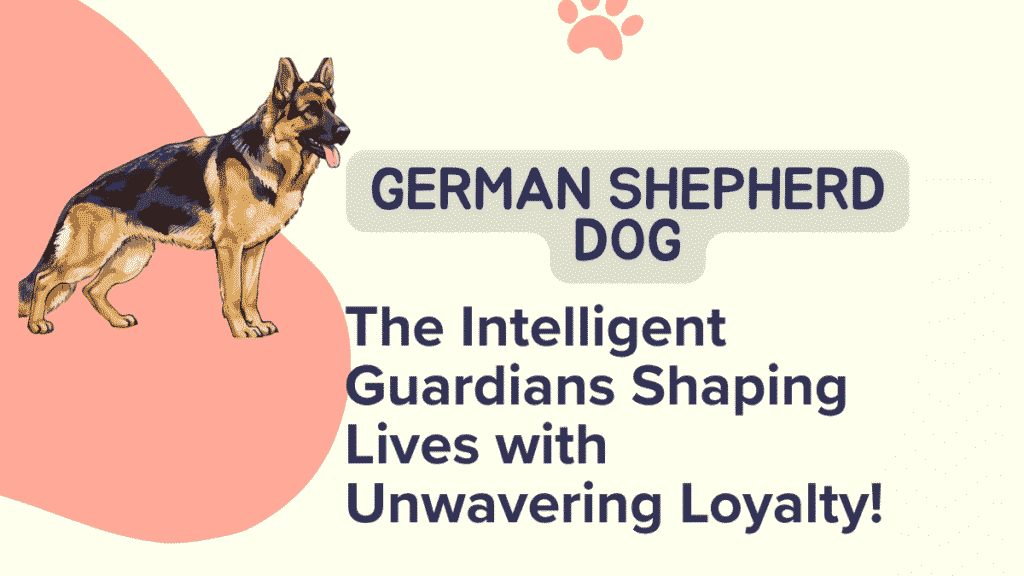
The German Shepherd Dog stands as one of the world’s most recognizable, respected, and versatile dog breeds, consistently ranking among the top three most popular breeds in the United States while dominating working dog roles across military, police, search and rescue, and service dog applications globally due to their exceptional intelligence, unwavering loyalty, trainability, physical capabilities, and adaptable temperament making them equally suited for intense professional work and devoted family companionship. Originally developed in late 19th-century Germany as the ultimate herding dog through systematic selective breeding combining intelligence, physical capability, and working drive, modern German Shepherds have transcended their pastoral origins to become synonymous with canine excellence in protection, detection, tracking, and assistance work while maintaining popularity as beloved family guardians whose striking appearance, noble bearing, and legendary devotion create bonds lasting lifetimes. This remarkable transformation from humble farm dog to international icon of canine capability occurred through deliberate breeding philosophy emphasizing utility, intelligence, and temperament over mere aesthetics, creating dogs whose mental and physical prowess enables mastery of virtually any task humans can teach while their protective instincts and family loyalty make them exceptional companions balancing work and home life seamlessly.
| Characteristic | Details |
|---|---|
| AKC Group | Herding Group |
| FCI Group | Group 1 – Herding Dogs and Cattle Dogs |
| Size Classification | Large |
| Height | 24–26 in (males); 22–24 in (females) |
| Weight | 65–90 lbs (males); 50–70 lbs (females) |
| Average Lifespan | 9–13 years (typically 10–11 years) |
| Coat Type | Double coat, medium length (also long coat variety) |
| Coat Colors | Black & tan, black & red, sable, solid black, solid white (controversial) |
| Shedding Level | Very Heavy (year-round) |
| Exercise Needs | Very High (90+ minutes daily) |
| Energy Level | High to Very High |
| Trainability | Excellent (3rd most intelligent breed) |
| Good with Children | Excellent (with proper socialization) |
| Good with Other Dogs | Good (requires early socialization) |
| Good with Cats | Fair to Good (high prey drive) |
| Apartment Suitability | Poor (needs space and exercise) |
| Climate Tolerance | Excellent cold tolerance; moderate heat tolerance |
| Barking Tendency | Moderate to High (alert barking) |
| Watchdog Ability | Excellent |
| Guard Dog Ability | Excellent |
| Grooming Time | 45–60 min weekly; daily during shedding |
| Estimated Annual Cost | $3,000–$5,000 (USA); €2,500–€4,500 (Europe) |
| Puppy Cost | $800–$2,500+ (USA); €900–€3,000+ (Europe) |
| Primary Breed Clubs | German Shepherd Dog Club of America (GSDCA); SV (Germany) |
Ideal Owner Profile
German Shepherds thrive with owners who:
- Have substantial experience with large, intelligent, strong-willed dogs
- Can dedicate 90+ minutes daily to vigorous exercise and mental stimulation
- Understand and appreciate protective guarding instincts
- Commit to intensive early socialization and ongoing training
- Live in homes with adequate space (large yards ideal)
- Possess strong leadership skills providing clear boundaries
- Can afford significant veterinary expenses (health issues common)
- Appreciate highly bonded, sometimes “velcro” dogs requiring constant companionship
- Have active lifestyles compatible with athletic working dogs
- Understand the serious responsibility of owning powerful protective breeds
Geographic Popularity
United States:
- Consistently ranked #2-4 most popular breed with AKC registrations
- Extremely popular for police K-9 units across all departments
- High demand in rural areas for protection and working roles
- Strong presence in military working dog programs
- Popular family guardian in suburban areas
- German Shepherd rescue networks extensive due to high surrender rates
Europe:
- #1 most registered breed in Germany (country of origin)
- Dominates working dog registrations across European countries
- Particularly popular in Scandinavia, Eastern Europe, and UK
- Strong showing in European protection sports (Schutzhund/IPO)
- German SV (Verein für Deutsche Schäferhunde) maintains strictest breed standards globally
- Working-line emphasis stronger in Europe than USA
Breed Group & Standards
German Shepherd Dogs belong to the Herding Group (AKC) and Group 1 – Herding Dogs (FCI), reflecting their original development as livestock herding and farm protection dogs requiring specific physical and mental attributes including stamina, intelligence, protective instincts, and ability to work independently while responding to handler direction. The breed shows significant divergence between show lines (German and American) and working lines (primarily German and Czech), with show lines emphasizing aesthetic standards creating more angulated rear legs, sloped toplines, and heavier bone structure optimized for trotting gait in show rings, while working lines maintain straighter backs, less extreme angulation, and athletic builds prioritizing functional work capability over appearance. German SV standards represent the strictest and most demanding breed requirements globally, requiring extensive health testing, temperament evaluation, and working trials before breeding approval, contrasting with more lenient American standards sometimes criticized for prioritizing appearance over working ability and health.
2. BREED HISTORY & ORIGINS
Geographic Origins: 19th Century Germany
The German Shepherd Dog’s origins trace to late 19th-century Germany during a period of rapid industrialization and agricultural transformation threatening traditional pastoral lifestyles and the working dogs that supported them. Throughout German-speaking regions, diverse local populations of herding and farm dogs existed—each community maintaining distinct types adapted to local conditions, livestock, and terrain. These dogs varied substantially in appearance, size, and working style, yet shared common traits including intelligence, loyalty, work drive, and protective instincts making them invaluable to farmers and shepherds. As industrialization advanced and traditional sheep farming declined due to wool imports and grazing land conversion to industrial use, these working dog populations faced potential extinction, prompting concerned dog enthusiasts to preserve and standardize the best qualities of German herding dogs into formalized breeds.
Captain Max von Stephanitz: The Breed’s Founder
The single individual most responsible for creating the modern German Shepherd Dog was Captain Max Emil Friedrich von Stephanitz (1864-1936), a former cavalry officer whose background in military discipline, genetics understanding, and passion for working dogs converged to create one of history’s most successful dog breeding programs. Von Stephanitz came from wealthy family enabling him to pursue his interests without financial constraints, initially aspiring to agricultural careers though ultimately serving in German cavalry where he encountered and admired the intelligence and working capability of rural herding dogs. After retiring from military service, von Stephanitz dedicated himself to creating the “ultimate” German working dog combining the best physical and mental attributes scattered across regional populations into standardized breed maintaining working utility as paramount consideration.
The pivotal moment in German Shepherd history occurred in April 1899 at a dog show in Karlsruhe, western Germany, when von Stephanitz attended with his colleague Artur Meyer searching for exceptional dogs to incorporate into his breeding vision. Among the dogs exhibited, a four-year-old herding dog named “Hektor Linksrhein” immediately captured von Stephanitz’s attention through his striking wolf-like appearance, intelligent expression, athletic build, and evident working capability. Hektor embodied von Stephanitz’s ideal—a medium-sized dog displaying power without bulk, intelligence without stubbornness, and working ability requiring minimal training beyond direction and finishing. Von Stephanitz purchased Hektor on the spot for 200 gold marks (substantial sum at that time), renamed him “Horand von Grafrath,” and within weeks founded the Verein für Deutsche Schäferhunde (SV – Society for German Shepherd Dogs), the world’s first German Shepherd breed club, with Horand receiving registration number SZ1 as the first officially registered German Shepherd Dog.
Systematic Breed Development: 1899-1930s
Von Stephanitz approached breed development with unprecedented scientific rigor and organizational discipline, establishing breeding standards emphasizing utility and working capability over aesthetics. His famous motto “Utility and Intelligence” guided all breeding decisions, with dogs evaluated primarily on working ability, temperament stability, and structural soundness enabling sustained physical work rather than superficial beauty. The initial breed standard developed under von Stephanitz’s direction specified exact structural requirements for every body part based on functional necessity—the shoulder angulation enabling efficient movement, the back strength supporting load carrying, the hindquarter power providing drive, and the mental attributes enabling complex work. This standard became blueprint dictating that every aspect of structure, gait, and temperament served practical working purpose, with beauty considered secondary or even irrelevant if not supporting function.
The breeding program initially employed intensive linebreeding on Horand and his brother Luchs to concentrate desirable traits and establish genetic consistency. Horand’s best son, Hektor von Schwaben (second German Sieger – national champion), was extensively used through matings to his half-sister and daughters of his own sons including Beowulf, Heinz von Starkenberg, and Pilot III, rapidly establishing recognizable breed type. However, intensive inbreeding also concentrated undesirable recessive traits from the diverse regional dogs combined in original foundation, prompting von Stephanitz to introduce outcross blood from unrelated herding dogs including Audifax von Grafrath and Adalo von Grafrath, carefully balancing type consistency with genetic diversity and health. This sophisticated breeding strategy combining linebreeding to fix type with strategic outcrossing to maintain vigor demonstrated von Stephanitz’s advanced genetics understanding decades before modern genetics principles were widely known.
Beyond breeding, von Stephanitz organized extensive working trials, temperament tests, and conformation shows ensuring breeding stock demonstrated actual working capability rather than merely appearing capable. The SV instituted mandatory breed surveys (Körung) requiring dogs pass health screening, temperament evaluation, and working performance tests before breeding approval—revolutionary concept at the time though now standard among responsible breeding organizations. This emphasis on proven working ability prevented breeding purely on appearance or pedigree, maintaining the breed’s functional character despite growing popularity.
World War I and International Recognition
World War I dramatically changed German Shepherd fortunes, transforming them from relatively obscure German farm dogs into internationally recognized breed. The German military employed German Shepherds extensively in various roles including sentries, messengers, ammunition carriers, rescue dogs, and medical assistance dogs, with their intelligence, trainability, courage, and loyalty proving invaluable in brutal trench warfare conditions. Allied soldiers encountering German Shepherds in combat recognized their exceptional abilities, with many servicemen bringing dogs home after war’s end, introducing the breed to Britain, France, and America. The breed’s wartime service created enduring association with military and police work continuing today.
However, anti-German sentiment following WWI temporarily damaged the breed in English-speaking countries, with British and American kennel clubs briefly renaming the breed “Alsatian Wolf Dog” (after Alsace-Lorraine region) to distance from German associations and downplay wolf-like appearance concerning to some. This name persisted in Britain until 1977 when “German Shepherd Dog” was officially restored. Despite naming controversies, the breed’s capabilities ensured continued popularity, with American registrations accelerating through the 1920s-1930s.
Hollywood Fame and American Popularization
The breed’s American popularity exploded through Hollywood canine stars including Rin Tin Tin and Strongheart during the 1920s-1930s silent film era. Rin Tin Tin, a German Shepherd rescued from WWI battlefield by American serviceman Lee Duncan, became genuine movie star appearing in 27 Hollywood films and essentially saving Warner Brothers studio from bankruptcy through his box office success. These films portrayed German Shepherds as heroic, intelligent, loyal companions capable of extraordinary feats, creating public perception of the breed as ultimate family protector and companion. This media exposure drove American German Shepherd popularity to unprecedented levels, though also contributed to problematic breeding practices as demand encouraged less scrupulous breeders prioritizing profit over quality.
Post-WWII Division and Modern Development
World War II and subsequent Cold War division of Germany created lasting divergence between German Shepherd populations in East and West Germany, plus separate American development. West German breeders generally maintained von Stephanitz’s emphasis on working ability combined with conformation standards, while East German (DDR – Deutsche Demokratische Republik) breeders focused primarily on working capability for military and border patrol applications, creating darker-colored, heavier-boned, more intense dogs with extreme work drive. American breeders increasingly emphasized show ring success, developing dogs with more extreme rear angulation, sloped backs, and aesthetic priorities sometimes at expense of working ability and health.
These divergent breeding philosophies created distinct German Shepherd “types” recognizable today:
- West German Show Lines – Aesthetic emphasis, extreme angulation, flowing movement
- West German Working Lines – Balance of working ability and conformation
- East German (DDR) Lines – Intense work drive, darker colors, substantial bone
- Czech Working Lines – Similar to DDR, bred for border patrol work
- American Show Lines – Most extreme angulation and sloped backs
- American Working/Service Lines – Emphasis on police/military capability
Modern breed enthusiasts often debate merits of different lines, with working dog advocates criticizing show lines for sacrificing function to aesthetics while show enthusiasts defend their dogs’ structural beauty and stable temperaments.
Contemporary Status and Challenges
Today’s German Shepherds face both celebration and controversy. They remain among world’s most popular breeds, dominate working dog roles globally, and serve countless families as devoted companions and protectors. However, the breed also faces serious challenges including health problems particularly in show lines (hip dysplasia, degenerative myelopathy), temperament issues from poor breeding, and ongoing debate about appropriate breed direction balancing working heritage with companion dog needs. Responsible breeders work to address these challenges through health testing, temperament evaluation, and breeding practices honoring von Stephanitz’s utility-first philosophy while adapting to modern contexts.
3. PHYSICAL CHARACTERISTICS & APPEARANCE
Size and Build Specifications
German Shepherd Dogs represent large, athletic, well-proportioned dogs displaying harmonious balance between power and agility, with breed standards specifying precise measurements and proportions reflecting their working heritage requiring sustained physical endurance, strength for protection work, and athletic capability for diverse tasks. The AKC standard establishes height parameters of 24-26 inches at the withers (shoulder) for males and 22-24 inches for females, with body length approximately 10-17% longer than height creating slightly rectangular rather than square silhouettes optimized for efficient ground-covering movement. Weight ranges approximately 65-90 pounds for males and 50-70 pounds for females, though substantial variation exists across different breeding lines with working-line dogs typically leaner (60-80 pounds) and show-line dogs often heavier (75-95+ pounds including some obese show specimens).
The significant divergence between show and working lines dramatically affects overall appearance and structure. Show-line German Shepherds, particularly American show lines, display extreme rear angulation with sharply angled hind legs, sloped toplines descending from withers to croup, and sometimes exaggerated roached (arched) backs creating the characteristic “flying trot” gait judges reward in show rings. This structure enables spectacular floating movement at trot speeds with tremendous reach and drive, though critics argue extreme angulation compromises functional soundness, contributes to hip dysplasia, and creates dogs less capable of strenuous work than moderately angulated dogs. Working-line German Shepherds maintain straighter backs closer to von Stephanitz’s original vision, less extreme rear angulation enabling more athletic movement including jumping and sustained running, and typically more moderate bone structure and muscle development optimized for endurance and functional work rather than show ring flash.
Head, Facial Features, and Expression
The German Shepherd head represents one of the breed’s most distinctive and recognizable features, characterized by clean-cut wedge-shaped outline when viewed from above and sides, noble bearing, intelligent alert expression, and proportions balanced with overall body size. The skull should be moderately broad between ears with gradual taper toward muzzle, creating masculine strength in males while maintaining feminine refinement in females. The stop (angle between forehead and muzzle) remains moderate—not abrupt like Bulldogs nor absent like Collies—enabling smooth transition from skull to muzzle. The muzzle itself should be long and strong, approximately equal length to skull, with straight nasal bone and sufficient width and depth for strong jaws and complete dentition.
Eyes rank among the most expressive breed features, requiring medium size, almond shape, dark color preferred though lighter shades permitted, and positioning slightly oblique (not full-frontal) creating the characteristic keen, intelligent, confident expression that distinguishes quality German Shepherds. The eyes should never appear protruding, round, or light yellow, which creates undesirable weak or harsh expressions. Ears represent another defining characteristic—medium-sized, firmly erect in adults (though puppies often show “floppy” ears before cartilage strengthens around 4-6 months), broad at base, pointed at tips, and positioned slightly forward of ear leather’s vertical line creating attentive alert appearance. Ears remaining permanently floppy beyond 8-10 months represent cosmetic fault though don’t affect working ability.
The overall head expression should convey intelligence, alertness, confidence, and nobility—neither aggressive nor fearful, neither aloof nor overly friendly. The direct gaze, erect ears, and balanced proportions create instant recognition as German Shepherd to most observers even at substantial distances.
Coat Characteristics, Colors, and Patterns
The German Shepherd coat exists in two recognized varieties—the standard medium-length coat most commonly seen and the long-haired coat creating more flowing appearance though potentially lacking dense undercoat providing weather protection. Both varieties possess double-layered coat structure consisting of harsh straight or slightly wavy outer guard hairs providing weather resistance and soft dense undercoat providing insulation, though long coats sometimes lack adequate undercoat creating purely cosmetic rather than functional length. The standard medium-length coat appears approximately 1-2 inches in length across body with slightly longer feathering behind legs and fuller “mane” around neck and chest particularly in males, while long coats display substantially longer hair creating feathered appearance on ears, backs of legs, and particularly abundant tail plume.
Accepted Coat Colors and Patterns:
- Black and Tan – Most common and instantly recognizable pattern featuring black saddle marking across back extending partially down sides, with tan to deep mahogany coloring on legs, chest, face, and under tail. Intensity of tan varies from light cream through deep red-brown, all acceptable within standards
- Black and Red – Similar pattern to black and tan though red coloring proves deeper, more intense, and more desirable to many breeders and enthusiasts. This coloring particularly common in working lines
- Sable – Banded hair coloring where individual hairs show multiple colors (black tips over lighter bases) creating overall appearance ranging from light gray through deep wolf-gray to dark sable almost appearing black. Sable represents original wild-type coloring closest to wolf ancestors
- Solid Black – Entirely black coloration without tan or lighter markings, caused by recessive genetic combinations. Solid black GSDs remain relatively uncommon though fully accepted in all major breed standards and often favored for police/military roles due to commanding presence
- Solid White – Entirely white or cream coloration representing controversial variation within breed. White GSDs resulted from recessive genes occasionally appearing in normal breeding programs, though the American and German breed clubs disqualify white coloring from showing and breeding, arguing it represents departure from breed standard. However, the United Kennel Club and some international organizations recognize whites as legitimate color variation, and dedicated white GSD enthusiasts maintain separate breeding programs. The controversy continues with working dog advocates noting white color proves irrelevant to working ability while show advocates defend traditional color standards
- Bicolor – Predominantly black dogs with minimal tan markings limited to legs and possibly face, creating much darker appearance than standard black and tan pattern
The dense double coat sheds heavily year-round with dramatic seasonal increases during spring and fall coat changes when entire undercoat essentially releases over 2-4 week periods, creating enormous quantities of loose hair requiring intensive grooming management.
Body Structure, Proportions, and Movement
German Shepherd body structure reflects breeding for efficient ground-covering endurance movement rather than sprinting speed or pulling power, creating dogs capable of sustained trotting over long distances without excessive fatigue. The topline (back line from withers to tail base) should flow smoothly with firm back neither roached (excessively arched) nor swayed (dipped), withers higher than and sloping into level back creating characteristic descending appearance from withers to croup, though extreme exaggeration seen in some American show lines represents departure from functional structure. The chest should be deep reaching approximately to elbows with well-sprung ribs providing lung capacity, though not barrel-chested creating excessive width limiting front leg movement.
The forequarters should be well-angulated with shoulder blades sloping approximately 45 degrees from vertical, meeting upper arms of approximately equal length at roughly 90-degree angle enabling efficient reach during movement. The front legs should appear straight and parallel when viewed from front with sufficient bone substance appearing strong without coarseness. The hindquarters generate the powerful drive characteristic of German Shepherd movement, requiring broad muscular thighs, well-bent stifles (knee joints), short hocks, and overall angulation balancing front assembly enabling harmonious movement. The croup (area from hip to tail set) should be moderately long and gradually sloping rather than flat or steeply declining, with tail set following smoothly from croup’s line.
Movement and Gait:
German Shepherd movement at trot represents breed hallmark—effortless, ground-covering, balanced, and powerful movement where front legs reach far forward while rear legs drive with equal power, creating flying appearance with back remaining firm and level during motion. The suspended trot where all four feet leave ground simultaneously represents ideal demonstration of proper angulation, coordination, and structural balance. At walk, the movement should remain purposeful and balanced. At full run, German Shepherds display impressive speed and power though lack the explosive acceleration of sighthounds or sustained speed of running breeds bred specifically for velocity.
Tail
The tail should be bushy, reaching at least to hock joint with last vertebra extending approximately to hock level, carried in slight saber curve when relaxed and raised when alert or moving though never curled over back. The tail serves as balance organ during movement and emotional indicator with position and movement reflecting mood and arousal states.
Sexual Dimorphism
German Shepherds display pronounced sexual dimorphism with males distinctly larger, heavier-boned, more substantial in head and body, and overall appearing more masculine and powerful compared to females who should maintain definite femininity without appearing weak or frail. Males typically stand 24-26 inches and weigh 75-90+ pounds while females measure 22-24 inches and weigh 55-70 pounds. Beyond size differences, males often display more protective and territorial behavior while females sometimes show more subtle, reserved temperaments though substantial individual variation exists.
Growth and Maturation
German Shepherd puppies experience rapid growth over first 12-18 months reaching near-adult size though not full maturity until 2-3 years:
- Birth to 8 weeks: Rapid early growth and development with puppies opening eyes around 10-14 days, beginning socialization around 3-4 weeks
- 8 weeks to 6 months: Explosive growth period with puppies potentially gaining 5-10 pounds monthly, ears beginning erecting around 3-6 months though sometimes later
- 6-12 months: Continued rapid growth though decelerating, reaching approximately 75-85% adult size by 12 months, sexual maturity approaching
- 12-24 months: Final physical maturation with muscle development, chest depth increasing, final bone structure completing though behavioral maturity lagging physical development
- 2-3 years: Full physical and behavioral maturity achieved
Premature strenuous exercise during growth particularly before 12-18 months risks orthopedic damage including hip dysplasia exacerbation, requiring controlled moderate activity during puppyhood avoiding excessive jumping, running on hard surfaces, or impact-loaded exercise stressing developing joints.
4. TEMPERAMENT & PERSONALITY
Core Personality Traits
German Shepherd Dogs possess distinctive and complex temperament representing the foundation of their success across working roles and family companionship, characterized by unwavering loyalty to bonded family members, confident self-assured demeanor reflecting bred-in security and lack of anxiety, pronounced protective instincts toward perceived pack members, strong working drive and desire to have purpose, and intelligent independence enabling dogs to make appropriate decisions without constant handler direction. This combination creates dogs simultaneously devoted to owners yet capable of autonomous decision-making, obedient yet not subservient, protective yet not indiscriminately aggressive, and social yet appropriately wary of strangers—a balance achieved through careful selective breeding emphasizing stable temperaments.
The “velcro dog” tendency where German Shepherds seek constant physical proximity to bonded owners represents one of breed’s most distinctive personality traits, reflecting their development as livestock herders requiring constant owner communication and cooperation. Unlike independent breeds content with solo time, many German Shepherds display genuine distress when separated from owners, preferring involvement in all family activities and often following owners from room to room. This intense bonding creates wonderful companionship but also can manifest as separation anxiety in some individuals if not managed appropriately. Dogs thriving with owners available most hours struggle when forced into extensive alone time, making German Shepherds poor candidates for households where dogs remain alone 8+ hours daily.
Confidence and Self-Assurance represent hallmark breed traits visible in body language, movement, and behavioral responses to novel situations. Well-socialized German Shepherds approach new experiences with alert interest rather than fearful retreat, investigate strangers with appropriate caution without excessive wariness, and respond to challenges with deliberate assessment rather than panic. This confidence derives from both genetics predisposing toward boldness and proper socialization building security in diverse environments. German Shepherds lacking this confidence often develop anxiety or reactivity manifesting as excessive barking, fearful aggression, or nervous behaviors requiring intervention.
Protective and Guarding Instincts run deep in breed genetics reflecting herding dog heritage requiring defense of livestock against predators and strangers. This protective nature manifests as natural wariness of unfamiliar people, alert response to unusual activity or sounds, willingness to physically intercede if family appears threatened, and general territorial concern regarding home boundaries. Unlike many breeds lacking natural guarding instinct, German Shepherds require no special training to develop protective behaviors—proper socialization only teaches discrimination between genuine threats and normal social interaction. This inherent protectiveness creates excellent family guardians but also demands responsible ownership understanding that under-socialized or abused German Shepherds can become problematic aggressive individuals requiring professional intervention or management.
Behavioral Characteristics and Working Drive
Working drive and constant desire for purpose represent perhaps the most defining behavioral trait distinguishing German Shepherds from many companion breeds, manifesting as eagerness to engage in training or structured activities, investment in problem-solving challenges, and sometimes frustration when lacking appropriate outlets. German Shepherds genetically selected for working capability for over a century literally enjoy working and derive profound satisfaction from employment whether formal police/military roles or recreational training games and competitions. Without adequate mental stimulation and purpose, German Shepherds often develop problematic behaviors including destructive activity, excessive vocalization, hyperactivity, or inappropriate attention-seeking reflecting frustration and boredom rather than inherent behavioral problems.
Prey drive remains strong in German Shepherds, reflecting herding dog heritage requiring predatory focus for moving livestock management. This prey drive creates interest in moving objects, pursuit motivation toward small animals, and sometimes predatory interest in cats or other household pets requiring careful socialization during puppyhood and ongoing management. Working-line German Shepherds often display higher prey drive intensity than show-line dogs though substantial individual variation exists.
Environmental awareness and alertness characterize German Shepherd behavior in novel or changing situations, with dogs constantly monitoring surroundings, noticing small changes in environment, and maintaining vigilant concern regarding potential threats or unusual activity. This hypervigilance serves well in protection and detection work yet sometimes creates anxious or reactive behaviors in poorly managed or under-socialized individuals who develop excessive barking or fear-based reactivity.
Play and predatory behavior express through intense focused play styles where German Shepherds often engage in “bite” games, stalking behaviors, and chase sequences appearing aggressive to uninformed observers yet representing normal play expression of working dogs. Proper socialization teaches discrimination between appropriate and inappropriate targets, though the intensity of German Shepherd play sometimes overwhelms owners expecting gentle golden retriever-style play interactions.
Compatibility with Children
German Shepherd Retrievers demonstrate generally excellent compatibility with children when properly socialized and trained, with numerous families successfully maintaining GSDs alongside children of all ages. Their protective instincts often extend to younger family members creating watchful guardians, their patience with childhood antics generally substantial, and their playfulness and energy matching children’s activity levels creating excellent activity partners. The combination of size, strength, and prey drive requires careful management particularly around very small children (under 3-4 years) whose sudden movements, crying, or running might trigger prey responses or unintentional injuries through enthusiastic play.
Critical success factors include early socialization exposing puppies to diverse children in positive contexts, proper training establishing boundaries around children, teaching children appropriate dog interaction and respect for dog boundaries, consistent supervision particularly during initial interactions, and preventing children from punishing or hurting dogs creating defensive responses. Families with young children benefit from selecting German Shepherds with proven child-compatible temperaments from responsible breeders rather than adopting unknown adults whose child tolerance remains unclear.
Compatibility with Other Dogs
German Shepherd compatibility with other dogs requires careful evaluation as the breed demonstrates moderate to strong pack drive and territorial tendencies creating both positive bonding with familiar dogs and potential conflicts with unfamiliar canines depending on socialization, individual temperament, and management. Well-socialized German Shepherds from puppyhood typically coexist peacefully with household dogs and show generally friendly attitudes toward unfamiliar dogs met on neutral ground, though first meetings require careful management and close supervision. Some individual German Shepherds display concerning same-sex aggression or hierarchical assertions problematic in multi-dog households.
Socialization during critical periods (8-16 weeks particularly) establishing positive associations with diverse dogs dramatically improves adult dog-dog compatibility, with puppies developing confident, friendly attitudes toward other canines. Poorly socialized German Shepherds sometimes develop profound fear or reactive aggression toward other dogs despite genetic predisposition toward normal pack interaction. Introduction protocols for new dogs to established German Shepherd households should follow careful graduated procedures including neutral territory meetings, supervised gradually-increasing supervised interaction, and patience as rapport develops over weeks or months.
Compatibility with Other Pets
German Shepherds coexisting with cats and other small animals present challenges given substantial prey drive and predatory focus, though many manage peacefully when introduced during puppyhood before prey-drive systems fully mature and establish learned inhibition around household cats. Critical factors include age at introduction (younger better), temperament predisposition (some dogs naturally inhibited while others possess intense drive), early positive associations through supervised interaction rewarding calm behavior, and consistency preventing predatory episodes that reinforce hunting associations. Some German Shepherds never fully develop adequate inhibition requiring permanent management preventing unsupervised access to cats or small animals, while others develop genuine protective relationships with household cats viewing them as pack members requiring defense.
Socialization and Critical Periods
Proper early socialization represents perhaps the single most critical factor determining whether individual German Shepherds develop into stable, confident, appropriately socialized dogs or anxious, reactive, or aggressive individuals despite breed predisposition toward good temperament. The critical socialization period extends approximately 8-16 weeks of age with additional sensitive socialization benefits continuing through 6 months, during which puppies’ brains remain highly neuroplastic forming fundamental associations regarding what constitutes normal, safe, acceptable environmental stimuli.
Puppies exposed during critical periods to diverse environments (urban and rural), varied people (different ages, races, genders, body types), numerous other dogs in positive contexts, strange sounds and stimuli (traffic, vacuum cleaners, fireworks simulated distances, children’s voices), and novel textures and surfaces develop neurological associations making these stimuli seem normal and non-threatening. Conversely, puppies lacking adequate socialization to particular stimuli may develop lifelong fears or reactivity to previously-avoided situations. Traumatic experiences during critical periods create lasting negative associations—a puppy frightened by a child’s scream might develop lifelong fear and potential aggression toward all children despite genetic predisposition toward child compatibility.
Responsible breeders typically begin socialization from birth, handling puppies daily, exposing to diverse stimuli, and introducing visitors. New owners should continue intensive socialization through first 6 months including puppy kindergarten classes, controlled dog parks, diverse environmental exposure, varied people interaction, and generally immersing puppies in positive experiences creating security with diverse stimuli. Socialization doesn’t mean forced overwhelming exposure but rather graduated, positive-associated familiarization with novel situations and stimuli.
Protectiveness and Guarding Behaviors
German Shepherds display natural protectiveness requiring no special training to develop, with properly socialized dogs discriminating between normal social situations and genuine threats warranting protective response. The breed’s protective nature combined with intelligence enables learning when protection proves appropriate versus inappropriate, distinguishing between friendly visitors versus threatening strangers, and generally responding appropriately to contextual cues. Under-socialized or abused German Shepherds sometimes develop problematic protective aggression where boundaries blur and dogs attack family members, guests, or others out of fear, dominance assertion, or inappropriately triggered protective responses.
Territorial aggression where German Shepherds defend perceived property against all approaches represents concerning problem requiring professional intervention. Well-socialized German Shepherds display territorial awareness yet remain responsive to owner signals whether to welcome or exclude visitors, effectively balancing family protection with appropriate social functioning.
Anxiety and Stress Responses
German Shepherds experiencing chronic stress or anxiety often develop problematic behaviors including excessive barking, destructive activity, inappropriate elimination, hyperactivity, or aggression manifesting stress rather than inherent behavioral problems. Sources of stress include inadequate exercise and mental stimulation, social isolation, loud noises or environmental chaos, family conflict or instability, and fear-based early experiences. Stress reduction through comprehensive enrichment, exercise, training, and environmental management often resolves behavioral problems misattributed to poor temperament or training failure. In some cases, anxiety medications prescribed by veterinarians alongside environmental management help severely anxious dogs achieving functional equilibrium.
5. INTELLIGENCE & TRAINABILITY
Intelligence Ranking and Learning Capability
German Shepherd Dogs consistently rank third in comprehensive canine intelligence studies behind Border Collies and Poodles, demonstrating superior problem-solving ability, rapid command learning, excellent working memory, and impressive capacity for complex task execution. This high intelligence reflects selective breeding over 125+ years specifically emphasizing dogs capable of understanding complex commands, making independent decisions during herding work, and adapting behavior based on changing conditions. Practical intelligence manifests through German Shepherds readily understanding commands after minimal repetition (often 3-5 times maximum), demonstrating problem-solving approaches to novel situations, showing apparent understanding of human intentions and communicating desire, and displaying remarkable adaptability to diverse working environments.
The intelligence combined with strong working drive creates dogs capable of mastering sophisticated tasks including explosive detection requiring discrimination between specific scent signatures, bite work requiring appropriate force application discriminating between threats and social situations, search operations requiring sustained focus over extended timeframes, and service dog work requiring reliable performance of complex sequences. However, intelligence and drive also create challenges for owners lacking adequate mental stimulation, as bored intelligent dogs develop creative destructive behaviors, interpret commands selectively based on perceived motivational benefit, and sometimes display stubborn refusal to obey if they question whether compliance serves their interests.
Trainability and Biddability
German Shepherds demonstrate exceptional trainability though with important caveats regarding their different working psychology compared to breeds like Labradors whose strong desire to please overrides independent thinking. German Shepherds are highly trainable yet maintain independent thinking and assess whether commands serve their interests or merely owner preferences. This creates trainability requiring respect for dog’s perspective rather than simple compliance training. “Selective obedience” where German Shepherds respond perfectly in some contexts yet ignore identical commands in others often frustrates owners who misinterpret selective response as stubbornness when actually the dog has learned discriminative associations regarding command relevance in specific situations.
Successful training requires establishing consistent clear expectations, demonstrating how behaviors serve dog’s interests or align with natural inclinations, maintaining leadership authority through decisive action rather than permissiveness, and providing adequate motivation (whether food, play, or opportunity for work) encouraging performance. German Shepherds require less constant reward reinforcement compared to Labradors though motivation remains necessary preventing training fatigue or command saturation where repetition creates boredom and non-compliance.
Recommended Training Methods
German Shepherds respond well to diverse training approaches provided they incorporate clear communication, consistent expectations, and adequate motivation. Positive reinforcement training using food rewards, play, or work opportunities motivates desired behaviors and creates positive associations with training sessions. Balanced training combining positive reinforcement with appropriately-timed corrections or aversive stimuli proves effective with German Shepherds who respond well to discipline and understand consequences, though excessive force-based methods sometimes create anxiety or shutting-down responses. Many successful German Shepherd handlers employ balanced approaches emphasizing positive reinforcement for desired behaviors while using immediate consistent corrections for inappropriate behaviors, creating dogs understanding clear behavioral expectations.
Compulsion-based or force-based training where handlers physically force dogs through commands occasionally succeeds with German Shepherds due to their intelligence and respect for strong leadership yet risks creating anxiety, reduced enthusiasm, or shutdown behaviors. Modern understanding increasingly favors positive-based training even for working dogs, recognizing that motivation proves superior to force for achieving reliable performance under stress.
Effective training approaches include:
- Lure-reward training achieving desired positions through luring with reward then reinforcing behavior
- Capturing training rewarding naturally-occurring behaviors teaching dogs to repeat spontaneous behaviors through reinforcement
- Shaping training progressively rewarding behavior approximations building complex sequences
- Clicker training marking desired moments with distinct sound immediately followed by reward
- Modeling/imitation training where dogs learn through observing and copying other dogs’ behaviors
- Balanced training combining positive reinforcement with appropriately-timed corrections
Military and police K-9 training programs traditionally employ balanced methods with intensive positive motivation (often playing with toy or food reward after apprehension) combined with immediate corrections for non-compliance, creating dogs reliably performing under stress while maintaining enthusiasm.
Common Training Challenges
Despite trainability and intelligence, German Shepherds present distinctive training challenges:
“Selective obedience” where dogs respond to commands in some contexts but not others reflects intelligent discriminative learning—dogs have learned commands correlate with specific situations (food appears after “sit” in kitchen but not during yard play), not misunderstanding or stubbornness. Addressing requires consistent application of commands across contexts and ensuring equal motivation in all situations.
Jumping and enthusiastic greeting challenges owners particularly with adolescents and young adults whose strength and size create potentially dangerous jumping behavior. Training “sit before contact” and redirecting to appropriate greetings gradually instills appropriate greeting protocols though managing owner and visitor expectations remains critical.
Pulling on leash reflects the breed’s size, strength, and forward-moving enthusiasm, overwhelming many owners particularly smaller individuals. Consistent loose-leash training, direction reversals when pulling occurs, and rewarding positioning at owner side gradually improves behavior though professional trainer guidance often necessary achieving reliable compliance.
Prey drive expression including stalking, chasing, or herding behaviors sometimes frustrates owners misinterpreting normal predatory expression as aggression or training failure. Providing appropriate outlets through retrieving games, herding trials, or predatory play with appropriate targets redirects drives productively.
Boundary testing and dominance assertion occasionally appear in adolescents establishing hierarchical position, manifesting as refusal to comply with commands, challenging owner authority, or attempting to control resources. Consistent calm leadership reestablishing clear boundaries, avoiding escalation or physical confrontation, and maintaining decisive command authority usually resolves challenges without excessive force.
Recommended Activities and Dog Sports
German Shepherd Retrievers thrive participating in structured activities and competitive venues providing appropriate outlets for intelligence, working drive, and physical capability:
Schutzhund (Protection Dog Sport) / IPO (International Protection Dog sport) – Traditional German working dog competition testing obedience, tracking, and controlled bite work, providing comprehensive evaluation of working ability and stable temperament
Police K-9 and Military Service – Formal professional roles in law enforcement and military applications
Tracking and Search-Rescue Work – Utilizing scenting ability and problem-solving for meaningful service
Obedience Competitions – Testing reliable command response and handler teamwork through increasingly complex exercises
Agility Competitions – Channeling athleticism through obstacle courses requiring speed, coordination, and human-dog communication
Dock Diving – Capitalizing on athletic ability and water affinity (varies by individual)
Treibball – Herding-sport analog moving large exercise balls into goal using herding behaviors
Herding Trials – Traditional herding work evaluating livestock herding ability
AKC Canine Good Citizen – Basic obedience and manners testing accessible to beginning handlers
Service Dog Training – Assistance dog roles including guide dog, mobility assistance, psychiatric service dog, seizure alert work
Mental Stimulation Requirements
German Shepherds’ high intelligence and working drive create substantial mental stimulation requirements beyond mere physical exercise, with insufficient cognitive engagement frequently leading to behavioral problems including destructive behavior, excessive vocalization, hyperactivity, and neurotic behaviors representing frustration and boredom rather than training failures. Mental stimulation through training (particularly novel challenge training), puzzle toys requiring problem-solving, scent games encouraging nose work, tracking activities, and environmental novelty maintains cognitive engagement preventing deterioration.
Many behavioral problems attributed to “bad temperament” or “poor breeding” actually reflect insufficient mental engagement readily resolving through intensive enrichment protocols. An under-stimulated brilliant German Shepherd often creates more problems than lazier average dogs because intelligence enables creative destructive solutions to boredom.
Problem-Solving Abilities
German Shepherds demonstrate impressive problem-solving capabilities visible through creative approaches to obtaining rewards, navigating novel situations, and independently addressing challenges. Many German Shepherds learn to manipulate household objects, suggest solutions to barriers (carrying leashes when desiring walks, activating automatic doors), adapt to unexpected situations drawing on previous learning, and demonstrate strategic thinking in work applications. This problem-solving intelligence reflects fundamental capability underlying working dog training though also creates opportunities for creative destructive behaviors if appropriate outlets or management don’t exist.
Obedience Competition Suitability
German Shepherd Retrievers perform exceptionally well in obedience competitions, with the breed’s intelligence, trainability, and understanding of command structures creating consistent success in AKC obedience classes, qualifying for advanced obedience titles, and competitive showing at highest levels. Many handlers choose German Shepherds specifically for obedience competition due to combination of trainability, athletic ability enabling impressive heeling and movement, and genuine enthusiasm for structured work. The breed dominates competitive obedience at both AKC and international levels.
6. EXERCISE & ACTIVITY REQUIREMENTS
Daily Exercise Needs
German Shepherd Dogs represent high-energy working dogs requiring substantial daily exercise maintaining physical fitness, mental wellbeing, and appropriate behavioral balance, with breed recommendations suggesting minimum 90+ minutes of vigorous activity daily for healthy adults, though individual requirements vary substantially based on age, health status, individual energy levels, and lifestyle context. Puppies and young adults (under 4 years) typically display extreme energy requiring intensive exercise and activity, while senior German Shepherds (over 8-9 years) require modification accommodating aging joints and reduced stamina though still benefiting from consistent moderate activity. Under-exercised German Shepherds frequently develop behavioral problems including destructive chewing, excessive vocalization, hyperactivity, attention-seeking disruption, aggression, and sometimes self-directed behaviors reflecting frustration or anxiety rather than inherent behavioral defects.
The distinction between exercise (physical activity burning energy) and enrichment (mental stimulation engaging problem-solving) proves critical—German Shepherds require both components for optimal wellbeing. A German Shepherd spending two hours in a fenced yard without interaction receives substantial physical exercise but minimal mental engagement, potentially remaining frustrated and bored despite energy expenditure. Conversely, a German Shepherd engaged in intensive 90-minute training session might expend comparable total physical energy yet achieve greater satisfaction through mental engagement, human interaction, and purposeful work. Optimal activity combines vigorous physical exercise with mental stimulation, human interaction, structured training, and environmental novelty creating comprehensive wellbeing.
Exercise Type Preferences
German Shepherd Retrievers demonstrate strong preferences for work-related and structured activities reflecting breed heritage, with running, retrieving, tracking, and obstacle work providing highly satisfying exercise modalities. Unlike some breeds content with casual activity, German Shepherds particularly thrive with purposeful exercise incorporating training elements, problem-solving challenges, or competition aspects.
Running and jogging alongside owners provides excellent cardiovascular exercise for German Shepherds with sufficient conditioning, with many capable of accompanying runners covering 5-10+ miles regularly once properly conditioned. Distance running requires gradual conditioning building endurance and strengthening joints, with high-impact activities contraindicated for puppies whose growth plates remain open (typically before 15-18 months).
Retrieving games using balls, dummy launchers, or thrown toys engage working drive and provide vigorous exercise combining running with retrieval satisfaction. Many German Shepherds will retrieve endlessly if owners continue throwing, requiring owner discipline preventing excessive repetition that risks joint injury or heat exhaustion from overexertion.
Tracking and scent work provides mentally engaging exercise utilizing sophisticated scenting ability—German Shepherds capable of following aged scent trails mile+ distances in diverse terrain, providing both physical and mental stimulation simultaneously. Tracking provides exceptionally satisfying enrichment for GSDs.
Hiking and trail walking combines physical exercise with environmental stimulation through novel scents, terrain variation, and exploration. German Shepherds typically excel on trails navigating diverse terrain and enjoying extended walking sessions through natural environments, with off-leash hiking through suitable terrain providing ideal enrichment combining exercise and mental engagement.
Swimming and water work appeals to many German Shepherds (though not universally) given breed’s capacity for water work historically, with swimming providing low-impact joint-friendly cardiovascular exercise. Some GSD lines show strong water affinity while others display minimal interest despite breed heritage.
Competitive activities and sports including agility, obedience, Schutzhund, or herding trials provide structured purposeful exercise satisfying working drive while engaging intelligence. Competition involvement often creates more complete satisfaction than equivalent free-play exercise due to mental engagement and purpose elements.
Controlled leash walks provide suitable foundational exercise for all ages, though require adequate duration (minimum 60-90 minutes daily) ensuring sufficient intensity for meaningful physical output and mental engagement through environmental exploration.
Age-Appropriate Exercise Guidelines
Puppies (8 weeks to 6 months): Require minimal structured exercise with frequent short play sessions preventing injury to developing joints and bones. The guideline “5 minutes per month of age twice daily” provides rough estimate (10-week puppy approximately 10 minutes twice daily). Frequent short play sessions prove superior to single extended sessions, with variation in activity types preventing monotony. Avoid repeated jumping, running on hard surfaces, or impact-loaded activities stressing developing skeletal structures.
Adolescents (6-18 months): Require progressive exercise increases as physical maturation progresses, beginning controlled moderate activity and gradually increasing intensity as skeletal maturation completes (typically 15-18 months). By 12 months, most German Shepherds tolerate 60-90 minute moderate exercise sessions, though individual variation exists and destructive energy sometimes exceeds judgment regarding physical limitations requiring owner monitoring preventing overexertion.
Young adults (18 months to 8 years): Peak physical capability enabling 90+ minute vigorous exercise sessions, with many thriving on multiple daily activity sessions if schedules permit. This represents the prime athletic years for competition, intense training, and demanding work applications.
Seniors (8-9 years and beyond): Require modification accommodating reduced stamina, joint stiffness (particularly morning stiffness requiring gentle warm-up), and potential medical limitations. Most seniors benefit from consistent moderate activity (45-60 minutes daily) maintaining fitness and mental engagement while respecting physical limitations. Swimming proves particularly valuable for seniors given low-impact nature and joint-friendly properties.
Indoor Versus Outdoor Activity Balance
German Shepherds maintain active indoor time despite outdoor access needs, particularly in poor weather or when outdoor access is temporarily unavailable. Indoor activities including indoor fetch with toys, tug games, training sessions, puzzle games, and obstacle courses utilize space creatively. Apartment-dwelling German Shepherds require extra owner dedication ensuring adequate indoor activity supplementing limited outdoor access though the breed genuinely prefers outdoor activity to indoor confinement, benefiting substantially from consistent outdoor access enabling territorial marking, scent investigation, and environmental exploration.
Weather Tolerance
German Shepherd Dogs demonstrate excellent cold and wet weather tolerance reflecting breed heritage from varied German climates, with dense double coats providing insulation enabling comfortable activity in frigid conditions and precipitation. Most German Shepherds display genuine enjoyment of cool weather, rain, and snow, often showing increased enthusiasm during weather conditions humans find unpleasant. This cold-weather tolerance enables year-round outdoor activity in northern climates.
Heat tolerance presents substantial concerns, as German Shepherds struggle significantly in hot climates or during summer heat waves, with heavy coats creating thermoregulation challenges and predisposition to overheating. Temperatures exceeding 75-80°F (24-27°C) begin creating stress on German Shepherd thermoregulation systems, with exercise in heat creating high overheating risk and heat stroke potential. Humid heat proves particularly problematic as moisture prevents evaporative cooling through panting. Exercise during extreme heat should occur during cool morning or evening hours, with midday activity avoided. Constant access to fresh water, shade, and climate-controlled indoors proves essential during hot seasons. Shaving or clipping coats is not recommended despite intuitive logic, as the double coat actually provides insulation preventing excessive heat absorption compared to clipped coat allowing solar radiation directly to skin. Some German Shepherds adapted to hot climates tolerate heat better than northern-bred individuals though genetic predisposition remains significant. Families in hot climates should carefully consider whether climate suits breed before acquiring German Shepherds.
Apartment Suitability
Despite being commonly kept in apartments, German Shepherd Dogs represent poor apartment candidates due to high exercise requirements, moderate to high barking tendencies, and space needs conflicting with typical apartment constraints. Apartment-dwelling German Shepherds require exceptionally dedicated owners willing to provide 90+ minutes of vigorous daily exercise through multiple walks, intensive training sessions, trips to dog parks, or other activities, plus intensive mental stimulation preventing destructive boredom-driven behaviors. The breed’s alertness and protective instincts create moderate to high barking particularly alerting to unusual sounds, building vibration, or perceived threats potentially disturbing neighbors. Apartment living remains technically possible but requires realistic understanding of substantial owner commitment and realistic expectations about German Shepherd suitability. Families unable to provide required exercise and activity should seriously consider more apartment-suitable breeds before acquiring German Shepherds, preventing subsequent rehoming from apartments where dogs failed to thrive.
Signs of Under-Exercise and Over-Exercise
Under-exercise signs include destructive behavior targeting furniture, baseboards, door frames, or other household items reflecting frustration outlets; excessive vocalization or attention-seeking disruption from boredom; hyperactivity or inability to settle creating constant motion and restlessness; inappropriate elimination from anxiety or marking; excessive focus on other pets possibly triggering predatory sequences; inappropriate aggression or reactivity from pent-up frustration; and sometimes obsessive behaviors including excessive licking or spinning. Many behavioral problems attributed to training failures or poor breeding actually reflect insufficient exercise and mental stimulation readily resolving through increased activity.
Over-exercise signs in appropriate-age dogs remaining uncommon with well-adjusted adult German Shepherds, though excessive intensity or repeated impact loading can cause joint injury or ligament damage. Legitimate over-exercise concerns focus primarily on growing puppies subjected to excessive impact or endurance activity stressing developing skeletal structures. Senior dogs might show excessive fatigue, stiffness, or reluctance moving following vigorous activity, suggesting intensity reduction needed.
7. GROOMING & MAINTENANCE
Coat Care Requirements and Frequency
German Shepherd Dogs require regular grooming attention managing their dense double-layered coats, with grooming needs varying substantially based on seasons, individual shedding rates, and climate conditions. The breed’s thick undercoat creates year-round shedding generating substantial hair accumulation in homes unless consistent grooming prevents excessive loose hair throughout living spaces. During seasonal “coat blowing” periods (typically spring and fall when temperature changes trigger undercoat shedding), grooming requirements intensify dramatically, with daily sessions often necessary managing the dramatic quantity of loose hair shedding from the coat.
Brushing frequency and techniques:
- Off-season maintenance (winter and summer for most climates): 2-3 times weekly brushing sessions using slicker brushes, undercoat rakes, or de-shedding tools removes loose hair and prevents matting
- Seasonal shedding periods (spring and fall): Daily or near-daily brushing sessions managing dramatic undercoat shedding, with some owners scheduling professional grooming multiple times weekly during peak shedding or providing home grooming several times weekly
- Technique: Begin with slicker brush working through entire coat in sections, followed by undercoat rake or similar tool targeting undercoat specifically, finishing with comb checking thoroughness. Work systematically from head to tail covering all body areas including legs, chest, belly, inner thighs, and tail
Neglected brushing allows matting and tangling of undercoat creating uncomfortable mats against skin, restricting circulation, trapping moisture, and eventually requiring surgical removal if matting becomes severe. While German Shepherds’ short guard hair prevents the obvious matting visible in long-coated breeds, undercoat matting remains possible and problematic if grooming lapses occur.
Shedding Levels and Seasonal Patterns
German Shepherd Dogs shed very heavily year-round with dramatic escalation during seasonal shedding periods, making them unsuitable for households requiring low-shedding dogs or where residents have severe allergies. The breed’s dense double coat sheds continuously as individual hairs complete growth cycles, with grooming primarily managing visible loose hair rather than eliminating shedding. During seasonal coat changes (typically spring and fall, though timing varies by individual and climate), the entire undercoat essentially sheds over 2-4 week period, creating enormous quantities of hair accumulating throughout homes unless intensive grooming manages the process.
The shedding volume creates genuine household management challenges including:
- Constant vacuuming requirements maintaining clean floors
- Hair visible on furniture despite cleaning efforts
- Hair clinging to clothing requiring lint rollers
- Hair accumulating in corners, under furniture, and in air vents
- Potential allergic responses in sensitive individuals from shedding volume
Owners contemplating acquiring German Shepherds must honestly assess tolerance for these shedding realities, as the shedding proves impossible to entirely prevent through grooming, training, or other means. Acceptance of substantial hair throughout homes or serious reconsideration of breed choice represents the honest decision for prospective owners.
Bathing Frequency and Methods
German Shepherd Dogs require bathing approximately every 6-8 weeks during non-shedding periods, with frequency increasing during heavy shedding seasons when weekly or bi-weekly baths combined with post-bath brushing effectively remove loose undercoat. Excessive bathing (more frequently than necessary) can dry skin and coat, stripping natural oils protecting the coat, so bathing should occur as needed rather than automatically at fixed intervals. Many owners find bathing during heavy shedding periods facilitates undercoat removal through bath-time loosening, followed by intensive brushing while coat remains damp.
Bathing technique for German Shepherds:
- Brush thoroughly before bathing removing mats and loose hair
- Use lukewarm water (not hot, which dries skin)
- Apply dog-specific shampoo designed for double coats (avoiding human shampoo)
- Work shampoo thoroughly through entire coat reaching skin beneath guard hairs
- Rinse completely ensuring no shampoo residue remains
- Apply conditioner if desired (optional though beneficial for coat health)
- Rinse thoroughly again
- Towel-dry extensively to remove excess water
- Complete drying through air-drying or using pet dryer if available
- Brush coat after drying completing grooming process
Professional bathing services available at grooming facilities cost $80-150 typically, providing thorough baths and often including post-bath brushing, though home bathing with proper technique proves equally effective at reduced cost. Some owners alternate home bathing with professional grooming services balancing cost and convenience.
Brushing Tools and Specific Techniques
Essential grooming tools for German Shepherd maintenance:
- Slicker brush – Rectangular brush with fine closely-spaced wires removing loose hair and minor matts, primary maintenance tool for regular grooming
- Undercoat rake – Tool specifically designed for reaching and removing undercoat without damaging guard hairs, particularly valuable during shedding periods
- De-shedding tool (Furminator or equivalent) – Specialized tool designed to remove undercoat dramatically more efficiently than standard brushes
- Metal comb – Fine-toothed comb identifying remaining mats and ensuring thorough grooming
- Thinning shears (optional) – For blending rough spots or removing excessive feathering if show-dog appearance desired
- Mat splitter (if needed) – For severe matting though preventive brushing makes this unnecessary
Professional grooming facilities typically possess superior equipment and expertise, though home grooming with appropriate tools proves entirely adequate for German Shepherd maintenance. Investment in quality tools ($60-150 total) provides value across years of use.
Professional Grooming Needs and Costs
While German Shepherds don’t require professional grooming with the frequency needed for poodles or other high-maintenance breeds, periodic professional grooming provides benefits for many owners. Professional groomers possess equipment enabling deep undercoat removal during shedding periods, thorough bathing and drying facilities not always available at home, expertise identifying skin problems or parasites requiring veterinary attention, and nail trimming services many owners find challenging. Typical professional German Shepherd grooming costs $90-150 per session (varying by location and specific services), with many owners scheduling grooming during peak shedding periods (spring and fall) to manage coat transitions, while maintaining home grooming between professional appointments.
Nail Trimming Frequency
German Shepherd nails require regular trimming every 3-4 weeks or when dogs’ nails make clicking sounds on hard floors, indicating nail overgrowth reducing mobility and potentially causing pain or joint stress. Regular trimming prevents overgrowth where nails curve downward growing into paw pads causing pain and infection, irregular gait from altered foot positioning, or splinting where nails split from excessive length. Dogs receiving regular exercise on hard surfaces sometimes maintain adequate nail wear through natural friction, while others require regular trimming regardless of activity level based on individual growth rates.
Nail trimming technique:
- Use dog-specific nail clippers or grinder tool
- Identify pink quick (blood vessel) visible through light-colored nails
- Trim only the white portion avoiding quick to prevent bleeding and pain
- For dark nails where quick remains invisible, trim small amounts progressively avoiding cutting too short
- File rough edges after trimming
- Have styptic powder available to stop bleeding if accidental quick contact occurs
Many owners find professional nail trimming less stressful than DIY attempts, particularly for dogs showing anxiety around nail care, with veterinary clinics or grooming facilities charging $10-25 per nail trimming session. Some owners prefer grinders (rotary tools grinding nails rather than cutting) feeling less anxious with this method, though many dogs require habituation to the noise and sensation.
Ear Cleaning Requirements
German Shepherd ear folds, shape, and canal structure create predisposition to ear infections, moisture retention, and yeast overgrowth, particularly in dogs swimming frequently or living in humid environments. Regular ear cleaning every 1-2 weeks prevents buildup and reduces infection risk, using dog-specific ear cleaning solutions applied to cotton balls gently wiping visible ear canal areas (never inserting implements deep into ear canals risking tympanum damage). Signs of ear problems include excessive ear scratching, odor emanating from ears, redness or inflammation, or dark waxy discharge warranting veterinary examination.
Dental Care Specifics
German Shepherd Dogs suffer high incidence of periodontal disease if dental care remains neglected, with regular tooth brushing representing the most effective prevention method. Daily brushing using dog-specific toothpaste (never human toothpaste due to fluoride toxicity) maintains healthy teeth and gums, though many owners struggle maintaining daily routines. At minimum, veterinary dental cleanings under anesthesia annually or biennially prove necessary for most German Shepherds maintaining oral health. Dental chews and water additives provide minor benefits though remain insufficient as sole dental care measures. Professional dental cleanings cost $400-1,000 depending on complexity and location, with many owners discovering this represents cost-effective health investment preventing expensive tooth extractions or treating infections later.
Anal Gland Considerations
German Shepherd anal glands occasionally require attention, with impacted glands creating discomfort manifesting through scooting (dragging rear along ground) or frequent anal licking. Many dogs naturally express anal glands during defecation, though some require manual expression or veterinary attention. Signs suggesting anal gland problems warrant veterinary evaluation to rule out infections or other complications requiring treatment.
Time Commitment for Grooming
Realistic assessment of grooming time commitment proves essential for prospective German Shepherd owners, as consistent maintenance prevents problems but requires dedication. Weekly grooming sessions during off-season require approximately 45-60 minutes, with daily or near-daily sessions during shedding periods consuming 60-90+ minutes daily or more. Owners unable or unwilling to commit this time should either budget for professional grooming services or seriously reconsider breed choice. The time commitment represents ongoing responsibility for entire dog lifetime—not optional luxury but necessary care maintaining coat health, skin condition, and overall wellbeing.
Grooming Cost Breakdown (DIY vs Professional)
DIY Home Grooming Annual Costs (USA):
- Initial equipment investment: $60-150 (quality tools lasting years)
- Shampoo and conditioner: $40-60 annually
- Grooming supplies: $30-50 annually
- Total annual cost: $130-260 (after initial tool investment)
Professional Grooming Annual Costs (USA):
- Assuming 6-8 professional grooming sessions annually (peak shedding periods): $540-1,200
- Home maintenance brushing still required between professional sessions
- Total annual cost: $540-1,200+
Combination Approach (Popular Option):
- Professional grooming 4-6 times during shedding seasons: $360-900
- DIY grooming between professional appointments: $130-260
- Total annual cost: $490-1,160
European costs typically 20-30% higher than USA equivalents, with professional grooming sessions in UK/Continental Europe ranging €120-180 per session.
8. HEALTH ISSUES & GENETIC CONDITIONS
Breed-Specific Health Problems
German Shepherd Dogs, despite generally robust reputation for strength and capability, face significant health challenges particularly in show-line populations, with selective breeding emphasis on extreme angulation and aesthetic traits sometimes compromising functional structure and health. Responsible breeding practices including comprehensive health screening attempt to minimize incidence though complete prevention remains impossible. Prospective puppy buyers should thoroughly understand these health risks before committing to breed, and existing German Shepherd owners should be vigilant recognizing early signs enabling prompt veterinary intervention.
Hip Dysplasia represents perhaps the most common orthopedic problem affecting German Shepherds, with hip dysplasia prevalence varying from 15-35% across different breeding populations and geographic regions depending heavily on breeding practices and screening emphasis. Hip dysplasia involves abnormal development of hip joint where femoral head doesn’t fit securely into hip socket, creating excessive movement, inflammation, and eventual degenerative arthritis. While some German Shepherds inherit genetic predisposition to dysplasia, environmental factors including rapid growth from excessive calories, poor nutrition during growth periods, and excessive stress on immature joints exacerbate genetic predispositions. Clinical signs include difficulty rising, rear leg lameness, reluctance jumping or climbing stairs, pain responses during rear leg manipulation, or altered gait. Many dysplastic dogs remain asymptomatic throughout lives if dysplasia remains mild, while moderate to severe dysplasia causes significant pain and mobility loss requiring management.
The extreme angulation bred into many show-line German Shepherds particularly exacerbates hip dysplasia risk through altered biomechanics placing abnormal stress on hip joints, with the sharply angled rear legs creating significant hip joint loads compared to more moderate angulation of working lines. Some breed advocates argue that current breed standards inadvertently encourage structures predisposing to dysplasia.
Elbow Dysplasia similarly affects significant German Shepherd percentages (approximately 10-20% prevalence depending on line), involving abnormal elbow joint development creating cartilage damage, loose bodies, or bone deformities causing forelimb lameness and pain. The extreme shoulder angulation combined with steep slopes of front assembly can create abnormal joint stresses.
Degenerative Myelopathy (DM) represents a particularly concerning genetic disease affecting German Shepherds more frequently than most breeds, with an estimated 40-50% of the breed carrying the recessive gene predisposing to disease, though only approximately 10-15% of gene carriers actually develop clinical disease. This progressive neurological condition causes degeneration of spinal cord tissue resulting in gradual rear limb paralysis, eventual immobility, and death typically 6 months to 3 years after symptom onset. Early signs include rear leg weakness, difficulty rising, incoordination, or toe dragging progressively worsening to complete paralysis. Genetic testing now enables identification of at-risk dogs (carriers or affected) though no cure exists. Responsible breeders increasingly screen breeding stock using DM genetic tests, only breeding carriers to non-carriers to reduce gene frequency in population. Management of affected dogs involves physical therapy, mobility assistance devices, and ultimately difficult euthanasia decisions as rear leg function completely fails.
Exocrine Pancreatic Insufficiency (EPI) affects German Shepherds significantly more than other breeds, with the breed representing approximately 25-50% of EPI cases in veterinary medicine despite comprising only a small fraction of dog population. This condition involves pancreatic enzyme production failure preventing food digestion, causing severe weight loss, diarrhea, and malabsorption despite normal appetite. Management requires lifelong pancreatic enzyme supplementation with food, often enabling normal quality of life despite chronic condition.
Hemorrhagic Gastroenteritis and other gastrointestinal problems occur frequently in German Shepherds with some genetic predisposition, causing vomiting, bloody diarrhea, severe dehydration, and potentially death without prompt treatment. Some German Shepherd bloodlines show marked predisposition to GI disease.
Eye conditions including cataracts, progressive retinal atrophy (PRA), and various corneal issues affect significant percentages. Genetic testing for PRA enables identification of affected and carrier dogs informing breeding decisions.
Heart conditions including dilated cardiomyopathy and arrhythmias occur in German Shepherd populations at concerning prevalence. Cardiac screening through veterinary examination and echocardiography enables identification of affected or at-risk dogs preventing breeding of cardiac disease carriers.
Bloat or Gastric Dilatation-Volvulus (GDV) represents life-threatening emergency condition where stomach fills with gas and twists, cutting off blood supply and threatening rapid death if emergency surgery doesn’t intervene within hours. German Shepherds show elevated GDV risk compared to smaller breeds. Risk factors include rapid eating, large meals, exercise immediately following meals, stress, and predisposing anatomical factors. Prevention involves feeding multiple small meals rather than single large meals, avoiding exercise 1-2 hours before and after feeding, and management of stress.
Arthritis and joint degeneration occur frequently in German Shepherds, particularly affecting extreme show-line dogs with severe angulation, through premature wear of joint surfaces and cartilage degradation creating chronic pain and progressive mobility loss.
Cancer affects significant German Shepherd percentages with hemangiosarcoma (blood vessel cancer) particularly common causing sudden deaths from ruptured tumors creating internal bleeding. Other common canine cancers including lymphoma and osteosarcoma occur in German Shepherd populations.
Immune-mediated conditions including immune-mediated hemolytic anemia and immune-mediated thrombocytopenia occur occasionally affecting some bloodlines.
Genetic Testing Recommendations
Responsible breeders should conduct genetic testing for heritable conditions, with prospective puppy buyers requesting proof of testing before committing to purchases. Important testing categories include:
- OFA/PennHIP screening for hip and elbow dysplasia, providing official certifications
- Degenerative Myelopathy (DM) genetic testing identifying carrier and affected status
- Genetic tests for PRA and other eye conditions through laboratories like Canine Health Index or Optigen
- Cardiac screening through veterinary echocardiography performed by board-certified cardiologists
- Exocrine Pancreatic Insufficiency (EPI) genetic testing for predisposing mutations
- Hemangiosarcoma and cancer risk assessments through genetic testing when available
Reputable breeders willingly provide test results and should guarantee health within defined timeframes (typically 12-24 months for hip/elbow dysplasia manifestation). German lines generally employ more extensive testing than American lines due to stricter SV standards.
Average Veterinary Costs Annually
Routine preventive care (annual costs USA):
- Annual wellness exam: $150-250
- Vaccinations (as appropriate): $50-150 annually (though interval vaccination appropriate after puppy series)
- Heartworm prevention: $200-300 annually
- Flea/tick prevention: $150-250 annually
- Dental care (including professional cleanings): $400-1,000 per cleaning every 1-2 years
- Total routine preventive costs: $900-1,950 annually
Costs for medical treatment of common conditions:
- Hip/elbow dysplasia management: $2,000-8,000 for surgical intervention; $150-400 monthly for pharmaceutical management
- Degenerative Myelopathy management: $100-300 monthly for supportive care; eventually end-of-life decisions
- Exocrine Pancreatic Insufficiency: $50-150 monthly for enzyme supplementation, lifelong
- Cruciate ligament rupture surgery: $2,500-5,000 per leg
- Bloat emergency surgery: $3,000-5,000
- Cancer treatment: $3,000-12,000+ depending on treatment intensity
- Cardiac disease medication and management: $100-400 monthly
Prospective German Shepherd owners should budget realistically for healthcare, understanding that serious conditions can create substantial costs exceeding annual ownership costs. Pet insurance can mitigate financial impact if obtained before conditions develop, though premiums ($35-75 monthly for larger breeds) represent ongoing costs.
Health Screening Recommendations
Before acquiring German Shepherd puppies, prospective owners should request:
- OFA clearances for parents’ hips and elbows
- Degenerative Myelopathy genetic test results
- Genetic test results for inherited eye diseases
- Cardiac screening documentation
- Family history information regarding cancer, DM, EPI, or early deaths
- Health guarantees specifying conditions covered and remedies if genetic conditions appear
Working-line breeders (particularly German SV breeders) typically perform more extensive testing than show-line breeders, though responsible breeders across lines increasingly conduct comprehensive health screening.
Life Expectancy Factors
German Shepherd Dogs typically live 9-13 years with median lifespan approximately 10-11 years, though individual variation exists with some dogs reaching 14-15+ years while others die earlier from accidents, cancer, or genetic conditions. Life expectancy factors include:
- Genetics (family history of longevity and disease-freedom)
- Breeding line (show-line dogs sometimes shorter lifespans than working lines)
- Weight management (obesity reducing lifespan 1-2+ years)
- Preventive healthcare (regular monitoring and early intervention)
- Exercise and activity (maintaining fitness throughout life)
- Nutrition (quality diet supporting long-term health)
- Environmental safety (preventing accidents or hazardous exposures)
- Early detection and treatment of medical conditions
9. NUTRITION & FEEDING
Calorie Requirements by Life Stage
German Shepherd caloric requirements vary substantially based on age, activity level, individual metabolism, and health status, with typical values providing rough guidelines requiring individual adjustment:
- Puppies (8 weeks to 6 months): Approximately 1,200-1,800 calories daily depending on growth stage (rapidly growing puppies require substantial calories for tissue development), divided into 3-4 meals daily enabling adequate calorie distribution without excessive stomach loading
- Adolescents (6-18 months): Approximately 1,600-2,200 calories daily as growth moderates though remains substantial, divided into 2-3 meals
- Young adults (2-7 years, moderate activity): Approximately 1,400-1,800 calories daily depending on activity level (active working dogs requiring more, sedentary dogs requiring less)
- Young adults (2-7 years, high activity/working): Approximately 2,000-2,800 calories daily for police K-9s, military dogs, or other highly active individuals
- Seniors (7+ years): Approximately 1,200-1,600 calories daily as metabolism and activity typically decrease with age
- Overweight dogs: Calorie reduction of 20-25% below maintenance requirements enabling gradual weight loss (approximately 1-2% body weight weekly loss rates)
Individual metabolism varies substantially, with some German Shepherds efficiently maintaining ideal weight on reduced calories while others require greater quantities maintaining body condition. Regular body condition assessment through ribs palpation, waist visualization, and abdominal tuck monitoring enables calorie adjustment achieving ideal weight rather than rigidly adhering to guideline quantities.
Recommended Food Types
German Shepherd Dogs thrive on diverse diet types including quality commercial dry kibble, canned wet food, or appropriately balanced home-prepared or raw diets, with choice depending on owner preferences, budgets, and individual dog responses.
Dry kibble remains the most economical and convenient diet option for most owners, providing complete balanced nutrition when selecting quality commercial brands. Quality kibble ($2.00-4.00 per pound) provides comparable nutritional value to premium options, though some owners choose premium boutique brands ($4-6+ per pound) for perceived superior ingredients or breed-specific formulations. Dry kibble’s convenience, shelf stability, and economic efficiency make it popular choice for German Shepherd owners, though individual dogs show varying preferences and tolerances. Selecting kibble with appropriate protein and fat levels (approximately 20-26% protein, 10-15% fat for adult maintenance) supports health maintenance without excess potentially stressing kidneys or liver. Many working dog handlers prefer higher protein/fat foods (26-30% protein, 15-20% fat) supporting sustained energy for active dogs.
Canned or wet food provides higher moisture content and sometimes more palatable options than dry kibble, beneficial for dogs with urinary tract issues or reduced water consumption. Canned food costs substantially more than kibble ($3-7+ per pound) yet provides valuable option for supplementing kibble, particularly for dogs showing palatability issues or requiring wet diet components for medical reasons.
Fresh or home-prepared diets represent growing interest among owners seeking perceived nutritional advantages or ingredient control. Appropriately balanced home-prepared diets formulated by veterinary nutritionists provide complete balanced nutrition though require owner time commitment, knowledge of nutritional requirements, and careful supplement incorporation ensuring nutritional completeness. Unbalanced home-prepared diets lacking proper nutrient profiles risk creating deficiency diseases or nutritional imbalances.
Raw or BARF (Biologically Appropriate Raw Food) diets involve feeding raw meat, bones, organ tissues, and sometimes vegetables mimicking wild canine diets. While proponents claim nutritional superiority, raw diets carry risks including bacterial contamination (E. coli, salmonella) threatening dog health and human food safety, nutritional imbalances if improperly formulated, and potential health problems from feeding whole bones or organs. Most veterinarians recommend cooked or commercial diets achieving food safety standards rather than raw feeding though acknowledging some owners’ preferences for raw approaches.
Breed-Specific Dietary Considerations
While generic “complete balanced” commercial dog foods generally provide adequate nutrition for German Shepherds, breed-specific considerations merit attention:
Gastrointestinal sensitivity – German Shepherds show predisposition to digestive issues with many individuals displaying sensitive stomachs to certain ingredients, creating vomiting, diarrhea, or gas. Limited ingredient diets eliminating common triggers (chicken, beef, wheat, corn, soy) sometimes help though individual variation significant. Probiotics and digestive enzymes sometimes support GI health in sensitive individuals.
Joint health – Given hip/elbow dysplasia predisposition and arthritis prevalence, puppies benefit from diets balancing growth promoting neither accelerated growth taxing joints nor inadequate growth causing developmental problems. Adult and senior German Shepherds benefit from joint-supporting supplements including glucosamine, chondroitin, and omega-3 fatty acids potentially reducing osteoarthritis symptoms. Some show-line dogs with extreme angulation particularly benefit from joint support.
Coat and skin health – Omega-3 and omega-6 fatty acid balance supports coat quality and skin health, with deficiencies creating poor coat condition, excessive shedding, or itching. Quality kibbles provide adequate omega fatty acids though fish oil supplementation (1,500-2,500 mg EPA+DHA daily) provides additional benefit for skin/coat health particularly during shedding seasons.
Exocrine Pancreatic Insufficiency (EPI) – German Shepherds with diagnosed EPI require lifelong pancreatic enzyme supplementation added to each meal enabling food digestion and nutrient absorption. High-fat, high-fiber diets sometimes benefit EPI-affected dogs though management primarily involves enzyme supplementation.
Common Food Allergies in the Breed
While food allergies prove less common in German Shepherds than environmental allergies, some individuals display sensitivity to specific ingredients, most commonly:
- Chicken – Most common allergen in dogs generally, though many German Shepherds tolerate chicken without difficulty
- Beef – Second most common protein allergen
- Wheat and grains – Grain allergies affect some individuals though less common than protein allergies
- Artificial additives – Preservatives, colors, or flavorings occasionally trigger allergic responses in sensitive individuals
- Dairy – Lactose intolerance creates gastrointestinal upset in some individuals lacking lactase enzymes
Food allergy diagnosis involves elimination diet trials (8-12 weeks feeding novel protein source) confirming symptom improvement, followed by challenge trials reintroducing suspected allergens identifying causative ingredients. Documented true food allergies warrant permanent dietary avoidance of problematic ingredients using appropriately formulated diets.
Weight Management Tips
Weight management remains important for German Shepherd health though less common concern than some breeds, with obesity contributing to arthritis, diabetes, shortened lifespan, and reduced quality of life. Practical weight management strategies include:
- Portion control – Measure food accurately using scales rather than cup estimates varying 20-30% in actual quantities
- Calorie accounting – Include treats within daily calorie totals rather than supplementing standard meals with additional calories from treats
- Exercise management – Maintain consistent daily exercise potentially increasing activity gradually as weight decreases
- Treat alternatives – Use low-calorie options like green beans or rice cakes rather than commercial treats
- Puzzle feeders – Slow eating and increase feeding time satisfaction without increasing calorie quantities
- Regular monitoring – Monthly weighing tracks progress enabling calorie adjustment
Feeding Schedule Recommendations
Adult German Shepherds generally thrive on twice-daily feeding (morning and evening) providing more sustainable satiety and digestion than single daily meals. Two meals enable smaller quantities per feeding reducing stomach distention. Puppies require more frequent feeding supporting growth needs (3-4 meals for young puppies, 2-3 meals for older puppies), with transition to adult twice-daily feeding at approximately 6-12 months. Seniors benefit from consistent feeding schedule maintaining routine and potentially supporting digestive health with some seniors showing preference for slightly smaller more frequent meals improving digestibility.
Supplement Needs
Quality commercial diets provide complete balanced nutrition requiring minimal supplementation, though certain supplements support health particularly for active or aging German Shepherds:
- Fish oil (omega-3) – 1,500-2,500 mg EPA+DHA daily supporting joint and skin health
- Glucosamine/chondroitin – Joint support for arthritic dogs or dysplasia-affected individuals
- Probiotics – Supporting gut health and digestive function in some individuals
- Antioxidants (vitamins E, C) – Potentially supporting joint health and overall antioxidant defense
- Green-lipped mussel – Joint support compound with anti-inflammatory properties
Avoid excessive supplementation creating nutritional imbalances, and consult veterinarians before adding supplements particularly for dogs on medications potentially interacting with supplements.
Foods to Avoid
Certain common foods prove toxic or inappropriate for German Shepherds:
- Chocolate – Theobromine toxicity causing heart arrhythmias and neurological problems
- Grapes and raisins – Cause kidney failure in some sensitive dogs
- Onions and garlic – Destroy red blood cells causing anemia
- Avocado – Contains persin toxin potentially causing gastrointestinal upset
- Macadamia nuts – Cause neurological symptoms including rear leg paralysis
- Xylitol (artificial sweetener) – Causes hypoglycemia and liver failure
- Alcohol – Intoxication and potential poisoning
- Fatty foods – Risk triggering pancreatitis or gastroenteritis in susceptible individuals
Monthly Feeding Costs
USA Feeding Costs (Monthly):
- Budget kibble ($2.00-3.00/lb, approximately 60 lbs monthly): $120-180
- Mid-range kibble ($3.00-4.00/lb): $180-240
- Premium kibble ($4.00-5.00/lb): $240-300
- Combination with treats and supplements: $200-350 monthly
- Average monthly cost: $180-280
European Feeding Costs (Monthly):
- Typically 20-30% higher than USA
- Average monthly cost: €220-350 (approximately $240-385 USD equivalent)
10. ALLERGIES & HYPOALLERGENIC QUALITIES
Hypoallergenic Rating
German Shepherd Dogs remain unsuitable for individuals with dog allergies, as they rate among the least hypoallergenic breeds with high allergen production and substantial shedding dispersing allergens throughout environments. The breed’s dense double coat and very heavy year-round shedding create abundant dander (dead skin cells) and saliva proteins triggering allergic responses in sensitive individuals. The shedding ensures allergen particles disperse throughout homes, contaminating furniture, carpets, clothing, and even entering air systems creating systemic allergen exposure difficult to manage through simple environmental controls.
Dander and Saliva Allergen Levels
German Shepherd allergen profiles include:
- Dander (skin flakes): Very high levels produced continuously, escalating dramatically during shedding periods
- Saliva proteins: Significant quantities particularly during interactive activities like petting and play
- Urine proteins: Lesser contribution to overall allergen load
- Hair: Direct irritant and allergen carrier
For comparison with hypoallergenic breeds (Poodles, Bichon Frises), German Shepherds produce substantially higher allergen quantities with minimal variation even with intensive grooming managing visible shedding, as allergens shed at cellular level before hair removal occurs.
Suitability for Allergy Sufferers
Individuals with documented dog allergies should avoid German Shepherds in favor of genuinely hypoallergenic breeds. However, some individuals with mild allergies maintain German Shepherds with management strategies:
- Environmental controls: Air purifiers with HEPA filters, frequent vacuuming (multiple times weekly), air duct cleaning
- Grooming frequency: Intensive grooming reducing loose hair though not eliminating allergen production
- Medications: Antihistamines or prescription allergy medications managing symptoms
- Designated pet-free zones: Maintaining bedroom as allergen-reduced space through door barriers
However, these measures prove inadequate for individuals with severe allergies, and honestly confronting allergy severity proves essential before acquiring breed unsuitable for allergic individuals, potentially requiring rehoming if allergies manifest post-adoption.
Allergy Management Strategies
For households with mild dog allergies where German Shepherd ownership is contemplated despite allergies:
- Bathe and groom German Shepherds weekly during shedding seasons reducing loose allergen-laden hair
- Use vacuum with HEPA filtration multiple times weekly
- Install whole-house or room-specific HEPA air purifiers maintaining clean air
- Wash hands after petting and before eating/face touching
- Prevent dog access to bedrooms and restrict to easily-cleaned spaces
- Use allergy medications prophylactively rather than reactively
- Consult allergist regarding immunotherapy potentially desensitizing to specific allergens
11. LIVING ENVIRONMENT NEEDS
Ideal Home Type
German Shepherd Dogs ideally suit homes with yards providing outdoor access, though not absolutely essential with dedicated owners managing exercise needs through frequent walking and activity sessions. Homes with fenced yards of approximately 0.5-1 acre prove ideal, enabling outdoor exploration, territorial marking, and exercise opportunities. However, German Shepherds remain intelligent escape artists, with strong dogs potentially breaching inadequate fencing or motivated individuals finding gaps enabling escape. Standard 5-6 foot residential fencing proves generally adequate for most German Shepherds though determined individuals sometimes escape requiring reinforced barriers. Electronic fencing proves inadequate alone, as German Shepherds often ignore shocks pursuing distractions, though electronic fencing supplementing physical barriers provides additional security.
Apartment living remains technically possible though challenging, requiring exceptional owner dedication to providing 90+ minutes daily vigorous exercise, intensive mental stimulation, and appropriate behavioral management preventing excessive barking or destructive behavior from under-stimulation. Apartments present disadvantages including limited outdoor access, space constraints preventing vigorous play, neighbor considerations regarding barking, potential landlord restrictions on large or protection breeds, and reduced outdoor enrichment opportunities. Families considering apartment living should honestly assess capacity for required commitment before acquiring breed better suited to homes with yard access.
Yard Requirements
If owned with yard access, yards require:
- Secure fencing: 5-6 foot minimum height, properly installed without gaps, buried fence line preventing digging escape attempts
- Escape-proofing: Inspection for gaps and proactive repair preventing exploits
- Shade provision: Trees or structures enabling outdoor rest without heat exposure
- Water access: Constant fresh water particularly important for active outdoor dogs
- Environmental enrichment: Varied terrain, shade, interactive elements preventing boredom
- Dog-proof storage: Securing toxic substances, sharp objects, or hazardous materials
Climate Suitability
German Shepherd Dogs demonstrate good adaptability to diverse climates though with important considerations. The breed thrives in cool to moderate climates reflecting breed heritage from varied German regions, with cold, wet climates proving ideal and breed demonstrating genuine enthusiasm for cool weather and precipitation. Heat tolerance presents substantial concerns with German Shepherds struggling significantly in hot climates, particularly hot-humid environments. Temperatures exceeding 75-80°F (24-27°C) begin creating stress on thermoregulation systems, with exercise in heat creating high overheating risk and heat stroke potential. Humid heat proves particularly problematic.
Families in hot climates should carefully consider whether climate suits breed before acquiring, potentially choosing cooler-climate-adapted breeds. If acquiring German Shepherds in hot regions, exercise during cool morning and evening hours, provide constant shade and climate-controlled indoors during extreme heat, maintain unlimited water access, and monitor closely for heat stress.
Urban Versus Rural Suitability
German Shepherd suitability varies between urban and rural environments:
Rural environments suit German Shepherds exceptionally well with abundant outdoor space, reduced leash requirements, opportunities for retrieving and working activities, and environmental stimulation. Working applications including herding, protection work, or tracking fulfill breed purpose optimally in rural settings.
Urban environments present challenges including restricted outdoor access, limited exercise opportunities without frequent walks, potential breed restrictions or apartment limitations, and reduced opportunities for work-type activities. However, dedicated urban owners provide adequate exercise through intensive walking programs, dog parks, training facilities, and structured activities enabling German Shepherds to thrive despite environmental constraints.
Noise Tolerance in Neighborhoods
German Shepherd moderate to high barking tendencies create potentially problematic noise profiles for residential neighborhoods, with alert barking upon strangers, unusual noises, or excitement normal behavior sometimes excessive in close-quarters urban settings. Urban neighbors should understand alert barking represents normal dog behavior though excessive territorial barking or separation anxiety-driven vocalization requires intervention.
Escape Artist Tendencies and Fencing Needs
German Shepherd Dogs display moderate to high escape tendency compared to some breeds, with intelligent dogs sometimes testing boundaries or finding escape routes. Some German Shepherds remain securely fenced while determined or highly motivated individuals occasionally escape. Prevention strategies include:
- Secure properly-installed fencing without gaps (5-6 feet minimum height)
- Buried fence line preventing digging escape
- Regular fence inspection and proactive repair
- Secure gates preventing accidental escape
- Electronic fencing supplementing physical barriers though not sufficient alone
- Microchipping enabling identification if escape occurs
12. COSTS OF OWNERSHIP
Purchase/Adoption Costs
USA Breeder Costs:
- Quality responsible breeders: $800-1,500
- Show-line breeders: $1,000-2,000+
- Working-line/police K-9 prospect breeders: $1,500-3,000
- Premium or imported pedigree breeders: $2,500-5,000+
- Factors affecting price: Pedigree quality, health testing, breeder reputation, show record of parents, working titles, geographic location, line type (show vs working)
Europe Breeder Costs:
- German SV-registered breeders (Germany): €1,000-2,500
- UK/Scandinavia breeders: £800-1,500 (approximately €1,000-1,900)
- Continental Europe: €900-2,000
- Significantly higher for imported German bloodlines or champion pedigrees
Adoption/Rescue Costs:
- USA rescues: $200-500
- UK/European rescues: €300-600
- Often includes initial vaccinations, microchipping, sometimes spay/neuter
First Year Costs
Initial puppy year represents expense-heavy period establishing lifetime healthcare and training foundations:
Initial supplies and setup:
- Crate or pen: $150-400
- Bed and bedding: $75-200
- Food and water bowls: $30-75
- Collar, leash, harness, training equipment: $60-150
- Basic toys and enrichment: $75-150
- Grooming tools: $75-200
- Training collar/equipment (optional): $50-300
- Subtotal: $515-1,475
Veterinary care (first year):
- Spay/neuter surgery: $300-600
- Puppy vaccinations (series): $300-500
- Microchip: $25-50
- Initial wellness exams: $200-300
- Heartworm/flea prevention (partial year): $150-250
- Initial health screening (optional OFA/genetic tests): $200-400
- Subtotal: $1,175-2,100
Training and classes:
- Puppy kindergarten classes: $200-400
- Basic obedience classes: $300-700
- Private training sessions: $50-200 per session
- Professional trainer consultation: $200-500
- Subtotal: $700-1,800 (highly variable based on training chosen)
Food (first year, approximately 8-9 months remaining after supplies):
- Budget kibble: $100-150 monthly × 9 = $900-1,350
- Mid-range kibble: $150-200 monthly × 9 = $1,350-1,800
- Premium kibble: $200-250 monthly × 9 = $1,800-2,250
- Subtotal: $900-2,250
Miscellaneous:
- Emergency/unexpected costs: $300-750
- Dog license (varies by locale): $0-100
- Travel/transportation: $100-300
- Subtotal: $400-1,150
Total first-year costs:
- Budget-conscious: $3,690-6,725
- Average quality: $5,000-8,000
- Premium with extensive training: $6,500-12,000+
Annual Ongoing Costs
After first year, annual costs stabilize though remain substantial:
Nutrition:
- Budget kibble: $1,200-1,800 annually
- Mid-range kibble: $1,800-2,400 annually
- Premium kibble: $2,400-3,000 annually
- Treats and supplements: $150-300 annually
- Annual nutrition subtotal: $1,350-3,300
Routine veterinary care:
- Annual wellness exam: $150-300
- Preventive medications (heartworm, flea/tick): $250-400 annually
- Vaccinations (boosters as appropriate): $0-150 annually
- Dental care including cleaning every 1-2 years: $400-1,000 per cleaning
- Emergency fund reserves for unexpected costs
- Annual veterinary subtotal: $800-1,850 (higher in years with dental work or emergencies)
Grooming:
- DIY supplies: $100-200 annually
- Or professional grooming 4-8 times annually: $360-1,200
- Annual grooming subtotal: $100-1,200
Training and activities:
- Ongoing training classes or private sessions: $200-800 annually
- Dog sports/competition entries: $200-1,000+ if participating
- Enrichment activities and toys: $100-300 annually
- Annual training/activity subtotal: $200-2,100+
Supplies and miscellaneous:
- Toys, beds, accessories replacement: $150-400 annually
- Dog license: $0-100 annually
- Travel/boarding if applicable: $500-2,000+ annually
- Miscellaneous: $150-300 annually
- Annual supplies subtotal: $300-2,800+
Total annual ongoing costs: $2,650-9,250+ (higher in years with major expenses, emergencies, or competition involvement)
Average annual cost: $3,500-5,000
Lifetime Cost Estimate
Assuming 10-11 year average lifespan, first year costs of approximately $6,000, and average annual ongoing costs of $4,000:
- First year: $6,000
- Years 2-10 (9 years): $36,000
- Year 11: $4,000+ (often higher with age-related medical expenses)
- Estimated lifetime cost: $46,000-52,000+
This estimate assumes routine healthcare without major emergencies or surgical interventions. Serious medical problems including orthopedic surgeries (hip dysplasia, elbow dysplasia), cancer treatment, degenerative myelopathy management, or chronic disease management can add $10,000-25,000+ dramatically increasing total financial investment.
13. FINDING A REPUTABLE BREEDER
Red Flags vs Green Flags
Red flags indicating irresponsible/disreputable breeders:
- Puppies available year-round from multiple litters (suggesting puppy mill operations)
- Unwillingness to provide health testing results or evasive responses
- No contract or guarantee provided
- Reluctance to speak with previous puppy buyers
- Pressure to purchase quickly without evaluation period
- Limited knowledge of breed history, standards, or characteristics
- Unwillingness to take puppies back if problems develop
- Multiple litters simultaneously available
- Emphasis on color or perceived “rarity” rather than health and temperament
- No knowledge or concern about genetic problems
- Minimal socialization efforts evident with puppies isolated
- Unsanitary conditions or poor health of breeding dogs
- Unrealistic pricing (extremely cheap or suspiciously expensive)
- No clear contract addressing responsibilities, health guarantees, return policies
- Breeding dogs showing aggression or extreme fearfulness
- Unwillingness discussing health problems in breed lines
Green flags indicating responsible breeders:
- Comprehensive health testing documentation for parents (OFA, PennHIP, DM genetic tests, cardiac screening)
- Contract with detailed terms, health guarantees, return policies
- Reasonable pricing reflecting care, testing, and breeding investments
- Willingness to connect with previous puppy buyers for references
- Detailed knowledge of breed history, standards, characteristics, and problems
- Obvious socialization efforts with healthy, confident, well-adjusted puppies
- Clean, appropriate housing for breeding dogs showing good body condition
- Limited litters yearly (1-2 typically)
- Careful selection of breeding dogs ensuring genetic compatibility and diversity
- Detailed puppy selection process rather than first-come basis
- Ongoing support and relationship maintenance post-sale
- Membership in breed clubs (AKC GSDCA, SV for German breeders) and participation in breed shows/events
- Genetic diversity efforts preventing excessive line-breeding
- Transparency about genetic problems and mitigation efforts
- Reasonable availability (not immediately available unless predetermined buyer)
- Working-line breeders demonstrating working titles or certifications
- Screening buyers ensuring appropriate homes
Questions to Ask Breeders
Critical questions establishing breeder knowledge and commitment:
- Health and genetics:
- “What health testing has been performed on parents?”
- “Can you provide OFA/PennHIP certifications and DM genetic test results?”
- “Has genetic testing been done for other inherited conditions?”
- “What is the family history regarding genetic problems?”
- “What health guarantee do you provide and for what duration?”
- “What happens if genetic problems develop?”
- Breeding philosophy:
- “Why did you decide to breed this particular pair?”
- “What do you hope to improve in the breed?”
- “How do you select breeding stock?”
- “How frequently do your dogs breed?”
- “What is your approach to genetic diversity and line-breeding?”
- “Do you breed show-line or working-line dogs?”
- Puppy care:
- “What socialization efforts do you provide?”
- “When can puppies go to homes?”
- “What do you feed puppies?”
- “How do you select appropriate homes for puppies?”
- “Do you provide ongoing support and guidance?”
- “Will you take the dog back if problems develop?”
- Breed knowledge:
- “What are the breed’s core characteristics?”
- “What are common health problems in the breed?”
- “What is the breed standard?”
- “Why are you interested in breeding German Shepherds?”
- “What do you consider your responsibility as a breeder?”
- Contract and guarantees:
- “What does your contract include?”
- “What is your health guarantee?”
- “What return policy do you have?”
- “Do you require spay/neuter for pet-quality dogs?”
- “What happens if owners can’t keep the dog?”
Health Testing Expectations
Responsible German Shepherd breeders should perform minimum testing including:
- OFA or PennHIP evaluation for hips and elbows (results available around 2 years of age after skeletal maturity)
- Degenerative Myelopathy (DM) genetic testing identifying carrier or affected status
- Genetic testing for PRA and other heritable eye conditions
- Cardiac screening through veterinary examination or echocardiography
- Family history assessment including cancer, hip dysplasia, DM, EPI, and early deaths
Reputable breeders should willingly provide official certifications (not just verbal claims) and discuss how test results influenced breeding decisions.
Contract Essentials
Quality breeder contracts should address:
- Price and payment terms
- Health guarantees specifying conditions covered, duration, and remedies if genetic problems develop
- Return policy requiring dogs be returned to breeder rather than to shelters if owners can’t maintain them
- Spay/neuter requirement for pet-quality dogs (if enforced)
- Breeding rights (typically none for pet-quality dogs)
- Breach remedies specifying consequences if either party violates terms
- Ongoing support commitment to answer questions and provide advice
- Liability clauses clarifying responsibilities
Breed-Specific Parent Club Resources
USA: German Shepherd Dog Club of America (GSDCA) maintains ethical breeder lists and resources
Germany: SV (Verein für Deutsche Schäferhunde) maintains strictest breed standards and comprehensive testing requirements
UK: The Kennel Club maintains Assured Breeder Scheme identifying health-tested responsible breeders
International: Fédération Cynologique Internationale (FCI) maintains breed club connections
14. ADOPTION & RESCUE OPTIONS
Breed-Specific Rescue Organizations
Numerous German Shepherd-specific rescue organizations throughout USA and Europe identify, evaluate, and rehome German Shepherds needing new homes:
USA rescues include:
- German Shepherd Dog Club of America Rescue Network (official GSDCA rescue)
- German Shepherd Dog rescue organizations in virtually every state
- Regional breed-specific rescues operating throughout country
UK/European rescues include:
- German Shepherd Dog Rescue (UK)
- German Shepherd rescue organizations across European countries
- German SV maintains rescue resources in Germany
Breed-specific rescues generally provide:
- Extensive behavioral evaluation identifying appropriate match
- Medical evaluation and necessary treatment
- Vetting potential homes matching dog needs with family circumstances
- Post-adoption support and guidance
- Return options if adoptions prove unsuitable
Shelter Availability
Shelters maintain German Shepherds and German Shepherd mixes available for adoption, though availability varies geographically and seasonally. Some regions maintain numerous German Shepherds while others show scarcity. Shelter adoption proves less expensive ($150-400 typically) than breed-specific rescues though involves less comprehensive behavioral evaluation.
Adult Dog Versus Puppy Adoption Considerations
Advantages of adult dog adoption:
- Personality established and evaluable
- Training sometimes begun
- Past behavioral issues often identifiable
- Reduced destructive behavior compared to puppies
- Lower energy potentially (though many active adults equal puppy activity)
- Bypassing puppy challenges (intensive training, house-breaking, teething)
Disadvantages:
- Unknown history potentially including trauma or abuse
- Behavioral issues from previous treatment sometimes present
- Limited bonding period
- Adjustment period required (weeks to months)
Common Reasons for Surrender
Understanding why German Shepherds enter rescue systems informs adoption decisions:
- Behavioral issues – Often reflecting inadequate training or inappropriate owner expectations
- Protective/guarding behavior – Owners uncomfortable with inherent protectiveness
- Exercise requirements – Inability providing required activity levels
- Owner lifestyle changes – Job changes, family transitions, time availability
- Allergies – Family members developing allergies
- Divorce or family separation – Living situation changes
- Medical issues – Inability/unwillingness managing health problems
- Breed unsuitability – Discovery that breed incompatible with lifestyle
15. IDEAL OWNER PROFILE
Best Suited For Which Lifestyles
German Shepherds thrive with owners providing:
- Substantial experience with large, strong, intelligent dogs
- 90+ minutes daily vigorous exercise and mental stimulation
- Understanding and appreciation of protective instincts
- Commitment to intensive early socialization and ongoing training
- Homes with adequate space (yards ideal though not essential)
- Strong leadership and clear boundaries
- Affinity for working-drive dogs requiring purpose
- Active lifestyles compatible with athletic working dogs
- Financial resources for significant veterinary potential
- Understanding of serious responsibility with powerful protective breeds
Experience Level Needed
German Shepherds suit experienced handlers better than first-time owners, requiring understanding of protective instincts, appropriate training methods, and socialization importance. While some first-timers successfully raise German Shepherds with professional guidance and commitment, inexperienced owners create risk of inadequately socialized, improperly trained protective dogs developing serious aggression problems.
Time Commitment Required
Realistic time commitments include:
- Daily exercise: 90+ minutes vigorous activity
- Training: 30-60 minutes daily, intensive during first 2-3 years
- Grooming: 45-60 minutes weekly (doubled during shedding)
- Veterinary care: Regular appointments plus emergency response
- Play and interaction: Several hours daily
- Mental stimulation: Puzzle games, training, enrichment
- Total weekly commitment: 15-20+ hours minimum
Financial Capability Needed
Prospective owners should assess capacity for:
- Initial purchase or adoption costs ($800-2,500+)
- First-year substantial expenses
- Annual ongoing costs ($3,500-5,000+)
- Emergency veterinary funds ($5,000-10,000 recommended reserves)
- Potential major medical expenses if serious conditions develop ($10,000-25,000+)
Not Recommended For
German Shepherds prove poor choices for:
- Inexperienced dog owners without professional guidance
- Sedentary individuals lacking time or ability for daily vigorous exercise
- Apartment dwellers unable providing required activity
- Allergy sufferers – Unsuitable for allergic individuals
- Those preferring independent, aloof dogs
- People with limited finances
- Physically limited individuals unable managing large strong dogs
- Those valuing immaculate homes – Shedding inevitable
- Individuals uncomfortable with protective/guarding instincts
- Those unable committing to training and socialization
16. COMMON MYTHS & MISCONCEPTIONS
Myth: German Shepherds are inherently aggressive and dangerous
Reality: Aggression represents learned behavior or mismanagement rather than breed predisposition. Well-socialized, properly trained German Shepherds demonstrate stable temperaments and appropriate discrimination between threats and normal social interaction. Aggressive German Shepherds typically result from poor socialization, abuse, inappropriate training, or deliberate training for aggression rather than inherent breed aggression.
Myth: German Shepherds require “alpha” domination and harsh training
Reality: Modern understanding emphasizes positive-based training and leadership through clear communication and consistent boundaries rather than physical domination. While German Shepherds respect strong leadership, harsh methods create anxiety and often backfire.
Myth: All German Shepherds are police or military dogs
Reality: While many excel in working roles, most German Shepherds are family companions. Individual capability, training, and suitability determine working dog potential more than breed designation.
Myth: German Shepherds don’t need training—they’re naturally obedient
Reality: While highly trainable, German Shepherds require intensive training and socialization like all dogs. Without proper management, they develop behavioral problems despite trainability potential.
Myth: German Shepherds are good for apartments
Reality: Apartments prove poor environments due to high exercise needs and barking potential. Apartment living possible only with exceptional owner commitment.
Myth: German Shepherds with free yard access require minimal exercise
Reality: Yards supplement but don’t replace daily walks, structured play, and mental stimulation. Many yard-owners discover under-exercise problems despite outdoor access.
| Characteristic | German Shepherd | Belgian Malinois | Doberman Pinscher |
|---|---|---|---|
| Size | 65–90 lbs | 60–80 lbs | 70–100 lbs |
| Lifespan | 10–11 years | 12–14 years | 10–12 years |
| Energy Level | Very High | Very High | High |
| Exercise Needs | 90+ min daily | 90+ min daily | 60–90 min daily |
| Trainability | Excellent | Excellent | Excellent |
| Protective Instinct | Very Strong | Very Strong | Strong |
| Coat | Double, heavy shedding | Short, moderate shedding | Short, minimal shedding |
| Grooming | 45–60 min weekly | 30 min weekly | 20–30 min weekly |
| Family Suitability | Excellent (with socialization) | Good (more intense) | Excellent |
| Police/Military Use | Extremely common | Increasingly common | Moderate |
| Cost | $800–2,500 | $1,200–3,500 | $800–2,000 |
| Key Differences | Iconic, most versatile, heavier shedding | Lighter build, longer lifespan, higher prey drive | Sleeker, less shedding, slightly lower exercise needs |
18. COMPREHENSIVE FAQ: 40 DETAILED QUESTIONS
General Questions
1. Are German Shepherds good first-time dogs?
Not ideally. While highly trainable, their protective instincts, high exercise needs, and training requirements exceed most first-time owners’ capacity. First-time owners should work with professional trainers and experienced mentors rather than attempting independence.
2. How long do German Shepherds live?
Typically 10-11 years with range 9-13 years depending on genetics, health status, diet, and care. Individual variation significant with some reaching 14-15 years while others die earlier from accidents, cancer, or genetic conditions.
3. Are German Shepherds good with babies and young children?
Generally excellent when properly trained and supervised, with protective instincts often extending to younger family members. However, supervision always necessary given size and strength. Teach children appropriate interaction and dogs basic manners before adding babies to households.
4. Can German Shepherds coexist with cats?
Many coexist peacefully when socialized during puppyhood before prey drive fully matures. Individual variation significant with some showing strong prey drive requiring management while others develop protective relationships. Early positive associations and consistency prove critical.
5. What colors do German Shepherds come in?
Black and tan, black and red, sable, solid black accepted. White coloring controversial—disqualified from showing by major breed clubs though recognized by some organizations. Bi-color and grizzle variations exist.
6. Can German Shepherds be white?
Yes, genetically, though major breed clubs disqualify white from showing. Working ability and health unaffected by color, with white coat only aesthetically different. Some breeders maintain separate white lines despite official disapproval.
7. Do German Shepherds shed a lot?
Yes, very heavily year-round with dramatic seasonal increases. Grooming manages loose hair but cannot prevent fundamental shedding. Unsuitable for those requiring minimal shedding dogs.
8. Are German Shepherds suitable for hot climates?
No—heat significantly stresses breed. Hot climates require special management including cool-hour exercise, climate-controlled housing, and careful monitoring for heat stress. Families in extremely hot regions should consider more heat-tolerant breeds.
Training and Behavior Questions
9. Are German Shepherds easy to train?
Yes and no—highly trainable yet with independent thinking. They respond well to clear communication and leadership but assess whether commands serve their interests. Training requires respect and understanding rather than simple compliance methods.
10. What training methods work best?
Balanced methods combining positive reinforcement with appropriate corrections prove effective. Modern understanding increasingly favors positive-based training even for working dogs. Avoid purely force-based methods creating anxiety.
11. Can German Shepherds be trained as service dogs?
Many excel as service dogs given intelligence, trainability, protective ability, and task-specific capability. Specialized breeding programs produce highest success though not every dog qualifies.
12. Why does my German Shepherd bark excessively?
Possible causes include under-exercise, insufficient mental stimulation, boredom, anxiety, territorial alertness, separation anxiety, or medical issues. Investigation identifying root cause enables appropriate intervention. Alert barking represents normal behavior requiring management rather than elimination.
13. How do I manage German Shepherd guarding behavior?
Proper socialization teaches discrimination between normal and threatening situations. Well-socialized German Shepherds respond appropriately to contextual cues. Under-socialized or abused dogs sometimes develop problematic protective aggression requiring professional intervention.
14. Are German Shepherds good off-leash?
Potentially with extensive training establishing rock-solid recall. However, prey drive and protection instincts sometimes override commands in exciting situations. Reliable off-leash control requires dedicated training and remains unreliable in high-distraction environments for most dogs.
Health and Medical Questions
15. Are German Shepherds prone to hip dysplasia?
Yes, prevalence 15-35% depending on breeding practices and screening. Responsible breeders perform OFA/PennHIP screening selecting against dysplasia. Puppies from dysplasia-prone lines should receive screening around 2 years old.
16. What is degenerative myelopathy (DM)?
Progressive neurological disease affecting spinal cord causing rear leg paralysis and eventual death. Approximately 40-50% of breed carries recessive gene predisposing to disease though only 10-15% develop clinical symptoms. Genetic testing identifies at-risk dogs.
17. Do German Shepherds have stomach problems?
Yes, breed predisposition to gastrointestinal issues with many displaying sensitive stomachs or predisposition to gastroenteritis. Limited ingredient diets sometimes help though individual variation significant.
18. What health screening should responsible breeders perform?
Minimum includes OFA/PennHIP hips/elbows, DM genetic testing, eye testing, cardiac screening, and family history documentation. Comprehensive testing enables informed breeding decisions and health guarantee confidence.
19. How often should German Shepherds have veterinary exams?
Annual wellness exams for healthy adults, potentially more frequently for seniors or animals with health conditions. Puppies require frequent visits for vaccination schedules.
20. Are German Shepherds prone to bloat?
Yes, elevated GDV risk compared to smaller breeds though less common concern than some large deep-chested breeds. Prevention involves multiple small meals, avoiding exercise around feeding, and stress management.
Exercise and Activity Questions
21. How much daily exercise do German Shepherds need?
Minimum 90 minutes vigorous activity daily for healthy adults though many active dogs require more. Under-exercised German Shepherds develop behavioral and health problems.
22. Can German Shepherds live in apartments?
Technically possible though not ideal. Requires exceptional owner dedication providing adequate exercise and mental stimulation. Neighborhoods must tolerate alert barking.
23. What activities do German Shepherds enjoy?
German Shepherds thrive with working, tracking, training, agility, Schutzhund, herding trials, dock diving, obedience competition, service dog work, and running. Purposeful activities satisfying working drive prove most appealing.
24. Can German Shepherds run long distances?
Yes, properly conditioned German Shepherds excel at distance running with many capable of accompanying runners covering 5-10+ miles. Requires gradual conditioning and monitoring for joint stress.
25. Are German Shepherds good swimmers?
Many enjoy water though not universally. Some lines show strong water affinity while others display minimal interest. Individual variation exists despite breed water work heritage.
Grooming and Shedding Questions
26. How much grooming do German Shepherds require?
45-60 minutes weekly brushing during off-season, escalating to 60-90+ minutes daily during shedding periods. Significant time commitment required.
27. Does shaving German Shepherd coats reduce shedding?
No—shaving removes visible hair but doesn’t prevent underlying shedding. Shaved coats lose insulation properties potentially compromising thermoregulation. Not recommended.
28. What grooming tools are necessary?
Essential tools include slicker brush, undercoat rake, metal comb, and dog-specific nail clippers. De-shedding tools dramatically improve undercoat removal efficiency.
29. Should I use professional groomers?
Optional though valuable during peak shedding periods. Professional groomers possess superior equipment and expertise though home grooming with proper technique proves equally effective at lower cost.
30. How often should German Shepherds be bathed?
Every 6-8 weeks during off-season with frequency increasing during heavy shedding. More frequent bathing dries skin and coat. Post-bath brushing effectively removes loosened undercoat.
Breeding, Puppies, and Adoption Questions
31. How much do German Shepherd puppies cost?
Responsible breeders charge $800-1,500 with variation based on pedigree, health testing, and type. Show-line puppies cost $1,000-2,000+ while working-line command $1,500-3,000+. Premium imported dogs cost $2,500-5,000+.
32. What should I look for in a breeder?
Comprehensive health testing, clear contracts, reasonable pricing, knowledge of breed, obvious puppy socialization, limited litters yearly, transparency about genetic problems, and willingness providing ongoing support.
33. What’s the difference between show-line and working-line German Shepherds?
Show-line dogs bred for appearance display extreme angulation and sloped toplines. Working-line dogs bred for function maintain straighter backs and athletic builds. Both legitimate though representing different emphases.
34. Can I adopt adult German Shepherds?
Yes—numerous breed-specific rescues and shelters maintain German Shepherds needing homes. Adoption costs less ($200-500) than breeders and provides homes for dogs in need.
35. What’s the adoption process like?
Typically involves application, home visit, interview, and trial period. Rescues thoroughly evaluate dogs and homes ensuring appropriate matches.
Lifestyle and Suitability Questions
36. Would a German Shepherd suit my lifestyle?
German Shepherds require active owners committed to exercise, training, and socialization. Sedentary individuals, apartment dwellers without exercise capacity, or those uncomfortable with protective instincts should choose different breeds.
37. Are German Shepherds good apartment dogs?
Not ideally—high exercise needs and alert barking create challenges. Possible only with exceptional owner dedication.
38. Do German Shepherds get along with other dogs?
Most show good compatibility when properly socialized, though some display same-sex aggression or territorial tendencies. Early socialization dramatically improves compatibility.
39. What climate is best for German Shepherds?
Cool to moderate climates ideal. Cold weather well-tolerated. Hot climates present substantial challenges requiring special management.
40. How much time commitment is realistic?
German Shepherds require 15-20+ hours weekly including exercise, training, grooming, play, and interaction. Substantial commitment required throughout lifetime.
Smart Pet Care Information Hub
Explore essential pet care information — from nutrition and exercise routines to first aid and seasonal health tips. Empower yourself with the knowledge your pet deserves.
